

 © Polish Presidency, 2025
Key takeaways from the EU Youth Conference in Lublin
Last updated on Wednesday, 19/03/2025
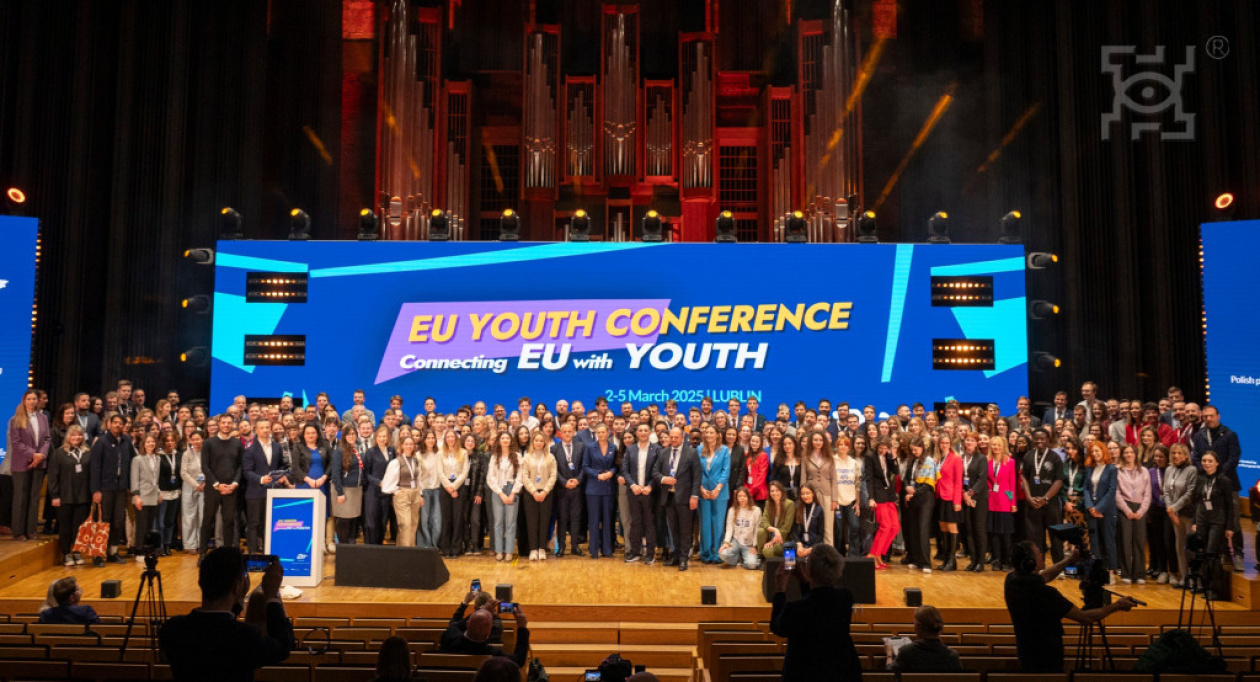
The beautiful city of Lublin recently hosted an inspiring Youth Conference from 2 to 5 March 2025, where over 300 young participants from nearly 40 countries and all sorts of different backgrounds gathered to discuss, debate, and dream about the future they want to build.
From the very start, the focus was on the need for young Europeans to be informed and engaged citizens. The EU Youth Conference was a vital platform where young people can voice their ambitions and concerns, and drive meaningful change. The urgency of the moment was evident – we must tackle pressing issues head-on, investing in education and youth policies to create a Europe that is secure, united, and resilient.
An exciting opening
Glenn Micallef, European Commissioner for Intergenerational Fairness, Youth, Culture and Sport, condemned the Russian invasion and emphasised the importance of the EU Youth Dialogue in fostering participation. Magdalena Sobkowiak-Czarnecka, Undersecretary of State in the European Union Affairs Division, stressed the Polish presidency’s motto, discussed the impact of social media and AI on young people, and encouraged them to follow their dreams. Rareș Voicu, President of the European Youth Forum, called for increased funding for youth programmes. Hanna Miśniakiewicz, Poland's Youth Delegate to the UN, highlighted the challenges faced by young people, urging authenticity.
The working groups
Throughout the Conference, the participants were divided into 10 parallel working groups to discuss and shape their recommendations on 5 theme areas. The workshops aimed to address significant issues affecting youth in the EU and beyond, focusing on how they could actively shape policies and promote unity.
Working Group #1: You and EU Values
- Participants discussed how universal and EU values could shape a shared European identity for young people. They explored whether ongoing crises like migration or climate change challenged or redefined Europe's unity and assessed if EU youth programmes such as Erasmus+ adequately fostered youth-led diplomacy.
Working Group #2: You and your safety in the EU
- Participants explored perceptions of safety in Europe, key threats to EU security, and their impact on youth mental health. Discussions focused on fostering resilience and using programs like Erasmus+ to build a secure, united Europe.
Working Group #3: You in a digital world
- Participants assessed Europe's readiness to face digital challenges and whether young digital natives were prepared for issues like fake news and cyber-attacks. It discussed how youth could contribute to creating empowering digital policies.
Working Group #4: You and your voice in the EU
- Participants focused on how young people could influence EU actions and address the democratic deficit through better engagement. The discussion covered making youth mechanisms more accessible and enhancing participation in EU decision-making.
Working Group #5: Youth Dialogue – Best practices, case studies
- Participants examined how National Working Groups for Youth Dialogue were functioning across countries. They discussed funding, organisational support, and how young people could actively shape these dialogues to address their evolving needs.
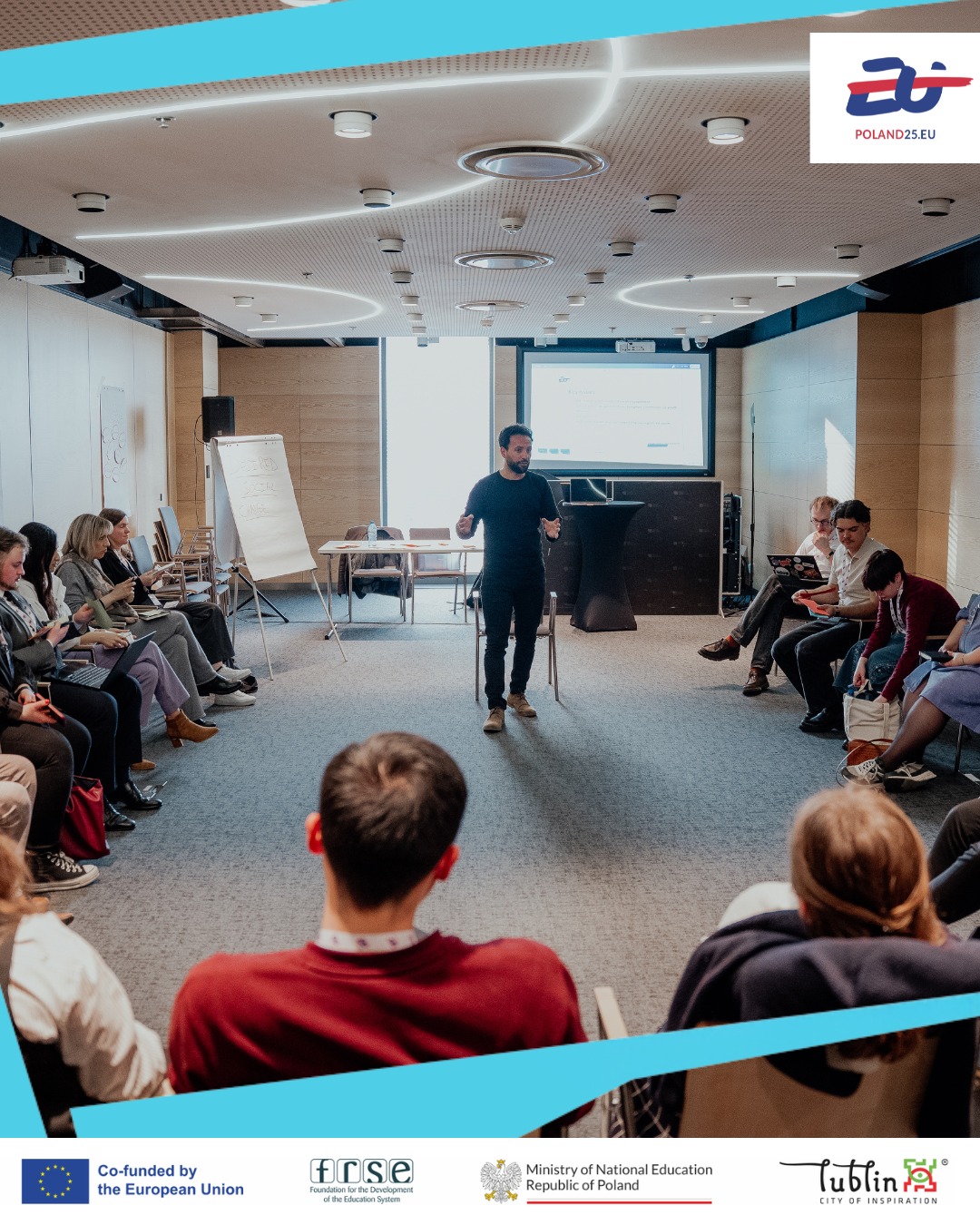
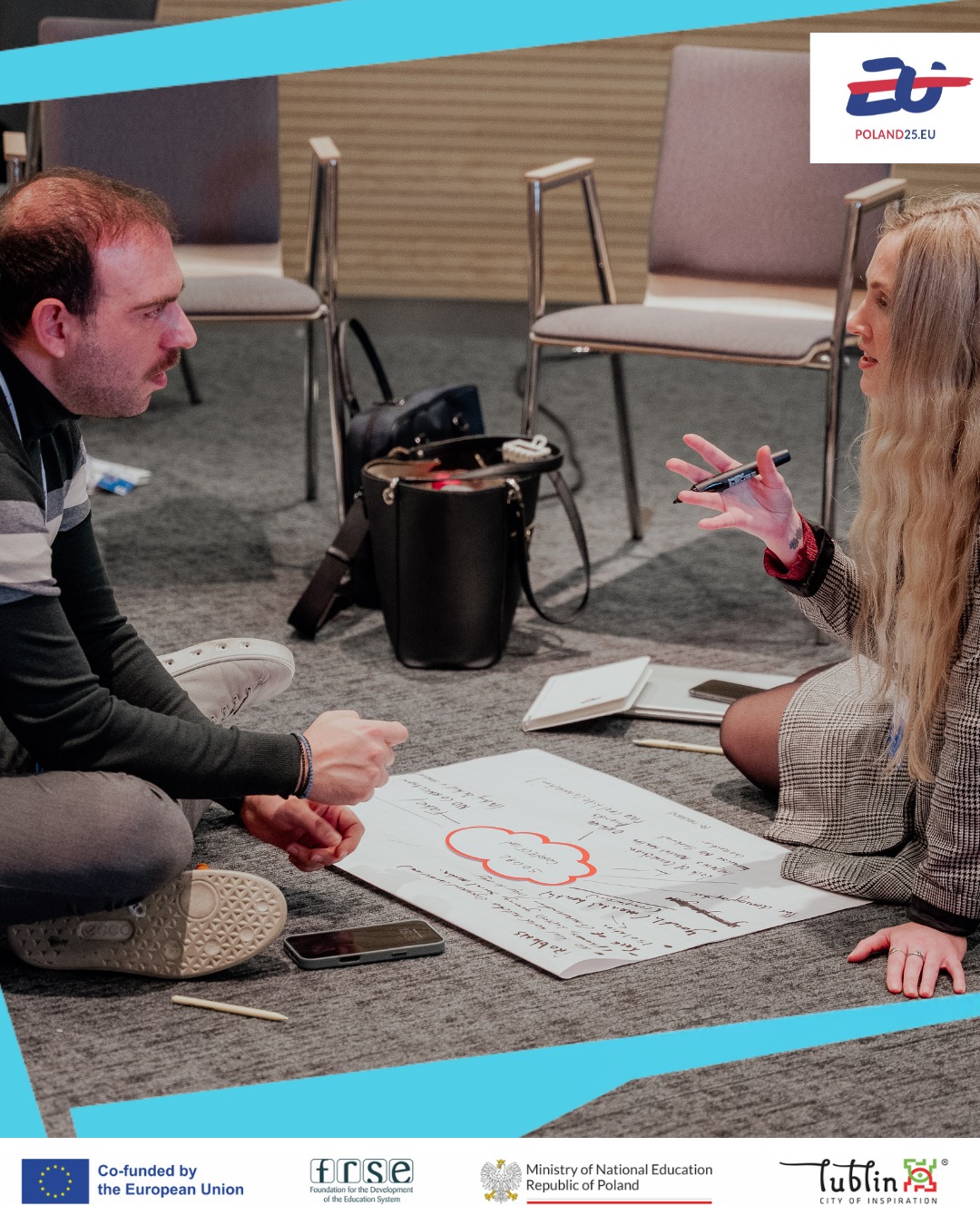
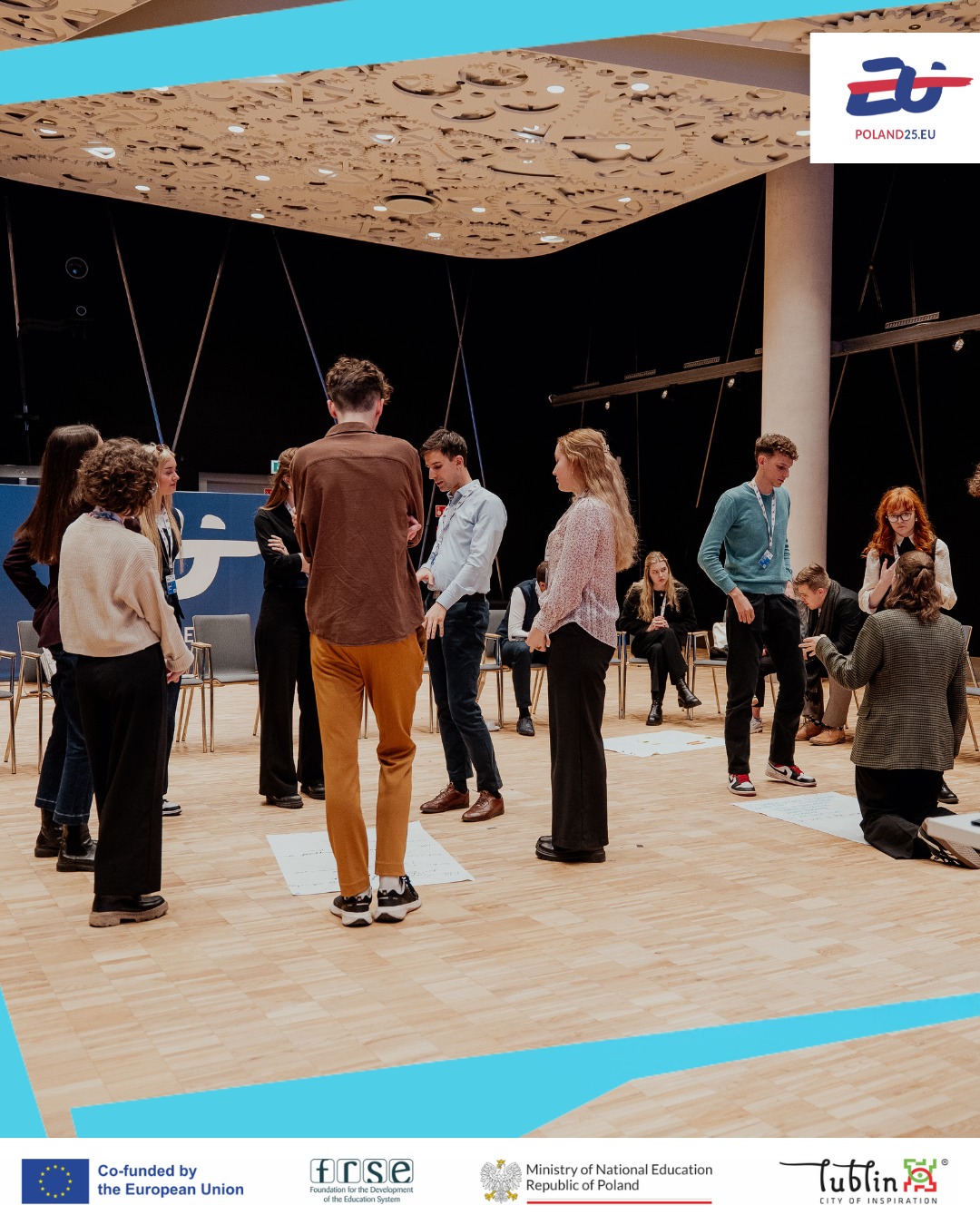
Young delegates are discussing their ideas in the working groups
What will happen to the recommendations?
The EU Youth Conference in Lublin started discussions and gathered ideas from young participants. The next conference in Copenhagen will refine these ideas and recommendations, and the final conference in Cyprus will finalise them. In the end, the recommendations will be presented to the Council of the European Union, which will include them in the Council Conclusions.
The Lublin Youth Conference was a powerful reminder that young Europeans are not just the leaders of tomorrow -they are the leaders of today. Their energy, ideas, and determination will shape a dynamic, inclusive, and peaceful Europe. Young people should not copy current politicians but find their own way. It's time to listen, support, and act on the visions of young people. The future is theirs to build, and they're ready to take charge.
Stay tuned for the Conference’s report.
Do you want to get involved in the EU Youth Dialogue? Check out the article.
The next EU Youth Conference will take place from 21-23 September 2025 in Copenhagen!
See you there!
Written by Eurodesk Brussels Link