

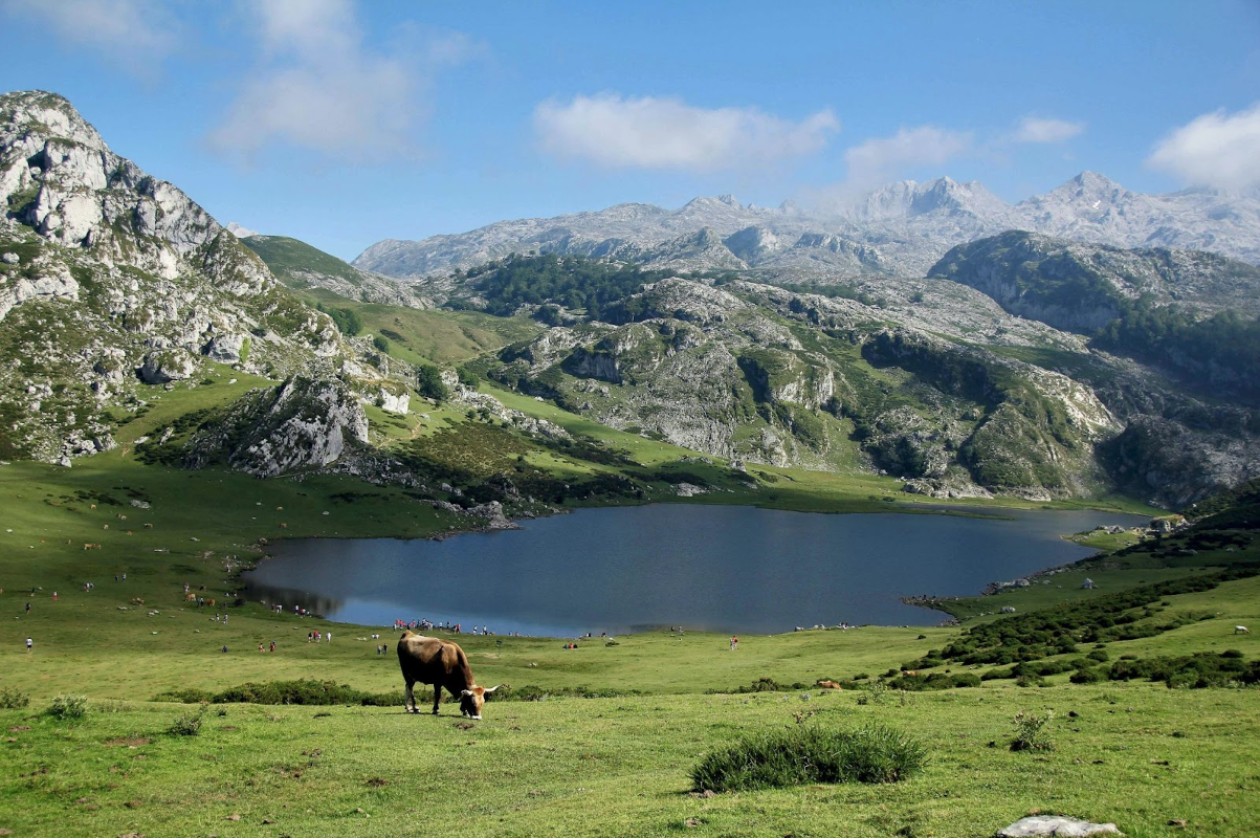
 ©Photo by Pixabay from Pexels 2024
Tips and Opportunities to Explore European Nature
Last updated on Thursday, 12/12/2024
Did you know the European Union hosts the largest network of protected areas in the world?
Natura 2000 is a network of over 27,000 protected nature sites across the EU. These sites reflect Europe’s diverse wildlife and habitats, which not only protects endangered species but by maintaining these ecosystems, there are plenty of benefits for the people and economy alike. Engaging in travel, whether through EU programmes or personal exploration, gives you the chance to learn from nature and interact with all it has to offer.
What can you do in nature?
There are plenty of activities and opportunities available to get out there.
Camping, whether done solo or with a group of friends, allows you to get up close and personal with nature, also giving you a chance to flex those survival skills. Although it’s important to keep in mind that you cannot spontaneously just set up camp anywhere. Designated camping zones are the way to go when planning your trip.
If you’re in the mood for wild camping outside of designated areas, this is of course an option too; although it’s necessary to keep in mind where in the EU this practice is considered legal. Wild camping in countries such as Germany, France, Bulgaria and the Czech Republic may result in being required to pay a fine. The rules are a bit complicated so read up on what is and isn’t allowed before planning your wild camping trip.
You can also participate in other physical, outdoor activities depending on what’s offered where you’re going. Swimming, rock climbing, hiking and cycling are all options for staying active. Researching sites beforehand is also helpful in knowing what activities you can do and planning ahead for the kind of equipment you would need to bring along on your trip.
Take the chance to visit new places
- DiscoverEU
- DiscoverEU is an EU initiative targeted towards young people aged 18 years old. It provides selected participants with an interrail travel pass allowing them to explore the diversity of Europe.
The initiative offers some route options to help you get inspired when planning your trip. Take a look at The Feel Good Route, which is themed around different types of well-being including stops advantageous for biking or running and getting in touch with nature.
- DiscoverEU is an EU initiative targeted towards young people aged 18 years old. It provides selected participants with an interrail travel pass allowing them to explore the diversity of Europe.
- European Solidarity Corps
- The European Solidarity Corps (ESC) is a European Union-funded programme open to young people aged 18-30 (35 for Humanitarian Aid). Solidarity projects present financed opportunities for participants to volunteer, ranging from helping disadvantaged communities to contributing to environmental actions.
Plenty of solidarity projects allow participants to explore new parts of European nature while contributing their time to volunteering. Building experience through volunteering and spending time in nature are great ways to get involved, and the Corps provides an invaluable experience to do so.
- The European Solidarity Corps (ESC) is a European Union-funded programme open to young people aged 18-30 (35 for Humanitarian Aid). Solidarity projects present financed opportunities for participants to volunteer, ranging from helping disadvantaged communities to contributing to environmental actions.
- Visit the winning cities of the 2025 European Green Cities Awards
- Every year, the European Commission recognises and rewards cities that are leading the way towards a greener, more sustainable future. These winning cities are actively involving their citizens in that transition, improving urban environments, combating pollution, and building resilience to climate change. A greener city is a place that attracts investors, tourists, and offers a higher quality of life for its residents.
Vilnius (Lithuania) will hold the title of 2025 European Green Capital, while Viladecans (Spain) and Treviso (Italy) will be recognised as European Green Leaf 2025 cities. But the journey towards sustainability doesn't stop there. Many cities have earned this prestigious title in recent years. Explore this map and discover these inspiring destinations.
- Every year, the European Commission recognises and rewards cities that are leading the way towards a greener, more sustainable future. These winning cities are actively involving their citizens in that transition, improving urban environments, combating pollution, and building resilience to climate change. A greener city is a place that attracts investors, tourists, and offers a higher quality of life for its residents.
Nature etiquette: being mindful and respecting your surroundings
Getting out in nature also means coming into contact with some of Europe’s diverse wildlife. Depending on where you go, you can encounter all kinds of exotic birds and four-legged mammals such as deer and, although uncommon, wolves.
When going out into nature for camping, exploring or engaging in any kind of sport or physical activity, it’s important to respect the wildlife and greenery around you. Here are some tips for staying mindful in your interactions with the environment:
- Observe from a distance: Curious about European wildlife? It’s best to observe animals from a safe distance so as to ensure their safety and yours; so of course avoid feeding and approaching any wild animal. Bringing along a pair of binoculars helps you observe the wildlife without intruding on their habitats.
- Leave no trace: Bring along reusable water bottles, utensils and food containers. Keep a personal waste bag with you to dispose of food scraps and other disposable items, to not disrupt local ecosystems. Get familiar with local recycling rules and sites where you can properly dispose of your waste.
- Stay on designated trails: Avoid trampling plants by sticking to marked trails. Following these paths also prevents you from accidentally trespassing on private property.
- Be mindful of fire risks: Making open fires may be restricted in some areas for the risks they pose. Bringing a portable gas stove is a great way to circumvent this problem, but of course, be sure you know how to use it properly. Additionally, this is helpful if weather conditions are wet or cold.
- Avoid picking plants: Leave wildflowers and plants as they are for others to enjoy and for the benefit of the ecosystem.
- Be considerate of noise: Keep noise levels low to avoid disturbing others who may also be trying to enjoy nature.
- Shared Transportation: Reduce your carbon footprint by carpooling, using public transport, or biking to your destination.
Are you inspired to plan your next trip outdoors? Check out the Eurodesk guide on How to Become an Eco-Traveller to learn how to minimise your environmental impact with a recommended packing list, accommodation options, and mindful habits and routines to help you make a difference.
Written by Eurodesk Brussels Link
Resources
Wild camping in Europe – everything you need to know
Wild camping in Europe: where it’s allowed and where not
LIFE: uniting nature lovers and farmers in a common cause
About the Awards