

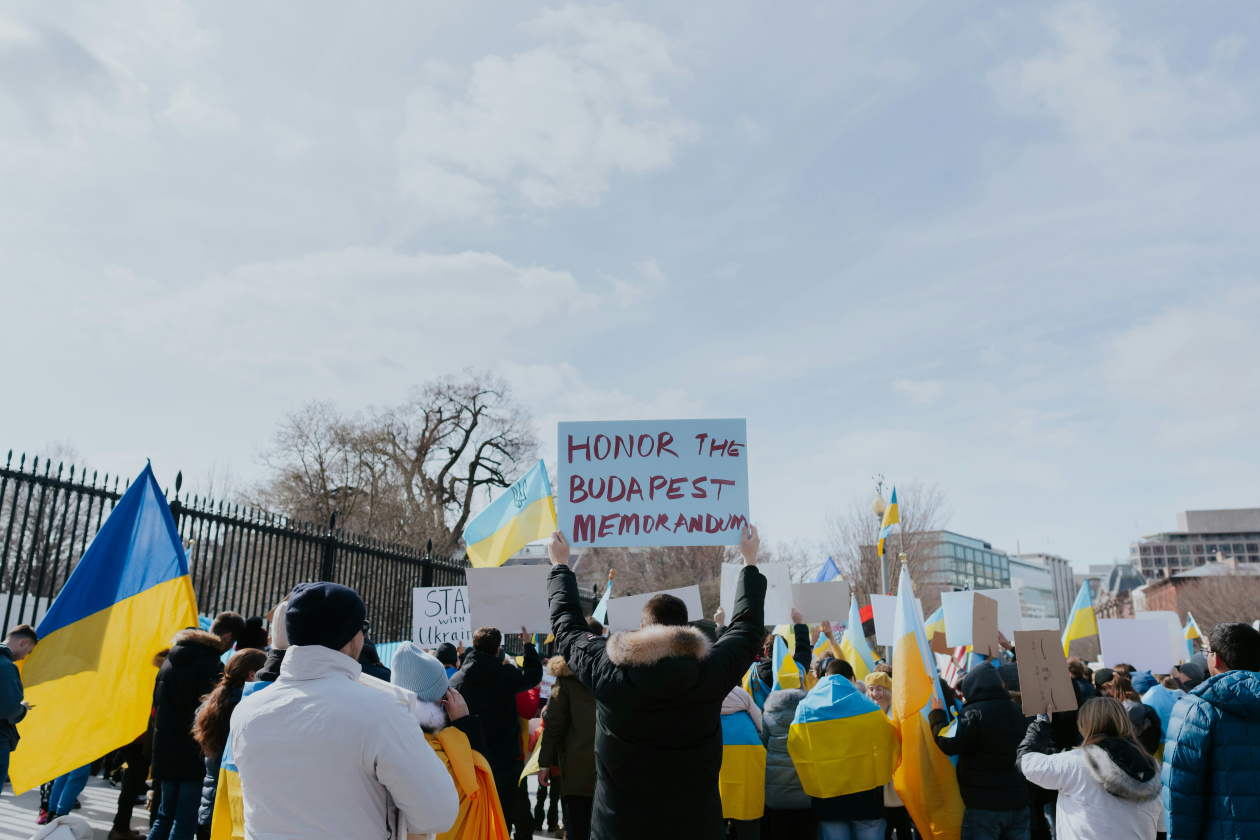
 Photo by Yohan Marion, from Unsplash
Is the veto holding the EU back?
Last updated on Tuesday, 02/06/2026
To be credible and powerful in a world where no one’s really in charge, the European Union must have a unified approach that is coherent, independent, and dignified. Let’s see clear examples of how we’ve been failing at that – and how we can do better.
We, the EU - we lack a unified approach to defence, we lack coherent stances in foreign policy, we’re not independent on energy, and our policies on migration fail to respect human dignity. The magnitude of these challenges is such that the previous adjectives are interchangeable. As someone keen on European affairs, I used to ask when the EU would be independent, united and do what, from my perspective, is the right thing? Since Trump took office for the second time, the only acceptable answer is “now!”.
Regarding a unified approach
No other democracy refrains from making decisions just because some disagree with them. We study, debate, and vote, whether it’s by simple majority or qualified majority voting. It’s time we get rid of veto power in the European Council, where so often individual States blackmail all others in important matters, just so they can continue unaccountable for embarrassing European and democratic values, and cracking down on the civil rights of their citizens.
Referring to Hungary, Belgium's Foreign Minister Hadja Lahbib said that "We cannot accept that a single country”, by using its veto power, “is now blocking this crucial aid for Ukraine".
What would coherence look like?
Perhaps it would look like following understandable principles, such as upholding the respect for International Law, rather than allowing for contradictory decisions.
On matters of commerce and sanctions, for example, we must consider not only the Russian War in Ukraine but also the hostilities of Azerbaijan against Armenia and Israel against Palestine. Will the EU choose its values, namely those laid in Article 2 of the Treaty of the European Union (TEU), such as the rule of Law and human dignity, over its geopolitics and Member States' national interests, or will the latter prove too persuasive?
Finally, with the rise of far-right parties in many Member States, it’s now questionable if the EU will remain "stronger in diversity" (the EU’s slogan since the year 2000) even on paper, but the effects of anti-immigration policies and rhetoric are already strongly felt by those targeted by them.
As far as independence goes
It's dangerous not to have a backup plan, especially after trusting the U.S. too much with our foreign policy and defence. So that Ukraine’s future is decided with Ukrainians, and to reassure Denmark despite Trump’s comments about Greenland, it’s important that most people finally realise that we need more European cooperation. We need to speak with one voice, strengthen our Rapid Deployment Capacity, and work towards integrated defence spending (the recently proposed ReArm Europe Plan is a very small step in the right direction) and armed forces. On another note, independence also means being capable of defending our democracies from external interference, be it Elon Musk’s support for the AfD, or Vladimir Putin’s fake climate activist attacks.
To transform ourselves, we first need to reform
The first step is to remember what brought us together: the challenges of our time are bigger than any country alone, so we must put nationalist egoism aside and be a European Union in fact, not only in name. For that, an EU treaty reform that includes the end of veto power in the Council of the European Union is essential, and all ideas that strengthen European Democracy must be on the table, such as transnational lists for the European elections, as once the Parliament approved, but the Council struck them down. Such lists would make these elections really European, instead of the current system, in which we have 27 national elections for the Parliament, and provide more certainty about who’s trying to become President of the Commission. Is it likely we’ll have such reform in the short term? Not quite, since these require the unanimity we so lack. But a quick fix to Hungary’s deadlocks on security matters is being suggested by MEPs on the left and centre: to take away their veto power, through the Article 7 clause, if no other Member State opposes.
It's hard to talk about dignity
The European Union carries with it the legacy of some of the world's most brutal colonial powers, such as Belgium, the Netherlands, France, Germany, Italy, Spain, Portugal, and, until not long ago, the United Kingdom. Some have apologised for their past, some have paid reparations and returned artefacts, while others haven't. But what justice has truly been done? And what justice will ever be done to the victims of today, in Nagorno-Karabakh, Gaza, and Lebanon, if we keep business as usual with their aggressors? What justice to the child labour victims of our noble pursuit of carbon neutrality, being exploited in cobalt mines on their land, but not for their benefit?
Photo by Gerd Altmann, from Pixabay
This, and other examples of neocolonialism, overexploitation of peoples and the Earth's resources, as well as the failure to deal with migration in a humane way in the South of Europe, make it extremely hard to talk about dignity, acting well, and aspiring to be on the right side of history.
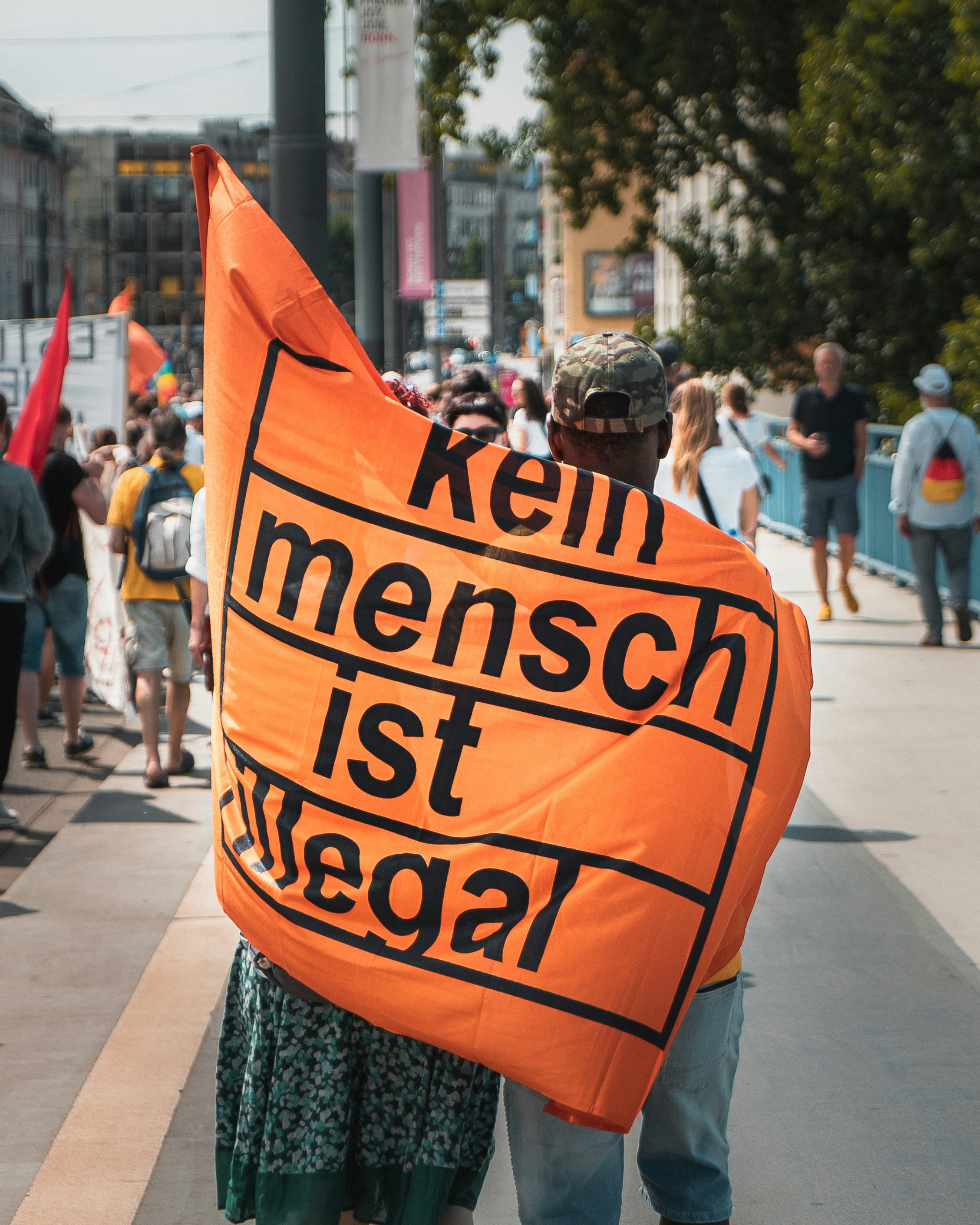
Photo by Mika Baumeister, from Unsplash
Is there an answer?
Will we be able to stay out of doomerism while politicians legislate out of their feelings for their ponies, or out of the interest of powerful lobbies? While the far-right climbs into power in Europe once again? Will technologies replace humanity not only in the workplace but everywhere?
Hopefully, yes. Hopefully, a more united Europe will be able to rise to the occasion, riled up in passion for democracy, human rights, and justice, which are now in more danger than ever in EU history. Without taking orders from those who don’t have our interests at heart. And maybe we'll be able to act together, and well. Quickly.
_______________
Young Journalists in Europe - Meet the author
Guilherme Alexandre Jorge (Lexi)
“You can call me Lexi. I'm navigating Law, Consulting, Journalism and Politics. When not promoting a European Federation or participating in Erasmus+ projects, I may be found reading, working out, writing poetry or making dad jokes. And I'm a swiftie. I like to write about things I believe we can fix together. And together we can fix almost everything.”
Article collaborator: Ángela Garrido Rivera
This article reflects the views of the authors only. The European Commission and Eurodesk cannot be held responsible for it.