

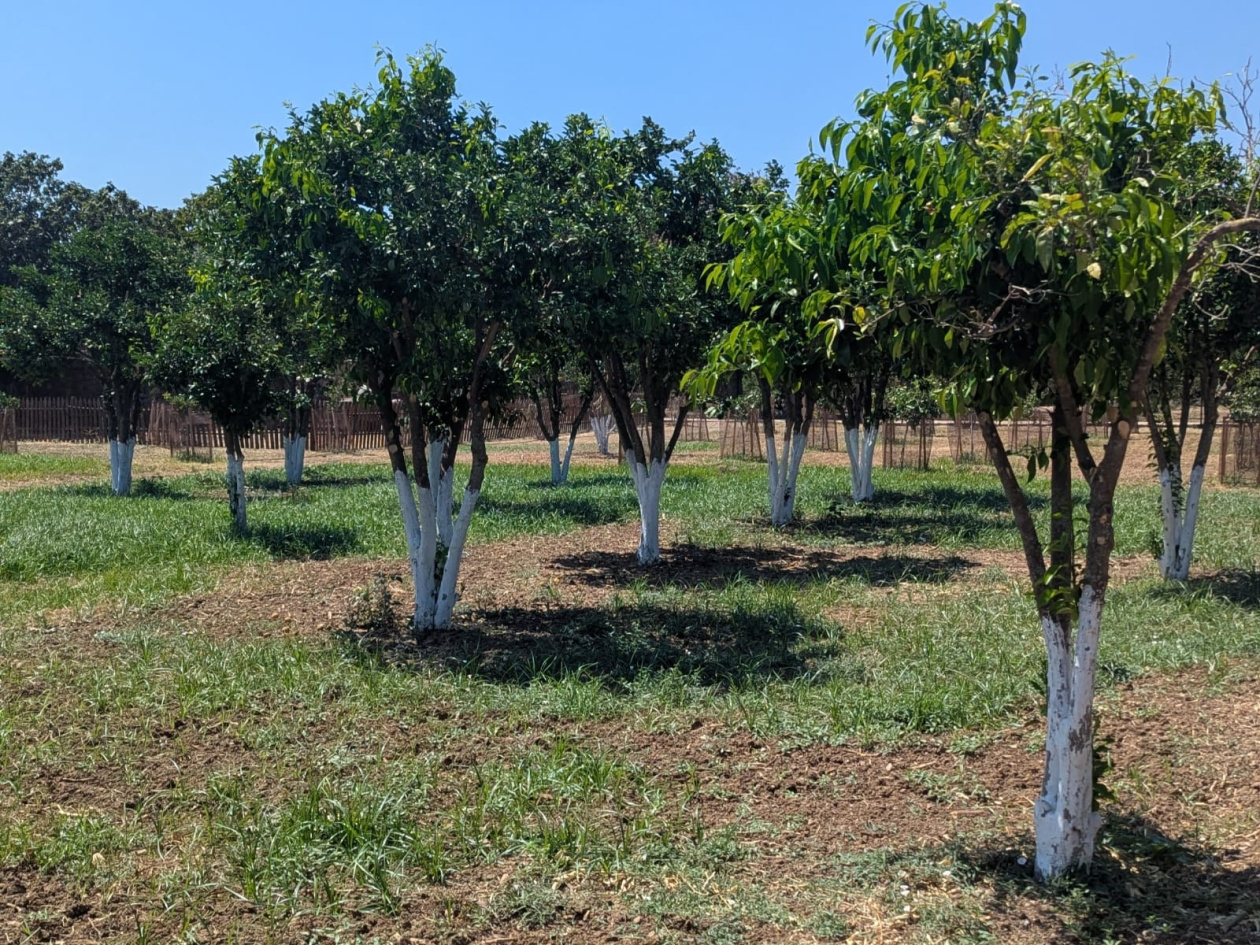
 Image by Filippos Vasilikos
Young farmers, old fields: Why Europe’s agriculture needs a new generation
Last updated on Monday, 09/02/2026
What happens to the countryside when its young people leave?
Across Europe, the fields grow quiet as if holding their breath, villages empty by degrees, and the future of our food supply becomes a question rather than a certainty. The numbers alone tell a story that feels almost unreal. The average farmer in the world is around sixty years old, and young people under twenty-four make up only about two per cent of those who work the land.
To understand what this means beyond statistics, I spoke with Filippos Vasilikos, a Greek researcher of sustainable agriculture whom I first met during our studies in Italy. His work now centres on agricultural insurance in the wine sector and on the broader economic policies that guide farming across the European Union. He grew up between Athens and the island of Chios, a place shaped by citrus groves and long traditions of cultivation, and he has seen how farming nourishes more than bodies. It sustains memory, community, and the slow, patient rhythm of rural life itself.
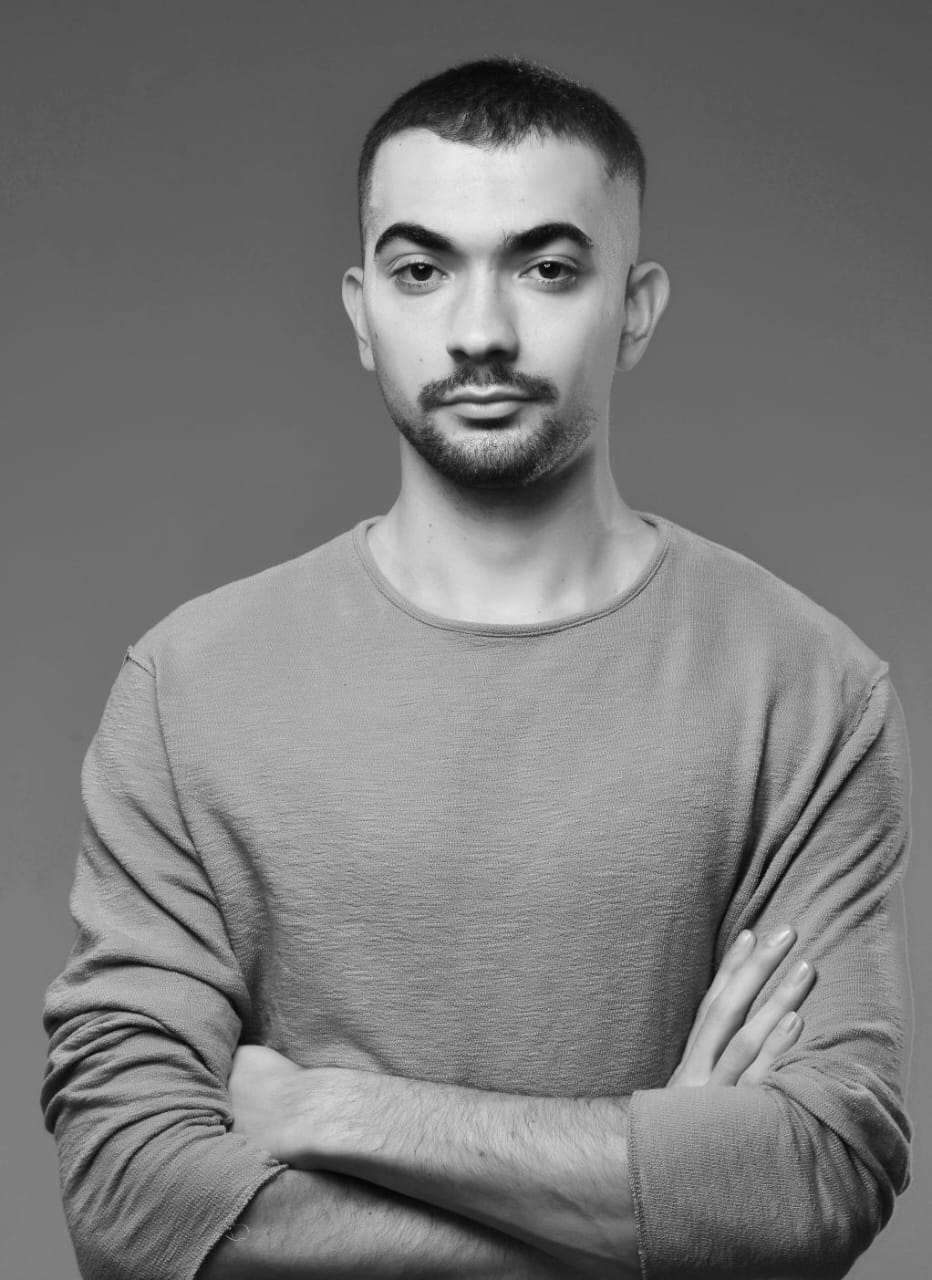
Filippos Vasilikos
Video-call interview, later transcribed and edited.
Oliver: To start, could you introduce yourself? Where do you come from, and how did you end up interested in agriculture?
Filippos: Hi, I’m Filippos Vasilikos, and I’m from Greece. I grew up mainly in Athens, but my family is originally from the island of Chios, which is quite important for Greek agriculture.
I actually didn’t come from a farming family at all. I studied Biology for my bachelor’s degree, and during that time, I had a course called Sustainable Agriculture. Before that, I honestly thought agriculture was just about “growing food, that’s it”. But through that course – and later my master’s in sustainable agriculture in Italy – I realised it’s way more than that.
Agriculture is really the backbone of everything: it’s economics, politics, environmental protection, health, food security, even culture and community life. One of the reasons the EU was created was to build a common agricultural policy. So for me, agriculture became the centre of all these issues I care about.
Oliver: You mentioned your home island, Chios. How important is agriculture there, and how is it changing?
Filippos: Chios is a very traditional agricultural island. It’s famous for its PDO products – that means Protected Designation of Origin, products that can only be produced in a specific area and in a specific way.
In Chios, we have traditional citrus orchards, especially PDO mandarins, and also a very unique crop called mastiha.
Over the years, though, I’ve seen agriculture there slowly diminishing. The traditional methods are still used, but most of the people working in the fields are older. Young people are leaving the island to study or work in big cities. The result is that agriculture there looks, in a way, “stuck in the past” and is struggling to compete in a global market.
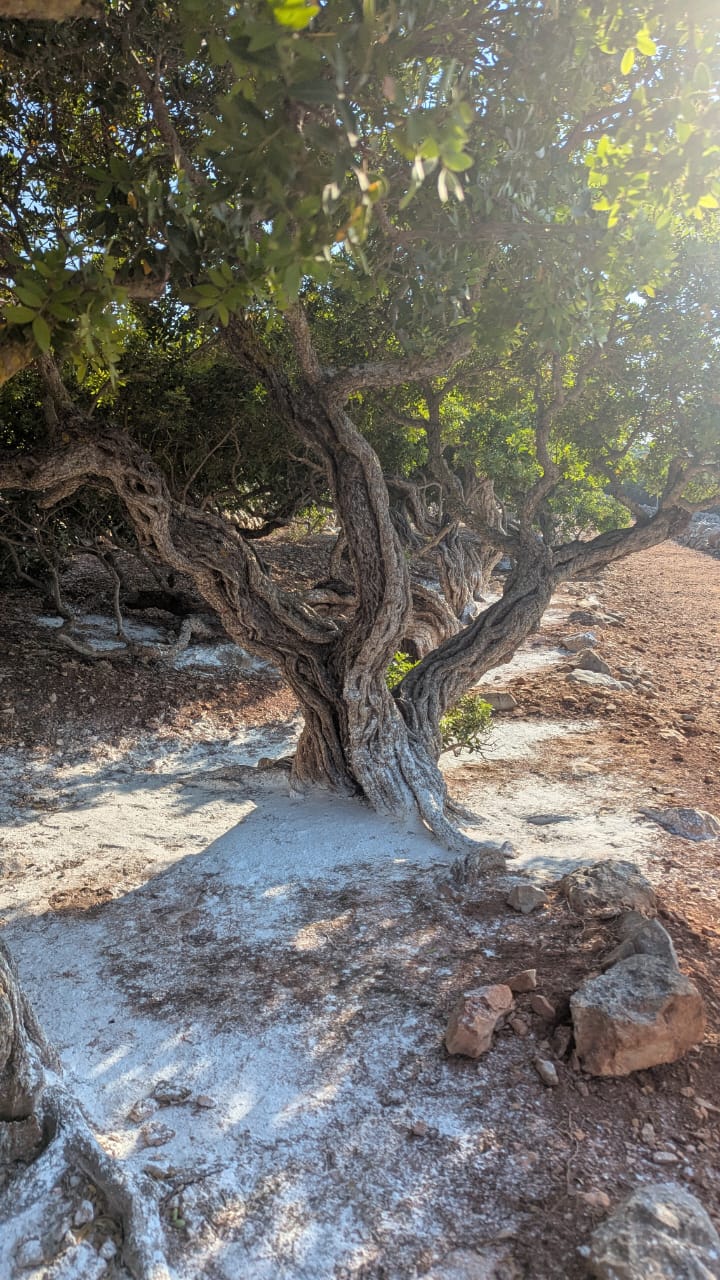
Mastiha tree from Chios, Greece .Photo by: F.Vasilikos
Oliver: That connects to the main topic I wanted to discuss today: the ageing farming crisis. What is it, in simple terms?
Filippos: The numbers are quite shocking. The average age of farmers worldwide is around 60. Young people – let’s say 24 and under – make up only about 2% of farm workers. And when you look at who owns the land, it’s similar: only about 12% of farm holdings in the EU are managed by people under 40. That means 88% of farms are in the hands of people over 40. So when we talk about an ageing farming crisis, that’s what we mean: there is very little new generation entering agriculture.
Oliver: Why is that such a big problem? Why should someone living in a city care?
Filippos: There are several levels to this.
First, it’s very hard for young people to enter agriculture. Land is much more expensive than it used to be. If you don’t have a family farm, buying land, machinery, fertilizers and other inputs requires a huge amount of money. On top of that, because of climate change, farming has become a high-risk, low-reward job. You invest a lot, but you’re never sure you’ll get it back.
Second, there is rural depopulation. Farms are usually in rural areas. If there are no farmers, there’s no local economy, no community life, and eventually villages die out.
Third, for people in cities, the key issue is food security. If many farms are abandoned, countries become more dependent on imports. This makes them more vulnerable to global shocks. We saw it clearly with the war in Ukraine: supply chains collapsed, prices for products like flour went up a lot, and energy costs increased too. Many things – including biofuels – depend on crops.
So in the end, fewer farmers also means less stability and higher prices for everyone.
Oliver: You’ve travelled quite a bit and studied agriculture in different countries. How does the situation differ across the EU?
Filippos: One really interesting thing I noticed is the contrast between countries like the Netherlands, Germany, France and countries like Greece, Portugal, Bulgaria, and Poland.
The Netherlands, for example, is a small country, but it’s one of the biggest exporters of agricultural products in the EU. Germany and France are also huge producers. At the same time, these three have relatively few people working in agriculture. On the other hand, countries like Greece, Bulgaria or Poland have more people employed in agriculture, but they produce less.
The main reasons are:
- Countries like the Netherlands, Germany and France invest heavily in research, technology, subsidies and farm infrastructure.
- Germany and France have larger, more continuous arable land (that is good for growing crops), which makes mechanisation easier.
- In countries like Greece or Portugal, the terrain is fragmented – one farmer might have small plots spread over kilometres. That makes mechanisation and efficiency much harder, and governments often invest less in agriculture.
So it’s not just about how many people work on the land – it’s about how they work and what support they get.
Oliver: Earlier this year, we saw big farmer protests across the EU, including massive ones in Brussels. For someone who just saw tractors blocking roads, what were these protests really about?
Filippos: Agriculture has become extremely stressful. Farmers face high risks and rising costs – for energy, fertilisers, fuel, everything. But the prices they get for their products don’t rise in the same way.
The farmers were demanding things like:
- Lower costs for energy, fertilisers, and fuel.
- More stable and predictable policies from the EU, because agricultural policies change often, and farmers struggle to keep up.
- And more realistic expectations: for example, the EU wants to reduce pesticide and fertiliser use and cut emissions, but still expects the same amount of food to be produced. Without strong support and investment in innovation, that’s almost impossible, especially for small and medium farmers.
So the protests were basically a cry for fair conditions, not just resistance to change.
Oliver: Let’s imagine nothing changes – no new young farmers, no major reforms. What do you think European agriculture looks like in ten years?
Filippos: I fear that we’ll see: Fewer family farms and more monopolies – large companies owning and controlling huge areas of land. These big corporations usually care less about sustainability and fair wages than small family farms. With more monopoly power, they can set prices, which probably means higher food prices. The EU will likely import more food from less developed countries, where agriculture forms a much higher share of GDP and is often less regulated. That can mean more exploitation, environmental damage, and again more vulnerability to global crises. So in short, without change, we risk losing sustainable local farming, increasing inequalities, and paying more for less secure food systems.
Oliver: What about the human side? You mentioned farmers on your island. Was there a particular moment when this crisis became very real for you?
Filippos: Yes. One moment that really stayed with me was when I visited the mandarin orchards on Chios – these traditional PDO citrus groves.
I spoke to an older farmer there who grows mandarins. You could hear in his voice that he felt almost hopeless. He had no one to pass the farm to, no real support, and he was facing climate impacts, market pressures, and low prices. I realised that if he gives up, it’s not just a business closing. It means losing a piece of culture, of local identity, of community life. Parts of the island that I know now might simply disappear, except in the memories of people like me. That was when the ageing farming crisis stopped being an abstract statistic and became very personal.
Oliver: Let’s talk about solutions. What should the EU, national governments, or even local communities do to attract more young people into agriculture?
Filippos: I think there are three main things.
First, economic support: the EU has already started offering subsidies and special programmes for young farmers – giving them land, financial help, or training. This is really important and should be expanded.
Second, education and awareness: many young people see agriculture as an “old-fashioned” job. We should show them the beauty and importance of agriculture, and the potential of new technologies, data, and innovation. It’s not just “working in the mud”; it can be very scientific, creative and impactful.
Third, stable and clear policies: if rules change every few years, it’s very risky to invest your whole life in a farm. Young people need a sense of security and a clear long-term vision from policymakers.
Oliver: You’ve lived in Athens and on an island. If conditions were better – good income, real rural life, a strong community – would you personally consider being a farmer?
Filippos: Honestly, yes, I would.
But only if I knew that rural areas were not disappearing. Right now, many villages are emptying out. When rural areas die, you lose not only jobs but also traditions, local culture, and social life. If I could see that there is a future – that people will still live there, that services and communities will survive – then yes, I would definitely consider living and working in a rural area long-term.
Oliver: What role do you think young people specifically can play in transforming agriculture?
Filippos: Young people can bring innovation. Many older farmers are incredibly knowledgeable, but they often don’t have the tools, energy or incentive to change everything now.
Youth can introduce:
- New technologies – precision farming, data analysis, sensors, drones,
- More sustainable practices,
- New business models like cooperatives, direct selling, agro-tourism, etc.
It’s not about replacing traditions, but about modernising them in a smart way so that they can survive.
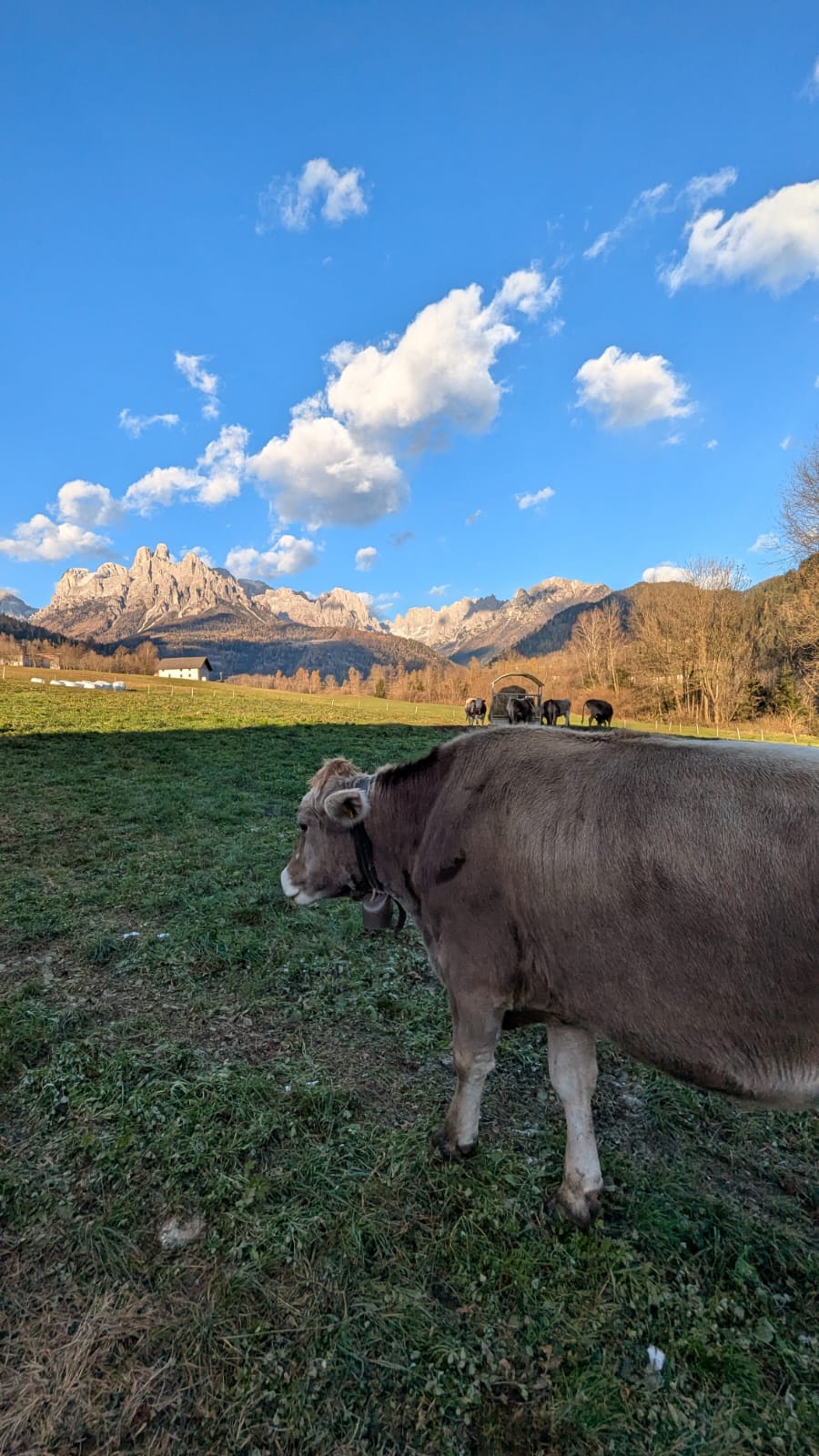
Lands in Mezzano, Italy - Photo by Filippos Vasilikos
Oliver: Imagine a young person reading this who’s never considered agriculture as a career. What would you say to them?
Filippos: I would say, just try it. Spend a few months doing something related to agriculture – an internship, a volunteering experience on a farm, or a traineeship abroad. Try to understand how the whole system works: from soil and crops to markets and policies. If you decide it’s not for you, that’s totally fine. But you might discover that you’re part of something much bigger. Because as a farmer, you’re not just producing food in isolation. What you do affects prices, availability, and food security for ordinary people. It shapes landscapes, communities, economies and even politics.
Oliver: And finally, what do you personally love most about agriculture?
Filippos: I love that feeling of being connected to something bigger than yourself. You might be working in one field, in one village, on one island – but what you grow, how you grow it, and how much you produce has an impact on everyone, from your neighbours to people in cities across the country. Agriculture is where everything starts. Realising that makes it, for me, one of the most meaningful things you can do.
Oliver: That’s a beautiful way to end. Filippos, thank you so much for the conversation – and let’s hope we’ll see more young people, and more innovation, in Europe’s fields in the years ahead.
Filippos: Thank you. I hope so too.
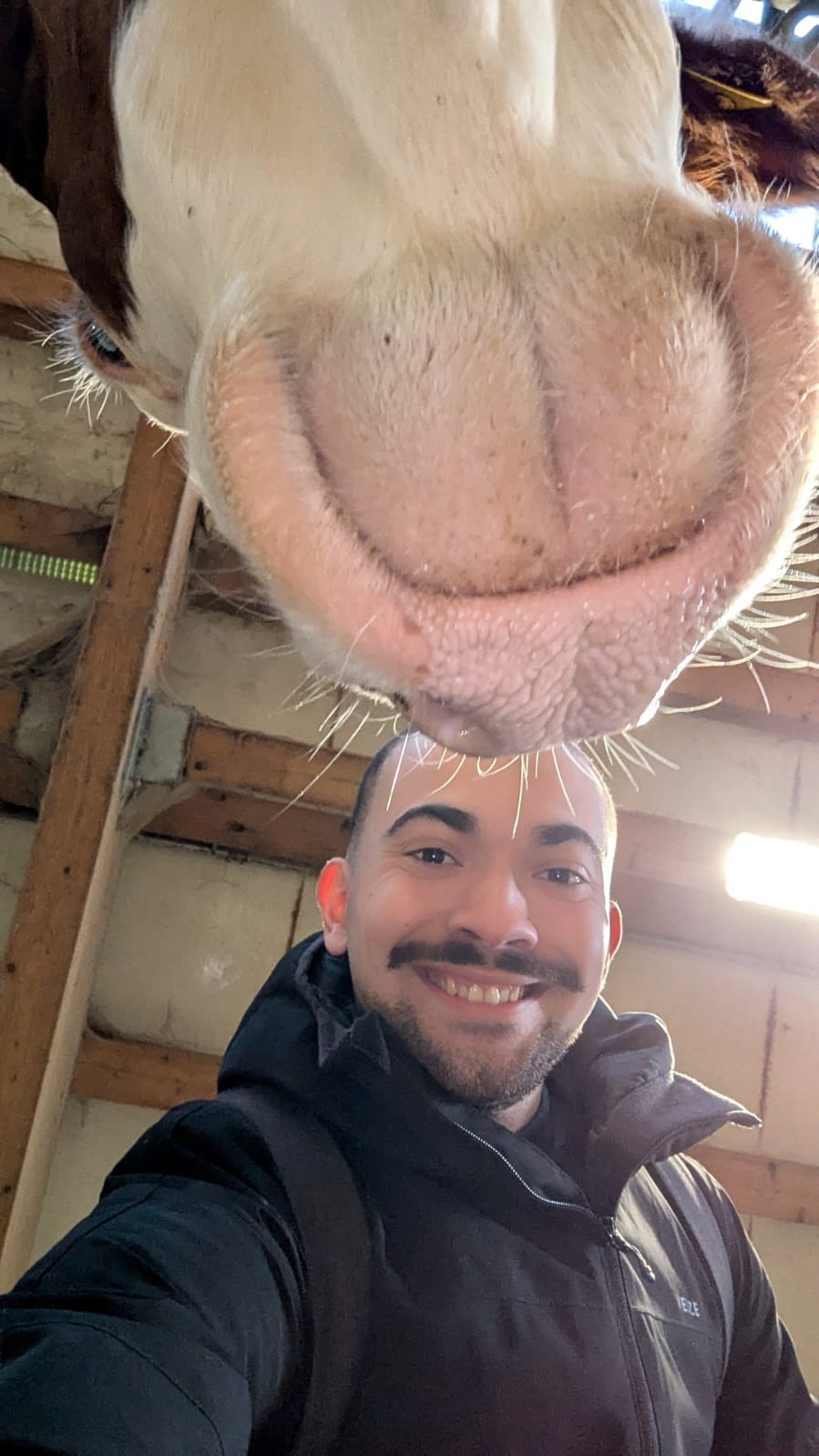
Photo by Filippos Vasilikos
Young Journalists in Europe - Meet the author
Oliver Čechmánek
My most impactful experiences include volunteering at a scout festival in North Macedonia and assisting at the Ukrainian border shortly after the invasion.
Article Collaborators: Friederike Kroeger, Alexandros Tsianakas, Guilherme Alexandre Jorge (Lexi)
This article reflects the views of the authors only. The European Commission and Eurodesk cannot be held responsible for it.