
20
Jun
2019
How can Erasmus+ Virtual Exchange impact the lives of ‘refugees’ ?

Bilal discovered Erasmus+ Virtual Exchange for the first time in 2018, and believes his participation in the project was “essential” for understanding his new hosting community. He was forced to leave his home in Homs, Syria, six years ago and is now rebuilding his life in Turkey. Virtual Exchange (technology-enabled people-to-people dialogues) gave him a chance to explain his personal experience to peers from Europe, away from any media bias.
The project also connected him to participants from other conflict areas that could not continue with their education and that had never met anyone from outside their country: “Erasmus+ Virtual Exchange is a unique opportunity for refugees and they deserve it”, he claims.
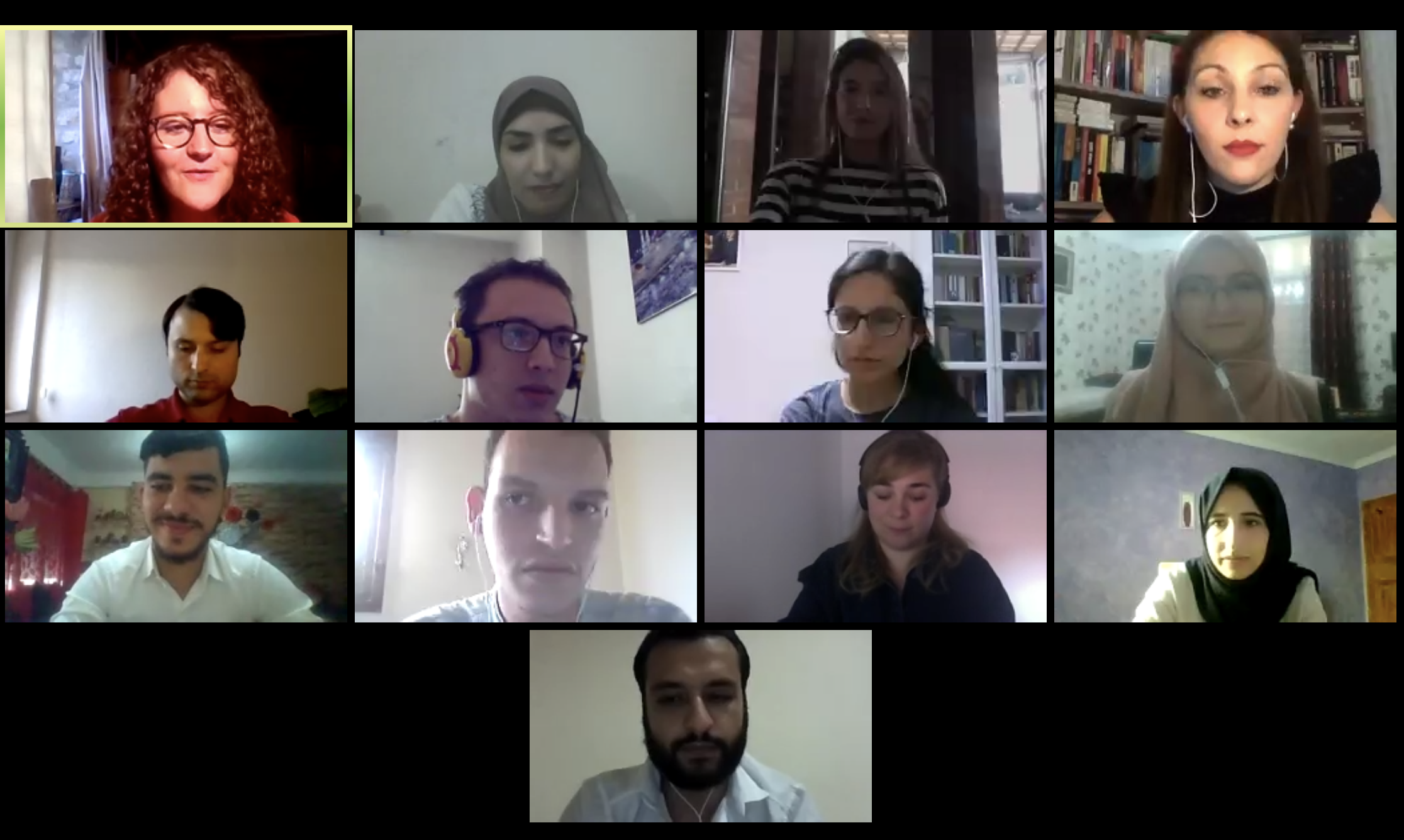
Bilal’s first Virtual Exchange activity was called “Refugees in Europe". This interactive course connected refugee and non-refugee youth from Europe and the Southern Mediterranean countries. Participants discussed the meaning of “citizenship”, talked about identity and societal challenges.
Bilal continued his involvement with Erasmus+ Virtual Exchange through the facilitation training and is currently an active online dialogue facilitator. “I am trying to spread the impact of Virtual Exchange in my local community and through my current work”.
Q. Do you feel the Virtual Exchange course you participated in helped raising awareness about ‘refugees'’ experiences?
A. The course made me realise how important it is for us, as Syrians and newcomers in Europe, to express ourselves. We need to tell our story and make others hear it from us and not from the media.
It is also essential to open communication channels with our new communities. This helps with our integration and understanding. However, in this course we also found common grounds to all of us: residents and refugees/newcomers. We agreed that nowadays, it is difficult to talk about different identities, as current migration waves are pushing us to build a common identity for all of us.
Q. Can you remember a specific moment that had an impact on you (or the group) during your participation?
A. I still remember when one of the participants said: “It’s the first time I am talking to a refugee, now I know they are like me. Media gave me a negative impression about them and this was affecting my relationship with them”. In that moment understood the impact of this project. It improves our critical thinking and provides skills to help us achieve (almost) the truth.
Q. Did you come in contact with participants that usually have limited access to education or intercultural experiences?
A. Many participants come from conflict areas, a lot of them were not able to leave their country so could not continue with their education. Also, some of them had never met people from other countries or cultures. Remember, conflicts like the one in Syria started nine years ago.
These participants were so excited to meet people from different backgrounds and to share their stories with them. I feel proud to be contributing to giving them access to a platform where they can express themselves and learn from others. However, there are still many vulnerable people living in refugee camps and conflict areas that will never have a chance to participate in projects like Erasmus+Virtual Exchange. We should work hard to provide them with internet access.
Q. What did you gain from participating in ‘Refugees in Europe’?
A. I gained knowledge, new relationships, friends, a new way of thinking.
Q. What can Virtual Exchange offer 'refugees'?
A. Refugees need platforms to understand what’s happening in the rest of the world and safe spaces to express themselves. Erasmus+ Virtual Exchange provides a window to intercultural exchanges, something that is not always accessible to refugees; it's a unique opportunity, and they deserve it.
Q. How did your participation in Erasmus+ Virtual Exchange impact you?
A. I gained self confidence. Now, I believe we can all contribute to promote a global change. Erasmus+ Virtual Exchange made me realise that the impact we can make in society is not related to where we come from or what kind of official paper/citizenship situation we have, but to the efforts we are willing make in learning and sharing experiences.