

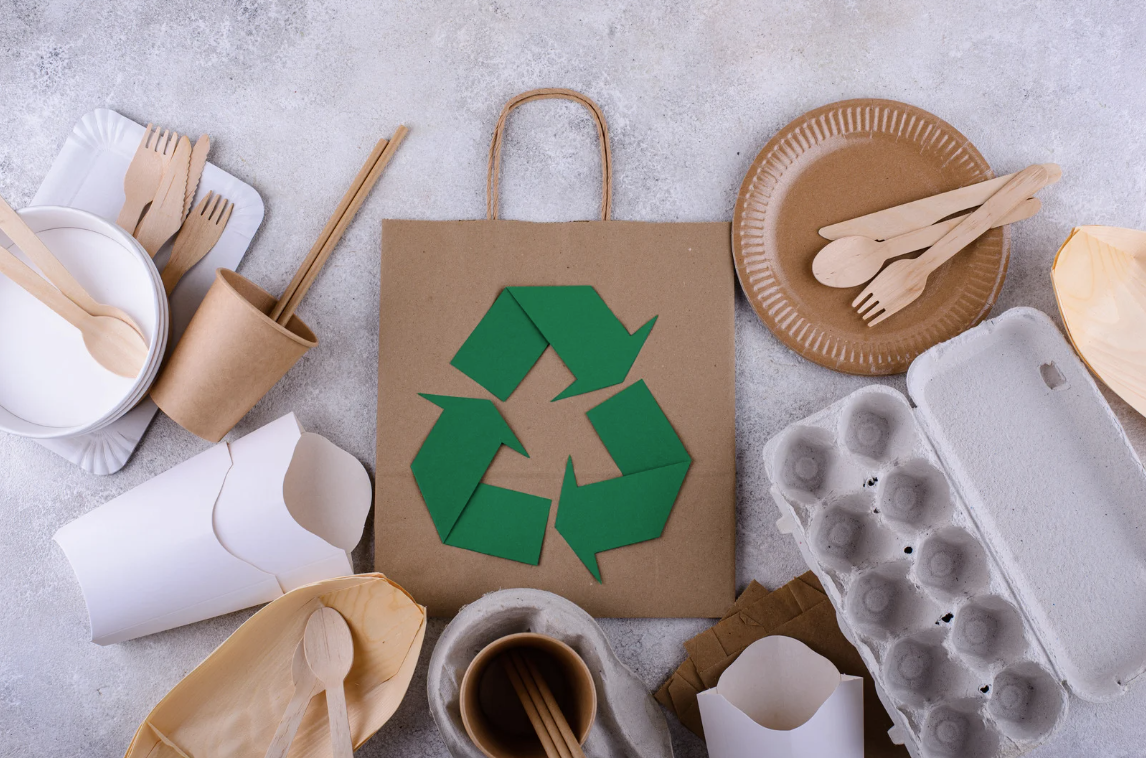
 ©Yuliya Furman from CANVA
How can you effectively manage the waste generated during your travels?
Última actualización Lunes, 15/09/2025
Young Europeans today are travelling more than ever before. There are more opportunities available to do so, such as youth exchanges, Erasmus+, DiscoverEU, European Solidarity Corps, traineeships, and so much more!
However, have you ever considered the impact of the waste you might leave behind during your adventures? Don’t worry! This article will offer you practical tips on how to explore the world while being mindful of your waste.
First of all, why should you care about your waste when you’re travelling? Well, did you know that tourists produce twice as much waste as locals? This might sound high, but recent data from the Italian National Institute for Environmental Protection and Research (ISPRA) confirmed the pressure that tourism places on local waste management.
It found that the indicator for tourisms impact on waste reached 15.7 kg per equivalent inhabitant, showing the burden that tourist flows place on local systems.
One effective way to manage your waste while travelling is to look for accommodations that have the EU Ecolabel, the Travel Sustainable badge, or certifications from organisations recognised by the Global Sustainable Tourism Council (GSTC).
These badges typically indicate sustainable practices such as waste reduction, energy efficiency, water conservation, and support for local businesses.
Another method in this case to reduce single-use plastic waste is to carry a reusable bag, water bottle, cutlery, bowls, a reusable coffee cup and a metal straw.
Furthermore, you always have the option to choose unpackaged snacks or to prepare your meals in reusable containers ahead of time. This practice can significantly reduce packaging waste.
One way to do this is by visiting local markets, which often offer a variety of whole foods. At these markets, you can find fresh fruits, vegetables, grains, and other unprocessed items that can be bought without excessive packaging.
When disposing of your trash, you should take a moment to locate the appropriate recycling bins, as recycling rules can vary between cities.
Some European countries and cities are particularly welcoming to eco-friendly travellers, including Germany, Austria, and Slovenia. These countries have advanced recycling systems and easy-to-follow public waste separation processes. All three countries boast some of the highest recycling rates in the European Union!
Finally, since we live in a digital world, consider downloading eco-friendly travel apps. These apps can help you track and reduce your travel emissions, provide alternative transportation options, and even offer tips on how to minimise waste!
By choosing to adopt sustainable options, as young people, you’ll be sending a clear message that eco-conscious choices matter. Unknowingly, you will encourage more young people to travel mindfully!
For more guidance, the European Consumer Centres Network offers advice for eco- conscious travellers. You can also check out Eurodesks three Green Brochures, which are: Youth-Led Projects for Change-Makers, How to Volunteer for the Climate, and How to Become an Eco-Traveller. These provide practical tips and inspire young people who want to reduce their environmental footprint while travelling.
Enjoy your sustainable travels!
Written by Eurodesk Brussels Link