

 © StockSnap from pixabay
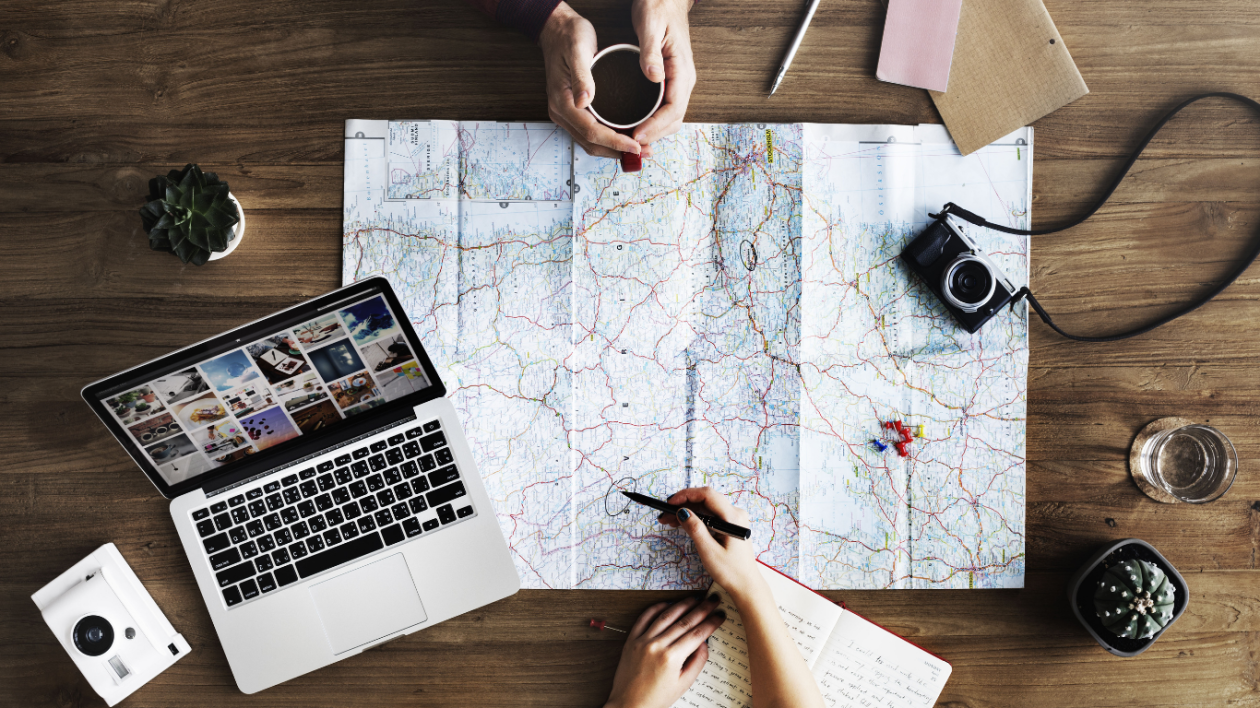
Seven different ways to document your travel journey
Última actualización Viernes, 25/07/2025
Right, so you’ve been selected to participate in a trip across Europe with DiscoverEU, a youth exchange with Erasmus+, a volunteering programme abroad with the European Solidarity Corps, or an internship in another country, or you’re simply going on vacation.
This is the perfect opportunity to document your journey so you can revisit these memories when you return home.
Below are seven different ways to document your journey. Some might be quite straightforward, others are more creative in an artistic way.
Scrapbook/diary

© Newnow from Getty Images/CANVA
A person holding a scrapbook with different pages inside.
The classic choice for documenting your travels is a scrapbook or diary, and you can approach this in two ways.
The simple route involves writing daily in a notebook, or if you prefer to be eco-friendly, creating a digital diary on your smartphone or computer.
For those who prefer a more artistic route, consider buying or repurposing a physical diary that you can personalise with stickers and decorations related to your destination.
You can add photos, drawings, doodles, restaurant receipts, or even dried flowers from parks you visit, making each page tailored to that day's experiences.
The whole point is to collect small items wherever you go and incorporate them into your scrapbook to create a record of your journey.
Memory box/ board
© Karolina Grabowska from Getty Images/CANVA
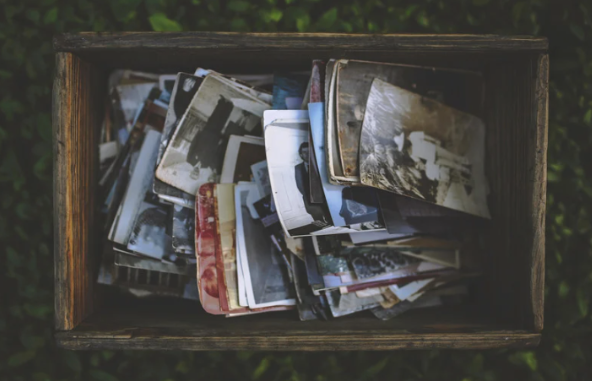
A generic example of a memory box, inside this box, there are pictures.
Creating a memory box/board is another way to preserve your travel experiences. As you encounter different places, collect small items like postcards, museum leaflets, concert wristbands, small flags, keychains, receipts, and transport tickets. You can store everything in an empty box at home, creating a box full of memories.
Alternatively, if you'd prefer to have your memories on display, create a board with magnets in your room where you can arrange all the items which you collected throughout the whole trip.
The most important rule to remember is to only take items that are meant to be taken. It’s important to avoid taking anything that isn’t meant to be taken, regardless of how appealing a souvenir may appear.
Pictures

© Maridav from CANVA
Selfie, two people taking a picture in Cinque Terre, Italy.
Taking photos with your phone is the most convenient and often the simplest option available. You use your smartphone to capture those moments within a few seconds with a touch of a button.
However, for those who would like a more nostalgic experience, consider purchasing a disposable camera. A pre-loaded camera is designed for single use and adds a charming, retro effect to your travel documentation.
Once your journey comes to an end, you have several options for preserving these memories.
Physical photo albums work well for both smartphone and disposable camera photos. It's important to organise the photos from the disposable camera properly, rather than leaving them scattered around the house or in your bag.
Alternatively, if you would like to be more eco-friendly, you can create a shared album on your smartphone or compile a digital photo collection. This option eliminates waste whilst keeping your memories easily accessible and shareable with friends and family.
Vlog
© Martin-dm from Getty Images/CANVA
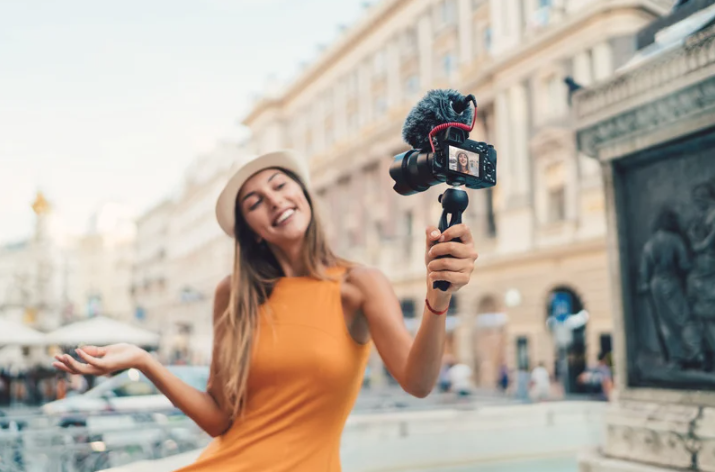
A person vlogging in Vienna, Austria.
If you're comfortable speaking to a camera in public spaces and aren't shy in front of the camera, vlogging could be the perfect way to document your travels. This allows you to create content for your social media platforms. It could be a daily YouTube video or short-form content such as TikTok and Instagram Reels.
For a more professional aesthetic when vlogging, consider investing in a selfie stick for your phone. This accessory will make a difference, particularly when you're trying to capture the scenery whilst keeping yourself in frame. Above all, it will provide you with better angles and stability.
Create a blog

© Floral Deco from CANVA
Flat lay office desk, with laptop, flowers, cosmetics and accessories. A pair of hands in the middle of the photo, typing on a laptop.
If writing is your preferred medium for storytelling and self-expression, creating a travel blog to share your journey with others is the way to go. Your experience could inspire other young people to explore the destinations you've visited, whilst helping you develop your writing skills along the way.
Consider organising your content into practical categories such as local cuisine, cultural attractions, entertainment options, transport tips, and once you’ve completed your adventure, some advice for first-time young travellers. This would make your blog useful for those planning to visit the area where you were.
However, remember your experiences as a young traveller will differ from others, and this is what will make your blog different. Your blog is your archive where you can revisit memories and reflect on your adventures.
This dual-purpose blog gives you a practical guide for others and a personal travel journey for yourself.
Audio diary

© Syda Productions from CANVA
Close-up of a person using the voice recording function on her smartphone. In the background, you can see a laptop, a lamp all placed on top of a desk.
If you frequently send voice messages to your friends and family, you might want to consider documenting your travel experiences with an audio diary. All you need for this is your smartphone and a voice recorder app or a physical voice recorder.
Before heading off to bed every night, try to record yourself and explain what you did during that day. You can talk about where you went, if you tried new foods, if you met someone new, you name it!
Imagine you’re going to meet a friend and you have to explain what happened during your travel journey, that's how you have to approach this audio diary.
Travel Map
© GeoJango Maps from Pexels
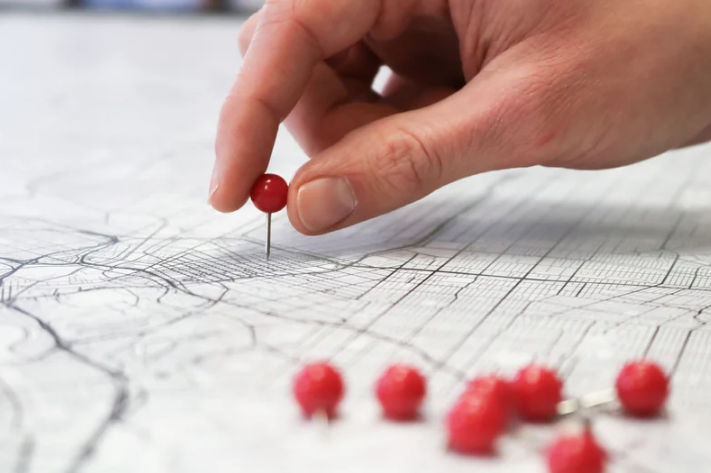
Close-up of a hand pushing a pin into a map.
For those who want to document their travels more thoughtfully, consider creating a personalised travel map.
During your journey, use your smartphone to mark each destination you visit. Use an electronic map app so you won't forget any of the places you've explored.
Once you return home, transform this digital collection into something tangible. Purchase a physical map of the country or region you've visited, along with push-pins. Once you've gathered these materials, carefully locate each destination from your digital maps application and mark them on the map with pins.
This will create a visual representation of your travels that allows you to physically trace your journey and remember those places whenever you look at your travel map.
And remember to have these travel documents, such as: passport, ID card, travel & health insurance, flight ticket and confirmed accommodation.
Safe travels and bon voyage!
Written by Eurodesk Brussels Link