

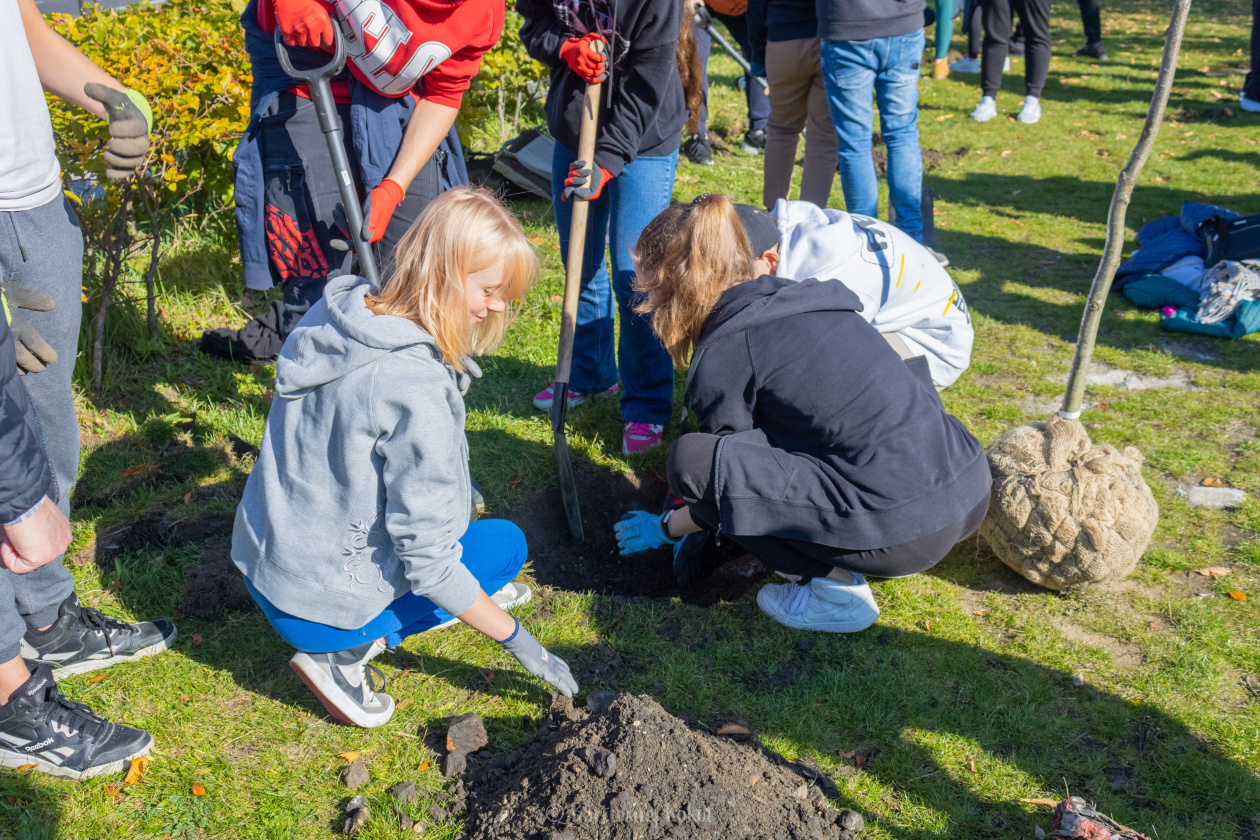
 © Photo by Bartłomiej Kokot / Eurodesk,2023
5 things to do before volunteering abroad
Dernière modification le Vendredi, 22/05/2026
Volunteering abroad can be exciting and meaningful, but a little scary too, right? You might be getting ready to meet new people, support a cause you care about and discover a new country. But before you pack your bag, it’s worth taking a moment to prepare properly. Here are 5 things to keep in mind before starting your volunteering experience.
1. Choose the most suitable volunteering opportunity for you
Before anything else, take some time to understand what kind of volunteering experience you’re looking for. There are many different projects out there, so choose carefully: look for an organisation you resonate with and a project that aligns with your values and interests.
Start by thinking about the causes you care about: are you passionate about the environment, social justice, inclusion, education or community work? Choose a project that really connects with you because that will make the whole experience so much better.
You don’t need to have specific skills to volunteer. What truly matters is finding a project where your motivation and interest can really make a difference. You can browse on the European Youth Portal and find your perfect volunteering match!
2. Get to know your host organisation
After you find your volunteering match, do some research on the organisation and the volunteering placement. Check their website, social media channels and previous activities to understand what they do, who they work with and whether their mission really matches your goal.
You can also try to reach out to past volunteers! For sure, they can share useful insights about the daily tasks, the working atmosphere and all the support they received and what advice they’d give to you.
Once you’re selected, read your volunteering agreement carefully. It should explain your role, tasks, working hours, duration of the project, accommodation, food, insurance and support. Sounds boring, but don’t skip this step as you’ll feel even readier after!
3. Check the practical essentials
Before leaving, check that your ID card or passport will be valid for the whole volunteering period. If you need a visa or residence permit, start the process as early as possible.
Also look into health insurance, local healthcare, emergency numbers and transport. If you’re volunteering in another EU country. EU citizens volunteering in another EU country, Iceland, Liechtenstein, Norway, Switzerland, or the UK, can request a European Health Insurance Card (EHIC), giving them access to state-provided healthcare during a temporary stay under the same conditions and costs as residents.
Money matters too, so get familiar with the local currency and payment methods. Will you need cash? Are cards accepted? Small practical details can make a big difference when you arrive, trust!
4. Prepare for everyday life in a new culture
Volunteering abroad is also about daily life in a different place and how to best fit in.
Learn a few words in the local language, even simple ones like “hello”, “thank you” and “excuse me”. It shows respect and can help you connect with people around you, which is supposed to be one of your main goals.
Try to understand local habits, food, public transport, weather and social norms before you go. It’ll be so appreciated by the local communities, and you’ll also get a taste of your experience before even getting there.
5. Take care of yourself during the experience
While volunteering, you’ll feel great and satisfied, but at some point you may feel tired, homesick or overwhelmed. Don’t worry, it’s completely normal!
Stay open-minded, flexible and curious, but never forget to listen to yourself as well. Stay in touch with family and friends, and if something feels wrong, talk to your mentor, host organisation, sending organisation or a trusted third party. Have a look at the Time to Mind brochure for a few tips on how to take care of your mental health abroad.
You can also keep a journal or photo diary to record what you learn and experience. That’ll help you picture how much of an impact you’re having!
Ready to make a difference? Explore volunteering opportunities and take your first step towards a new experience abroad!
Written by Eurodesk