

 © Peace Palace website
Peace Palace: Where the past, present and future of Peace meet
Последно ажурирана на Недела, 21/09/2025
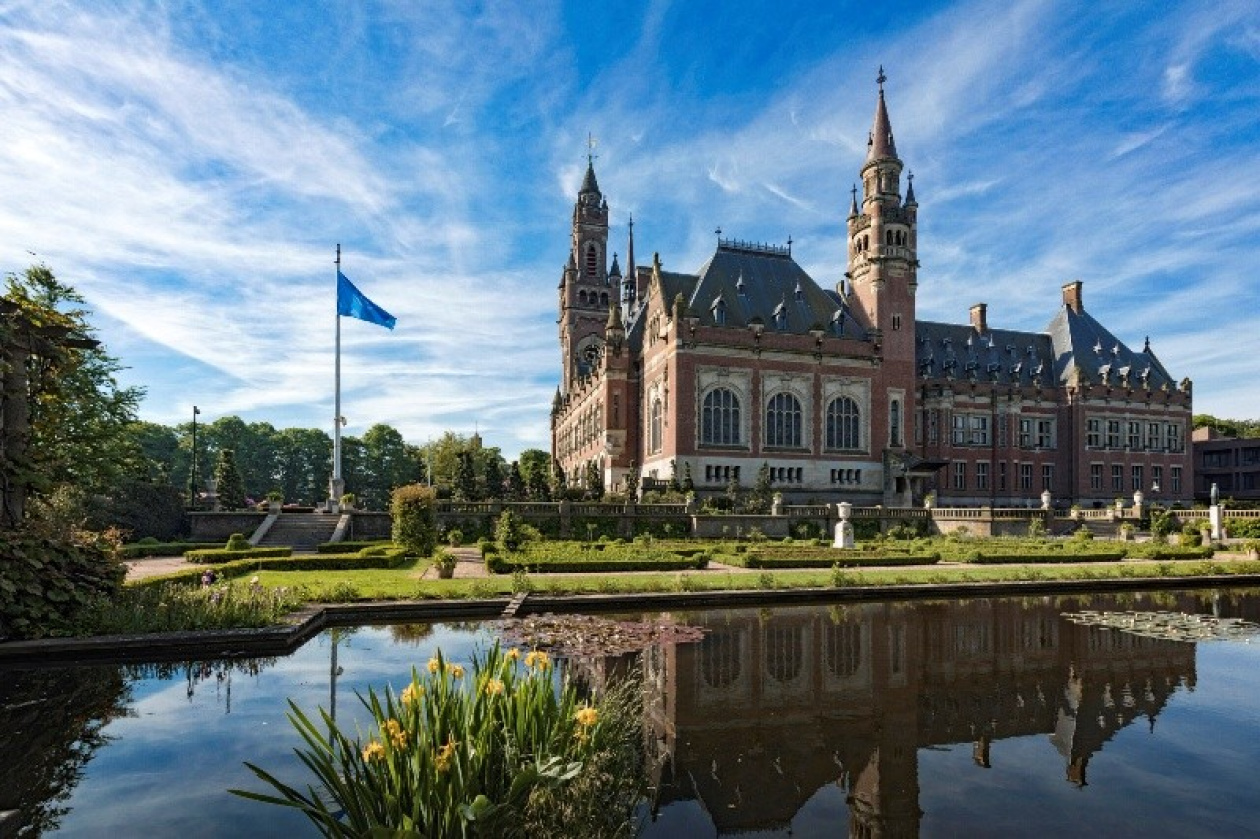
In the heart of busy The Hague, an imposing reddish brick building stands, surrounded by the green sea of its gardens. With its elegant architecture, the Peace Palace (or Vredespaleis, in Dutch) projects an eerie feeling of calmness. Once you step foot inside it and find yourself among its marble halls, this curious sensation does nothing but increment. Indeed, one quickly realises we are standing within one of the main landmarks of European identity and history; peace and harmony seem to emanate from its very bricks and stones.
A history of unity, philanthropy and determination to do better
The Peace Palace was born in the early 19th century, when a powerful peace movement began to gain relevance in Europe and America, leading to the first Hague Peace Conference under the initiative of Czar Nicholas II. 26 countries gathered in the Dutch city to discuss alternatives to violent dispute resolution. “Now it does not seem like that many, but at the time it was unprecedented” explains Claudia, Policy Officer at the Carnegie Foundation.
Following the setting up of the Permanent Court of Arbitrators during the Second Hague Conference, the Peace Palace was envisioned to constitute the physical location of such Court. With the financial contribution of Scottish-American steel industrialist and philanthropist Andrew Carnegie, the Palace was built in barely six years and was officially inaugurated in 1913. Up until this day, it is run by and remains the property of the Carnegie Foundation; an everlasting symbol of neutrality, owned by no country.
The purpose for which the Peace Palace was built can be clearly found in every aspect of the place. As I am guided through its halls, gardens and library, thousands of thoughtfully designed details evoke the values of peace and conciliation through law, central to our past and present Europe.
From the beautiful vessels gifted by different countries or the astonishing stained glass windows to the layout of the building itself, which is accurately symmetrical, to indicate that everyone is equal before the law. Even the garden is filled with numerous types of trees, flowers and bushes, carefully chosen for their soft branches and small leaves, allowing for the light to pass more easily, symbolising peace and harmony.
The relevance of the Palace to the shared European identity was recognised with its European Heritage Label designation in 2013, the year of its hundredth anniversary. A permanent symbol of peace and reconciliation, the Palace counted itself among one of the four European sites to be granted this title. However, its history is only one of the several aspects that make it so important for European peace and concord. As I explored the Palace, I quickly realised there is so much more beyond symbolism to it.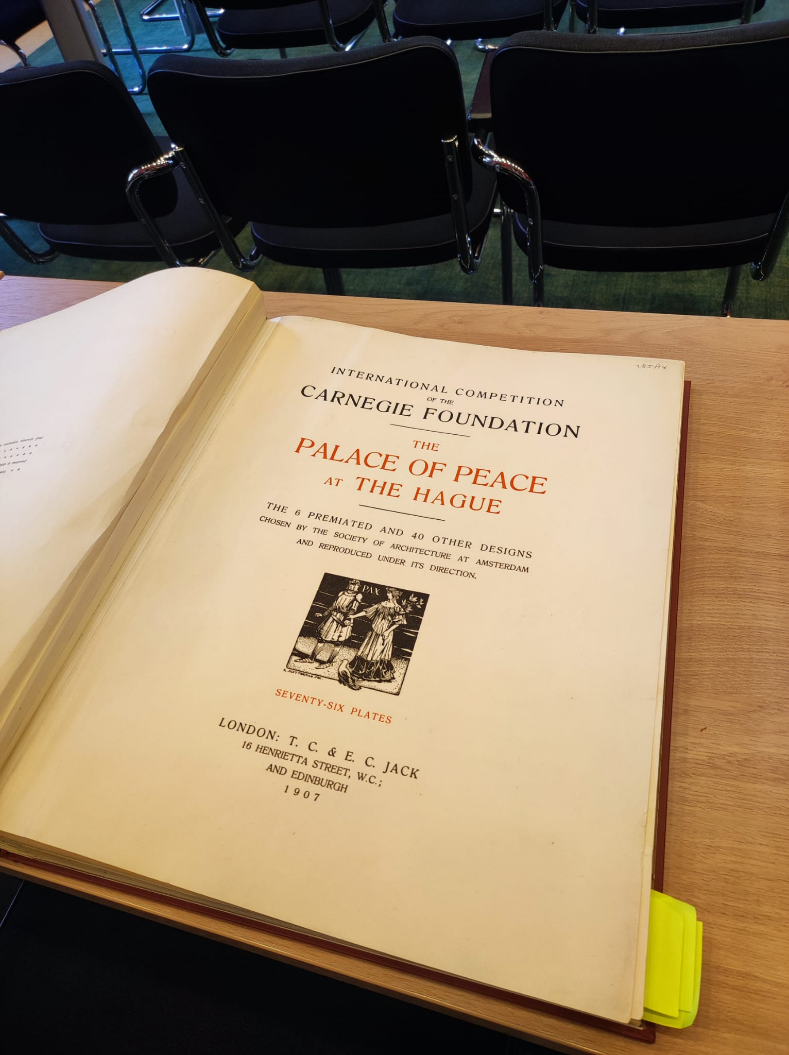
Not just an emblem but an engine to peace nowadays
For many decades now, the Palace has housed two of the most important international courts in peaceful conflict settlement between states at the European and global level; namely, the Permanent Court of Arbitration (PCA) and the UN International Court of Justice (ICJ). Allocated in the two symmetrical wings of the building, the PCA occupies the left side, whereas the ICJ can be found in the opposing one.
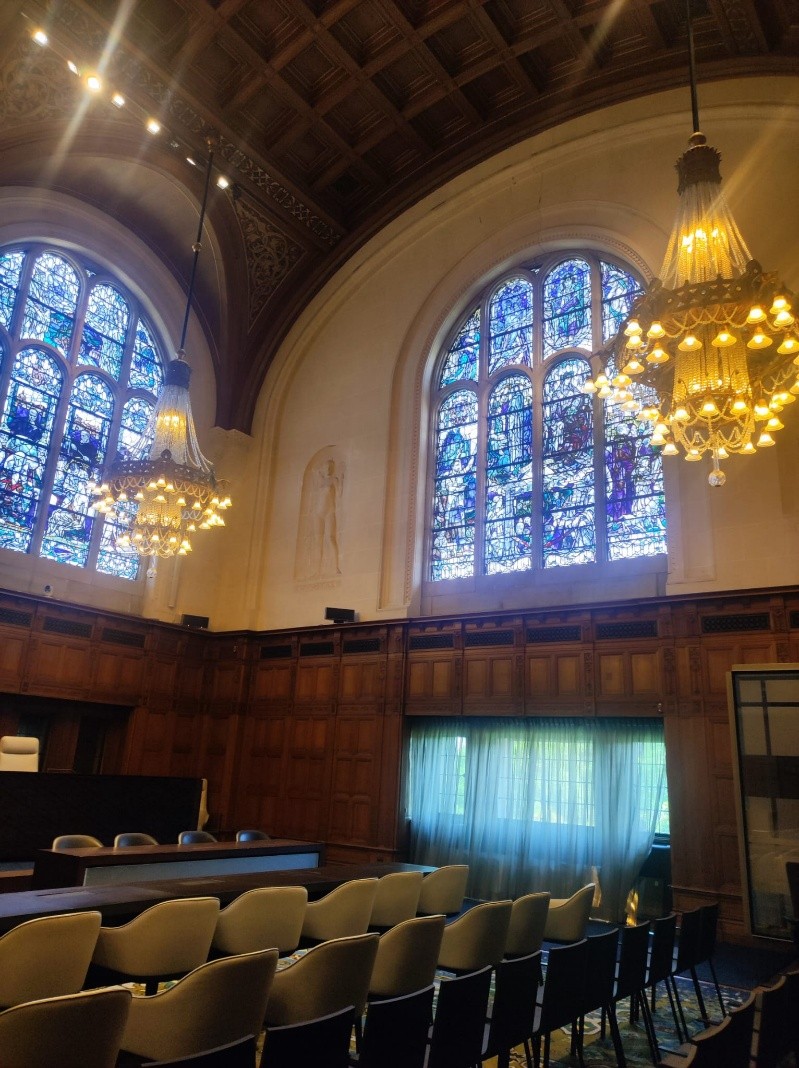
Their work as peacemakers continues to be increasingly relevant these days; during my visit, several members of the staff alluded to the ICJ hearing that would take place a week later on the climate change responsibilities of states, excitement creeping out in their voices. The ICJ’s Great Hall within the Palace is crowned by astonishing stained glass windows, representing the past, present and future or ideal of peace, being the last one located in the wall opposite the judges’ entrance.
This way, when the judges step into the Hall, the first thing they see is the ideal of peace. The Peace Palace thus tries not only to offer a headquarters to the Courts but also to serve as a constant reminder that their decisions should be governed by the values of peace and justice.
Actively teaching and shaping the next generations
Finally, not only past and present are the main characters in the Peace Palace; there is also considerable room left for the future. By housing The Hague Academy of International Law, the Palace opens its doors to eager young minds hoping to make a difference. Whether it may be immersed in their readings in the library or passionately discussing in the canteen, the presence and passion of the future generations fill the building.
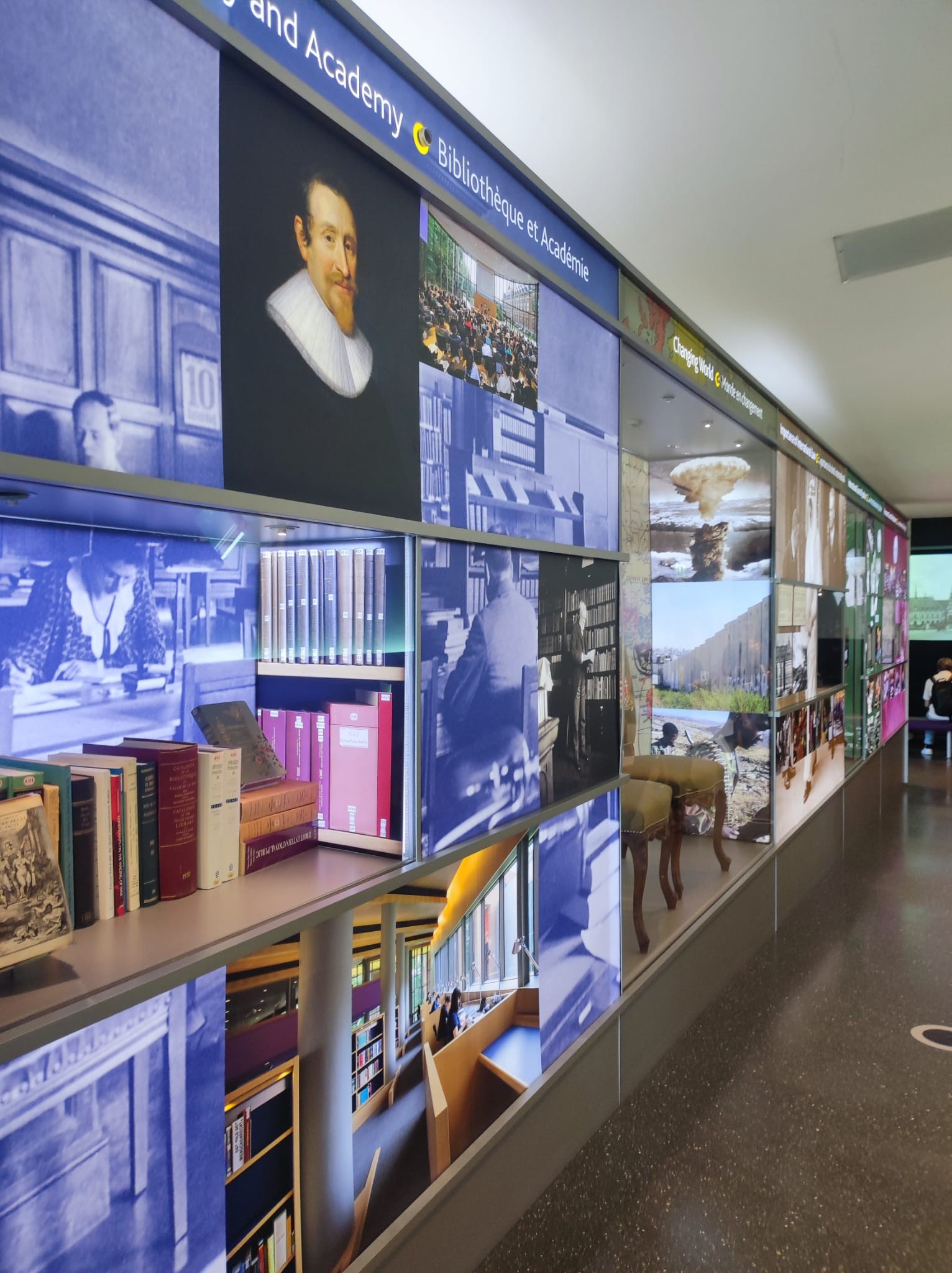
The Palace’s visitors centre also plays a key role in engaging the youth. Blending both past and present, the centre offers materials and guides for the public which go beyond the merely historical and invite them to think critically on the evolution of peace-making. “We really invite visitors to think about how to go about things. What is justice? What is peace? What rules do you need?” explains Josien, staff member of the visitors centre.
After a full day within the Palace and as I am leaving the grounds, slowly climbing down the stairs to the main entrance, I cannot help but look back at its lonely silhouette. The Peace Palace has stood for over a 100 years and will continue to do so for many more – a breathing organ of peace and an unwavering reminder that working together, a better way can always be found.
Young Journalists in Europe - Meet the author
Ángela Garrido Rivera
“As I finish my EU Competition Law Master's, I see the European Youth Portal as the perfect scenario to combine my fascination for EU affairs with my biggest passion: storytelling.”
This article reflects the views of the authors only. The European Commission and Eurodesk cannot be held responsible for it.