

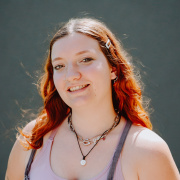
Replanting trees after a forest fire
Laura-Elise, BelgiumThis volunteering experience confirmed for me that the European Solidarity Corps truly meets young people’s need to come together, especially after Covid. Even after just two weeks, you feel part of a new family, and the friendships last: people I visited again, volunteers who stayed with me, places where I will always be welcome.
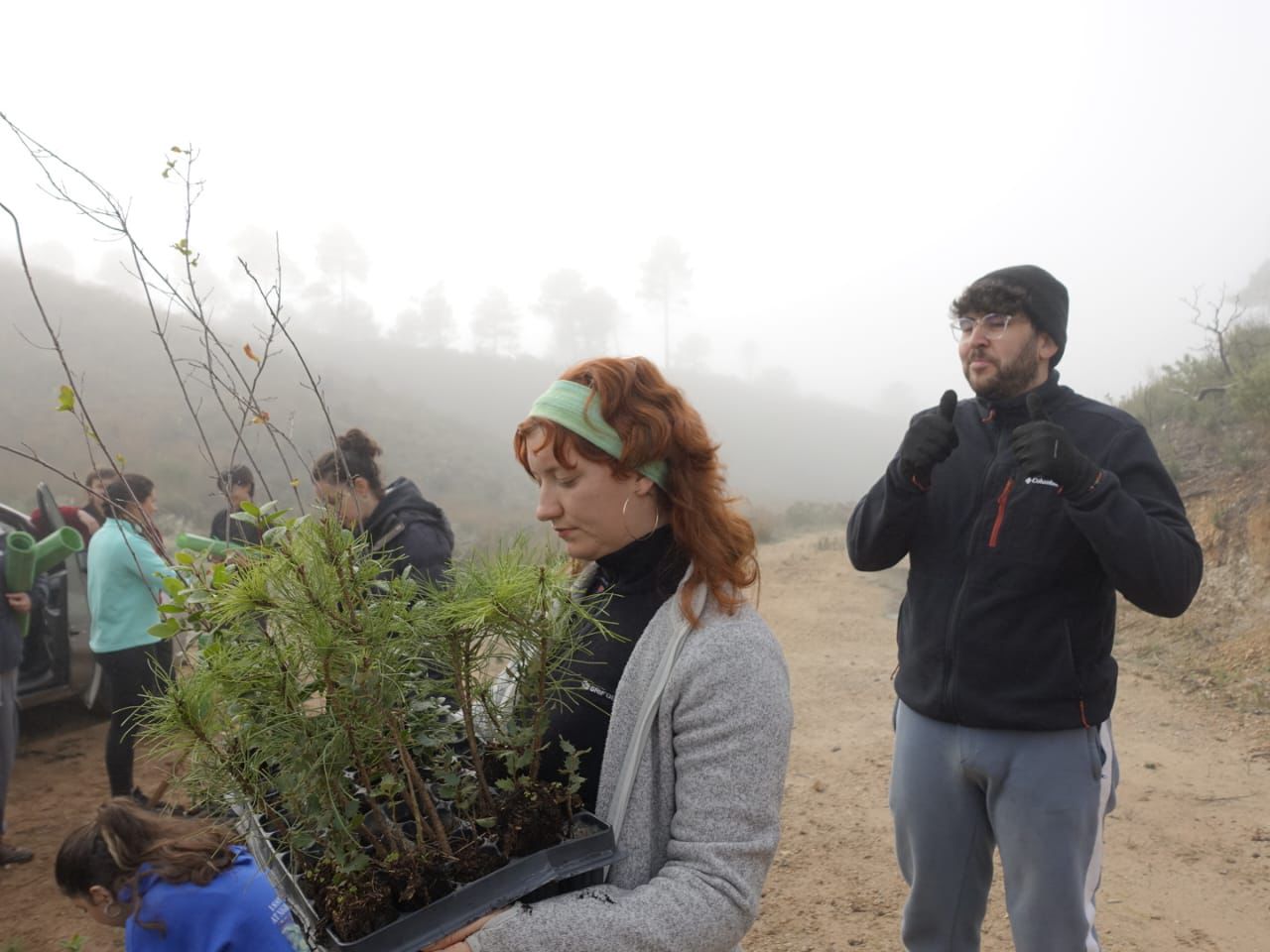
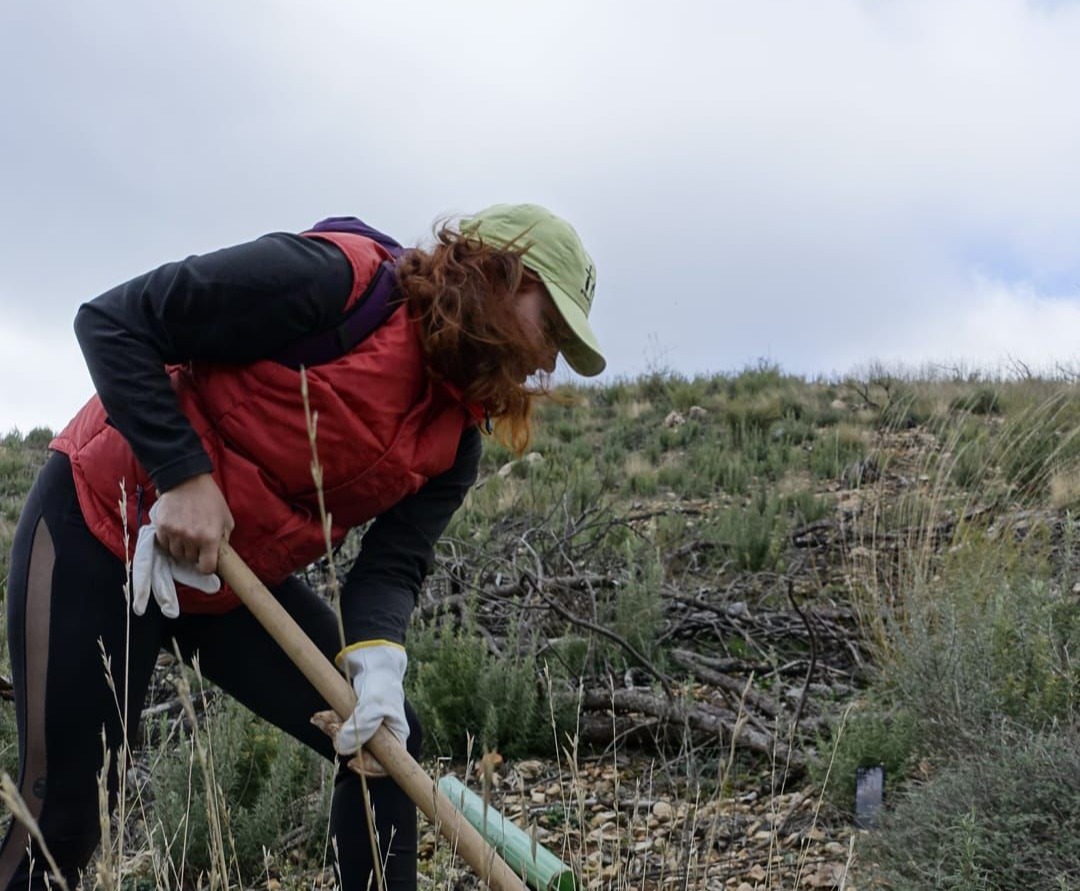
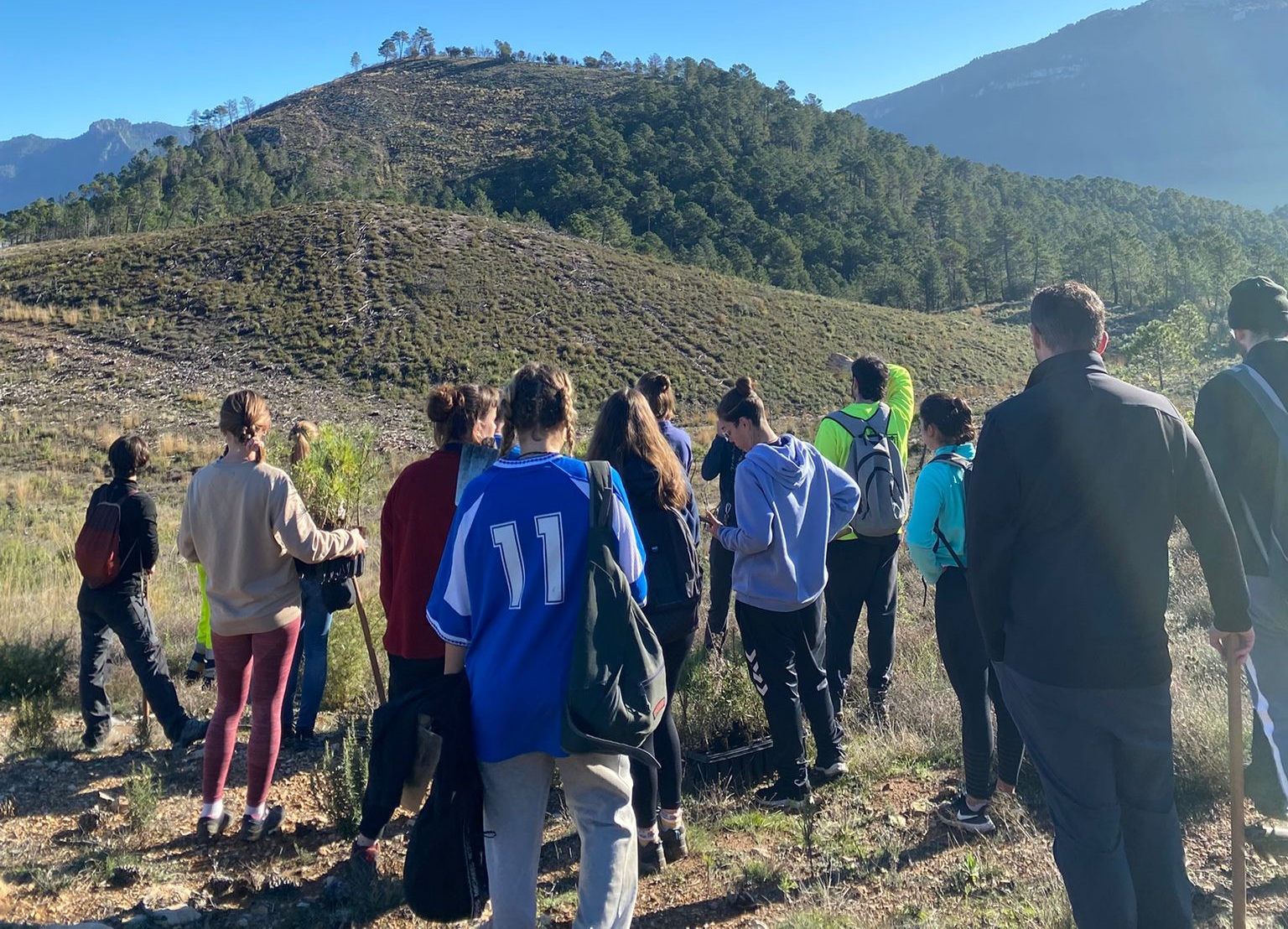
Laura-Elise volunteered in Spain in 2024, where a forest-fire had destroyed a large part of the forest. She helped to replant trees with other volunteers from around Europe.
🎤 What has been the most memorable or impactful moment from your volunteering experience — something you will never forget?
"The most memorable part of my volunteering wasn’t a big event, but the small, everyday moments in our shared house. We had one big living room where, despite speaking different languages, some only Spanish, others only English, everyone gathered each evening. Someone would be knitting, someone singing, the dog resting by the fireplace, and yet no one ever felt alone. I built a special bond with two eighteen-year-olds from France and Greek Cyprus; at 26 I sometimes felt like the big sister. We worked and hung out together, and I later visited one of them during a project in Cyprus. It felt like we’d created a mini-family where everyone could be themselves. We also had team-building moments with documentaries and group discussions, developed a walking route about the region, and were interviewed for short videos at the end."
🎤 What type of impact did your engagement have on the local community where you were active?
"Our engagement had both direct and long-term impact. We joined a project that welcomes volunteers every year in short two-week teams, and the local community now immediately recognises European Solidarity Corps (ESC) volunteers, remarkable in a village where almost no one passes through except bike tourists. We worked on reforestation, knowing a new forest will grow there in a few years, which gives a strong sense of sustainability. We also lived with local Spanish youngsters participating through youth centres, often in vulnerable situations. They spoke little English, so communication was sometimes creative, we couldn’t even wake them calmly because we didn’ t know the Spanish word for it. But they were part of the same warm, home-like atmosphere, and for them too the living room became a safe mini-community. The experience strengthened my belief that ESC meets young people’s need to reconnect after Covid. The friendships last: volunteers who later came to stay with me, and people I visited again."
🎤 How has volunteering contributed to your personal growth, professional development, or overall outlook on life?
"Volunteering has truly given direction to my life. I did my first Erasmus+ exchange at 17-18 and never really stopped. European Solidarity Corps (ESC) became a consistent thread, and now I even support ESC volunteers myself, turning my passion into my job. Professionally, it shaped how I work with young people, challenge stereotypes, and create safe spaces. I pay close attention to project structure: introductions, exploring the local area, step-by-step activities, and a clear ending, which I now apply myself.
Personally, ESC made me more open and empathetic. I learned to listen to people from different cultures and developed calm confidence with new groups. That helps when young people feel lonely, as I actively create ways for them to connect, for example, a list of “things you still want to do before you leave.” ESC shaped me as a professional and a person: curious, patient, and always ready to make others feel welcome."
Updated on terça-feira, 14/04/2026