

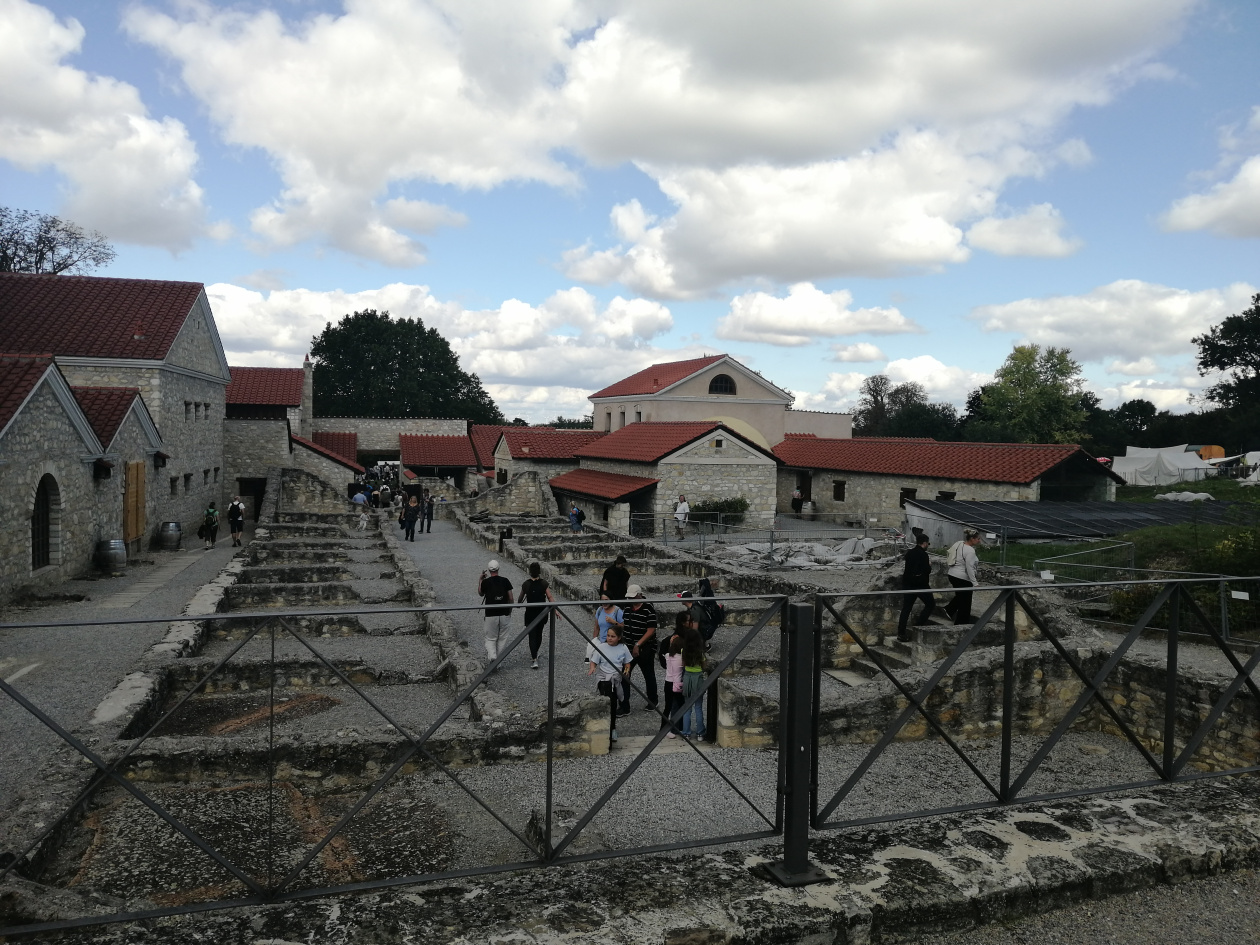
 © Archaeological Park Carnuntum,2025
Meeting the Romans today: A visit to the Roman festival in Carnuntum, Austria
Son güncelleme Cuma, 19/12/2025
Have you ever thought about how the Romans lived thousands of years ago? What did they use to eat and to entertain themselves? If you are curious about this, you can go to the Archaeological Park Carnuntum. During the events held here in the Park, such as the Roman Festival, young and old alike were able to experience firsthand how people lived thousands of years ago.
On 6 September, I took part in the big Roman festival in Carnuntum. On this day, many people wore traditional clothes and imitated the Roman lifestyle. At the festival, the visitors could taste the original Roman bread, see the soldiers' camp and the Roman market too. In the Arena, they watched the real gladiators’ fights and parades with traditional costumes. In the afternoon, people attended the reconstitution of a typical wedding ceremony. There were also handworkers, who created traditional boots and clothes.
The Romans first settled in Carnuntum in 6 AD, because Tiberius erected the winter camp here. In the 19th century, scientists found the old ruins of the military camp, and in the 20th century, they also found the city quarter.
Violence, culture, innovation and slavery - those were the first words coming to the visitors’ minds when I asked them about the Romans' culture. I was especially curious about how such an old culture can be brought closer to the younger generations. People said that besides school education, trips are also fascinating for students, because they can experience the lifestyle of past societies. Visitors also highlighted some examples of ancient cultural heritage, for instance, the Latin language and innovations, such as the underfloor heating system.
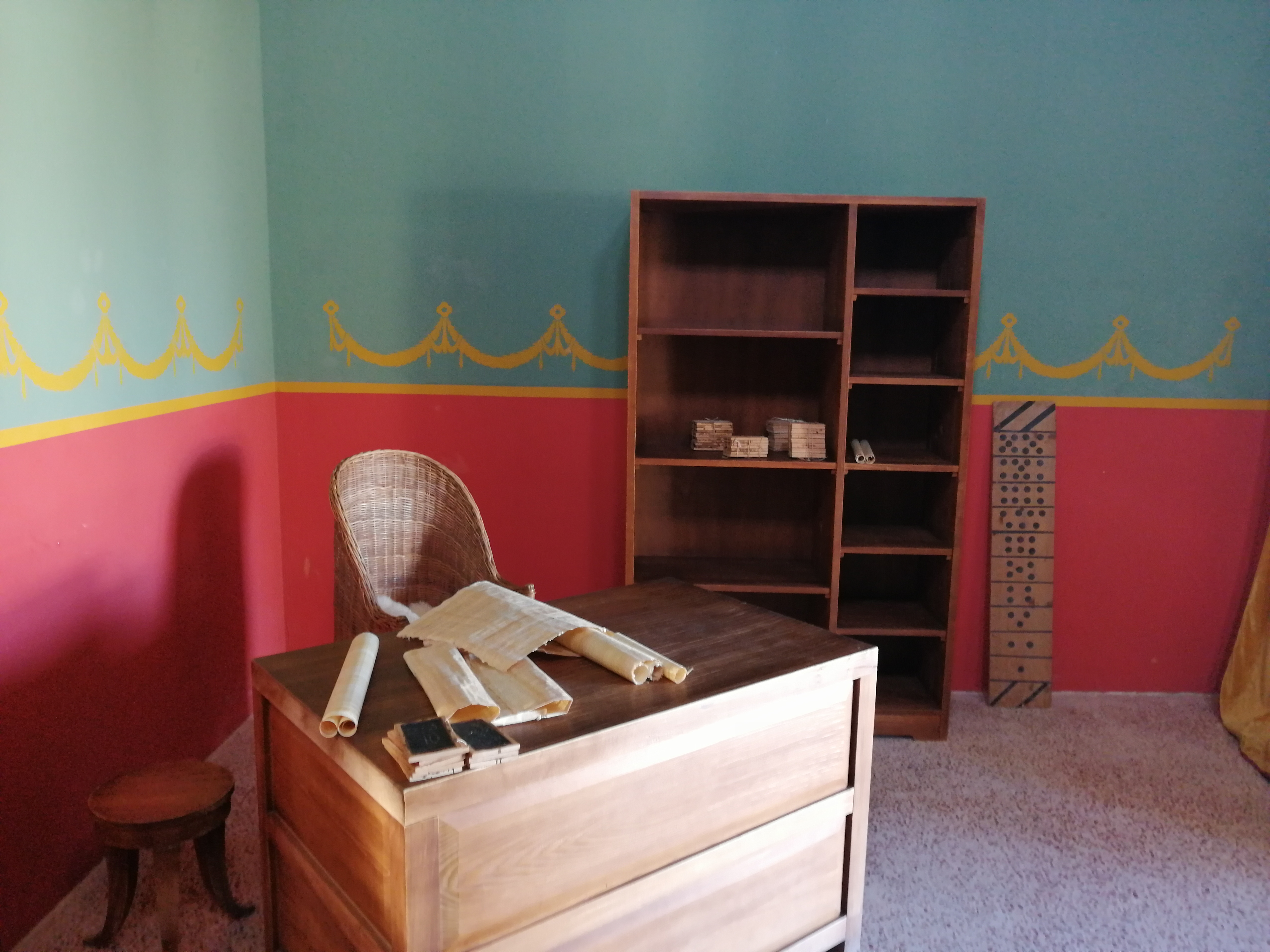
Carnuntum isn’t just a park with several ruins; it’s much more than that. “We don't want to show the history, we want visitors to relive the history in our Roman city quarter. I think that's something very special also for young people because they can come here and just see the houses from the Romans, and it's something very touchable,”- said Anna-Maria Grohs, the Pressperson of the Römerstadt Carnuntum. For the new generations to also enjoy the visit, ancient buildings were reconstructed as the ancestors would have built them, for example, the experts used only old chopped wood for roof constructions.
Carnuntum became the first European Heritage Label site in 2014 and is also part of the UNESCO cultural heritage. Anna-Maria Grohs emphasised that it’s a very great honour for the Roman city, because it shows the ancient order of the Limes (the border-defending system of the Roman Empire) and the significance of Carnuntum in this border-defending system.
Cultural diversity as a European value was also reflected on this site, because here both rich and poor people with different social statuses used to live together. Nowadays, guests from several different countries come to this archaeological park.
To be frank, I really recommend that you take a visit to the Archaeological Park Carnuntum, because here you can enjoy the real old Roman culture and discover the ancient traditions brought back to life from the past. Next year, the Roman Festival celebrates its 20th anniversary - a great event to discover the old Roman soldiers’ and citizens' lifestyle!
Young Journalists in Europe - Meet the author
Márton Benkő
“I am currently finishing my last year at a high school in Hungary. I've been attracted to the world of media since I was young. I mostly like writing articles and conducting interviews, and I am also very interested in photography. Later, I want to study communication and media at the university. In my free time, I dance in a small folk dance group. I’m really keen on movies and travelling.”
This article reflects the views of the authors only. The European Commission and Eurodesk cannot be held responsible for it.