

 © Manny Becerra/Unsplash
A turning point for Malta: The story behind the new abortion legislation
Son güncelleme Salı, 02/06/2026
Andrea Prudente, a 38-year-old US citizen, came to Malta for a holiday on 5 June 2022. There she was denied an abortion despite suffering from a ruptured membrane while being 16 weeks pregnant. In 2024, Malta finds itself at the centre of an ongoing debate surrounding its abortion laws, sparked by the Andrea Prudente case.
Up until 2023, termination of a pregnancy was prohibited under all circumstances in Malta. Now an exception was introduced - if the life of the pregnant woman is at risk, an abortion can occur after approval from a team of medical professionals and under specified conditions.
Prudente's pregnancy was eventually terminated in Spain, sparking outrage, and prompting the Prime Minister of Malta, Robert Abela, to propose a legal amendment to prevent similar incidents.
Prudente filed a constitutional case against the Health Ministry. She evaluated and concluded after seeking legal advice that parts of the Criminal Code in Malta were unconstitutional and a violation of the European Convention on Human Rights.
The proposed amendment, presented by Health Minister Chris Fearne and Justice Minister Jonathan Attard at the time, aimed to allow termination of pregnancy if a woman's life was at immediate risk or if her health was in danger, which could lead to her death.
The amendment faced criticism from both anti-abortion activists and pro-choice advocates. While some argued that it did not go far enough in protecting women's rights, others expressed concerns about the potential for abuse and the sanctity of life.
“The new law will do little to protect women’s lives in a medical emergency like hers”, Andrea Prudente, a quote from: “How Malta’s Abortion Ban Put My Life at Risk | Context, 28 June 2023.
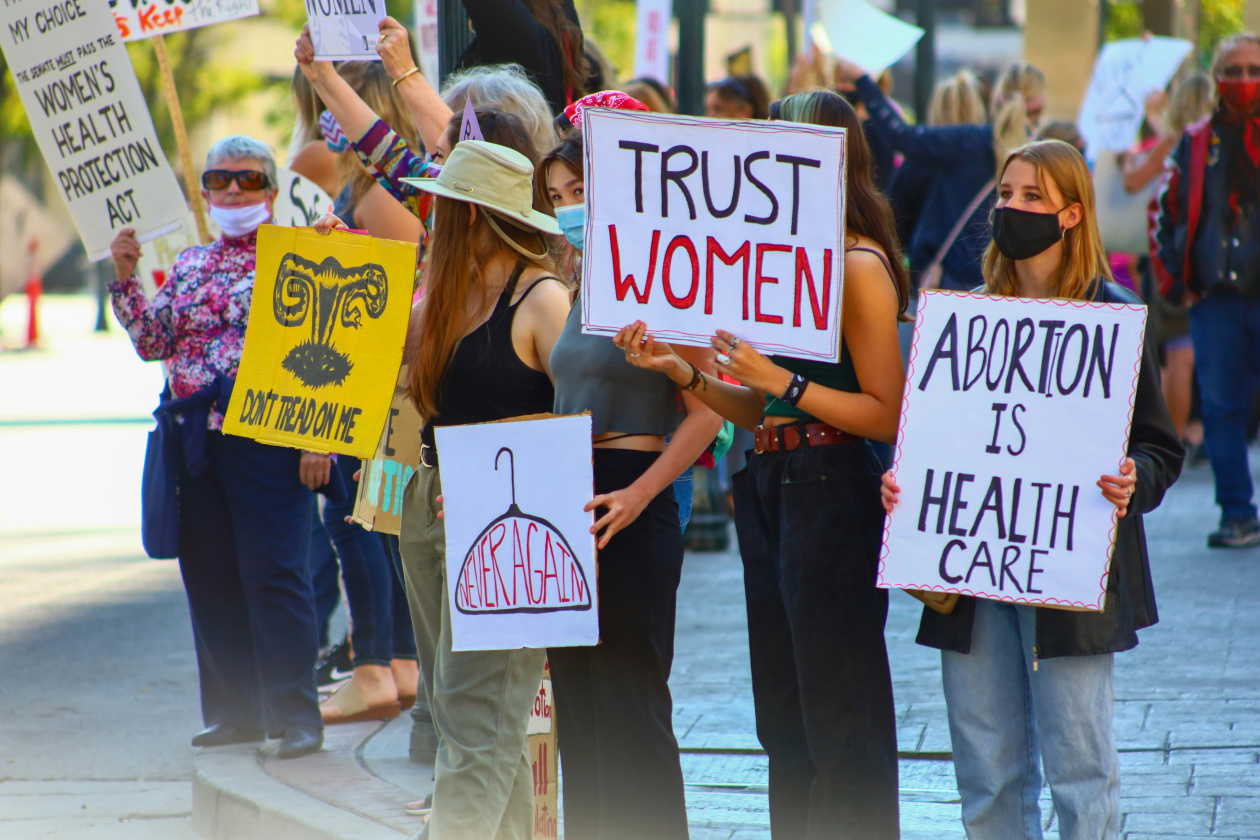
Additionally, public outcry and advocacy efforts intensified, with pro-choice rallies demanding the decriminalisation of abortion and its recognition as an essential healthcare service.
A survey dating back to 2022 created by MaltaToday shows that an anti-abortion sentiment still runs high in Malta with 61.8% totally against it. This stems from a vigorous roman catholic background since over 90% of the Maltese population is religious.
In two exclusive interviews with two Maltese citizens, a woman in her 50s (Mariella Fenech) and a 19-year-old young person (Nicolai Costantino), both expressed different reasons and reactions when it came to the new amendments for abortion.
Fenech expressed strong opposition against abortion, elaborating on personal experiences and family history as influential factors. Despite acknowledging the complexities of pregnancy, she advocated for support and adoption as alternatives to termination, emphasising the importance of protecting both the mother and the unborn child.
"I will always be against abortion... I would agree only when the child is born... then if the woman cannot take care of the child, I would find parents who cannot have children and they will adopt the child after a long assessment that the parents are of good standard." – Mariella Fenech
In contrast, the Maltese 19-year-old Nicolai Costantino expressed support for the legalisation of abortion. It is also important to take into consideration that some individuals might argue that abortion should only be the choice of the woman, but it is interesting to see the male’s perspective on this topic.
Costantino delved into the need for safe and accessible reproductive healthcare. Despite coming from a religious background, he emphasised the importance of adapting to changing societal norms and ensuring individual choice. He argued that legalising abortion would prevent unnecessary health risks and financial burdens associated with seeking abortions abroad.
"I think that the legalization of abortion will be beneficial for the country by allowing for people to feel safer about abortion and the financial resources being put into abortion will be given to the Maltese government rather than the government of another country." – Nicolai Costantino
In February 2024, Member of the European Parliament (MEP) Cyrus Engerer (from the Maltese Labour Party), accompanied by several pro-abortion NGOs, led a demonstration in Brussels advocating for the legalisation of safe and legal abortion. The NGOs, including MGRM, Women’s Rights Foundation, and Moviment Graffiti, voiced their support in front of the Embassy of Malta in Brussels.
Engerer highlighted the European Parliament's solidarity with women and marginalised individuals who can become pregnant, emphasising the importance of access to safe and legal abortion as a fundamental human right. He also mentioned discussions within the European Parliament regarding the absence of safe and legal abortion within an EU country as a form of violence against those seeking abortions. Despite warnings of political consequences, Engerer affirmed his commitment to equality and justice.
Also present in this protest was Andrea Dibben, Vice President of the Women’s Rights Foundation, acknowledged that while abortion remains illegal in Malta, advocacy efforts have yielded progress in raising awareness and pressuring the government for change. Member of the Parliament and CEO of the Labour Party (MP) Randolph Debattista (Maltese Labour Party) was also present at the demonstration. Debattista's presence sends a clear message locally and internationally about the urgency and importance of addressing abortion rights in Malta. It indicates a willingness within the political establishment to engage in discussions about reproductive rights.
In conclusion, Prudent’s case has created a long-awaited national discussion about Malta's abortion laws, forcing policymakers to confront the realities of reproductive healthcare and women's rights. While the proposed amendment represents a step towards reform, significant challenges remain in reconciling diverse perspectives and enacting meaningful change.
_______________
Young Journalists in Europe - Meet the author
Emma Brownrigg
Hello! I'm Emma Brownrigg Fenech, an 18-year-old studying journalism from Malta. Raised by political discussions, I've forged a deep interest in societal change. Presently, I serve as the Vice-President of my college. In 2022, I made my parliamentary debut. I eagerly anticipate engaging in global dialogue. Journalism and politics aside I enjoy rock and metal music. My commitment remains steadfast—to utilise media as a catalyst for meaningful societal transformation.
This article reflects the views of the authors only. The European Commission and Eurodesk cannot be held responsible for it.