

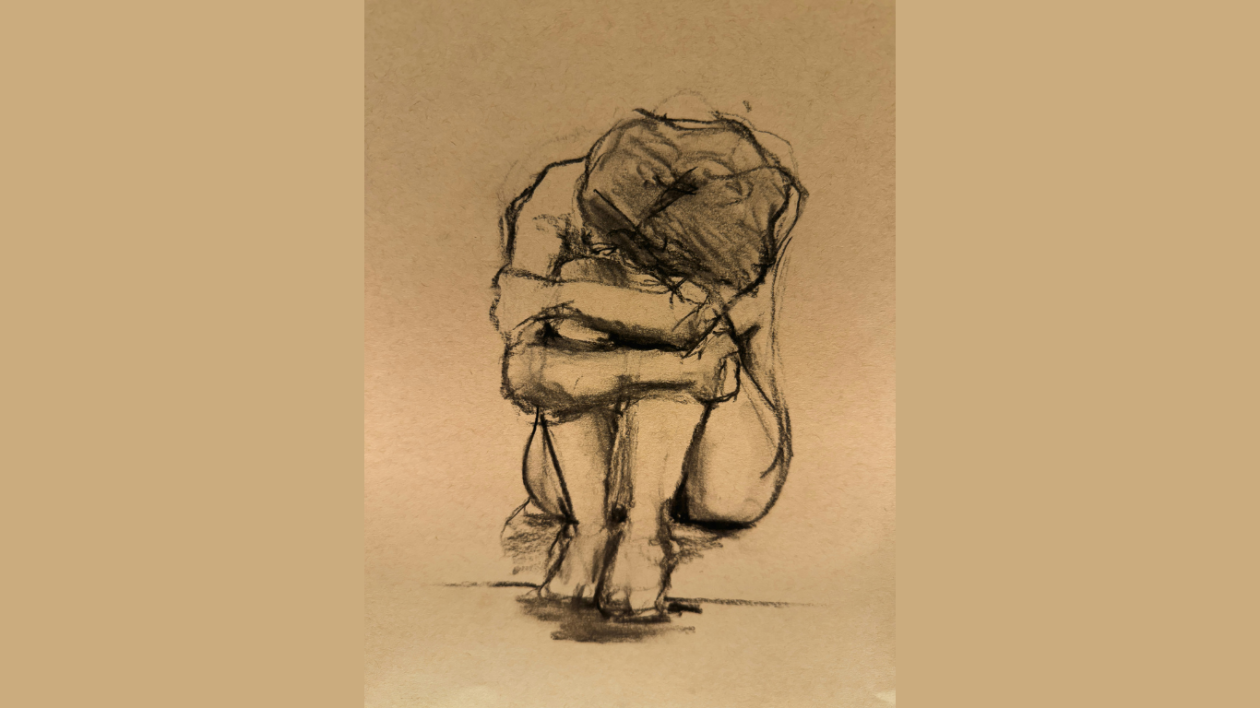
 © Rapha Wild from Unsplash
What Elu ja Armastus taught me about love without illusions
Utolsó frissítés szerda, 03/06/2026
Tammsaare’s Elu ja Armastus is not only a classic, but a gentle but strong reminder of how love, identity and everyday life nurture each other. Engaging with that text helped me see Estonia and myself differently.
When I first turned the pages of Elu ja Armastus, I had no idea of what to expect. I had no experience or understanding of early 20th-century Estonian literature, and even thought the story might be distant or foreign to my own life. But the unexpected happened. The more I read, the more the book pulled me into a world which was quiet, honest and eerily familiar, almost like a person who is not a fast talker, but who “gets” everything you are afraid to say out loud. Evidently.
The first thing I noticed was the atmosphere of the writing. The writing feels gentle, almost delicate. Nothing jumped out, nothing felt hurried - he lets life happen as it happens, through misunderstanding, with small hopes, with disappointments, the quiet courage you carry when you try to love honestly. I had to stop reading in a good number of moments, but it was because the meaning struck me, not because it was difficult to digest; it would hit something I don't think I could have anticipated.
In the backdrop of an Estonia defined by a society rooted in fields and farms and families, the novel Elu ja Armastus portrays love the way it exists for most people. It's not perfect, actually, it's extremely complicated, often unfair, but ultimately it's human. There aren't any grand proclamations of love, nor a fairy-tale ending that makes sense in the context of a world ruled by unspoken social norms. All the characters are grappling with being their true selves, something all people want but are usually unable to embrace. I learned quite quickly that the tension we were exploring together - between ourselves and what society demands of us - is something that young people today are also negotiating constantly.
Perhaps that's the surprise beauty of this Estonian classic. Even if we live in a world with smartphones, trips, and fast decision-making, the emotional truth of the novel is one that has not changed. We still wonder if we're choosing the right people. We still grapple with expectations from families, friends, and even from ourselves.
We still fear being vulnerable, although we desperately want to be known.
As I followed the characters through their choices, their mistakes, their yearning, it felt like Tammsaare was reminding me of something basic but also profound: love is not an act of magic in which love simply appears and is fully formed.
Love takes its time, through simple moments that do not even register as grand: a look, an awkward conversation, a silent compromise, a small act of kindness. Sometimes it grows in life even when it seems to make it almost impossible.
Sometimes it fades in life, even when we have tried to hold onto it. Isn’t it?
What struck me most was that Tammsaare very much connected love to identity. His characters do not love in a vacuum- Love in the confines of their societal structure. Their feelings crash into many realities: their world's expectations, tradition, moral judgments, and the quiet pressure to do the right thing. That complexity made me think of my own generation- how we are constantly caught in between the desire for freedom and the desire for responsibility, between our desire to follow our hearts and our desire to avoid mistakes that can make us feel defined.
The film adaptation added another layer to my experience. Witnessing Estonia's scenery - the wide skies and fields, wooden houses, the forests, both calming and daunting - helped me see how the geography shapes the emotional world of the story.
The silence, the long pauses, the muffled colours… it was almost as if nature was breathing alongside the characters. It made me consider the aspirational power of a story when culture and land collide.
I watch Elu ja Armastus. It feels really personal. It makes me think about how I deal with relationships and big life questions. I realise that these big questions do not always come from events or quick choices. Sometimes they come from moments when I am alone and thinking about what kind of person I want to be. Elu ja Armastus helps me see that love is not like the movies. Love is about sitting, being patient, honest and brave even when it is hard. Elu ja Armastus shows me that love is not always exciting; it is about making choices every day.
This book stayed with me for a time. The book does not shout at the reader. The book does not say it will give you all the answers. The book simply tells you some truths that you will remember even after you finish reading the book. The book whispers these truths. They stay in your mind long after you have read the last page of the book.
For me, Elu ja Armastus is more than a book. It is a bridge to Estonia and to a time. I did not expect it. Elu ja Armastus also became a bridge to myself. What I like about Elu ja Armastus and other stories is that they show us that things from other places are not just about understanding people from other cultures. Elu ja Armastus and these stories are like mirrors that reflect our fears and hopes back to us. This is what Elu ja Armastus means to me. We may be different, but we all share the same desires: love, meaning, and belonging. We seek these things, no matter how complicated life gets, because they give our lives purpose.
Tammsaare did not write for my generation, and yet somehow he still understood us. And that is a quiet power of Elu ja Armastus - it speaks softly, but its message is unforgettable.
Young Journalists in Europe - Meet the author
Efe Yalabikoglu
“My mission is to create content that informs and empowers, fostering unity and sparking meaningful conversations.”
This article reflects the views of the authors only. The European Commission and Eurodesk cannot be held responsible for it.