
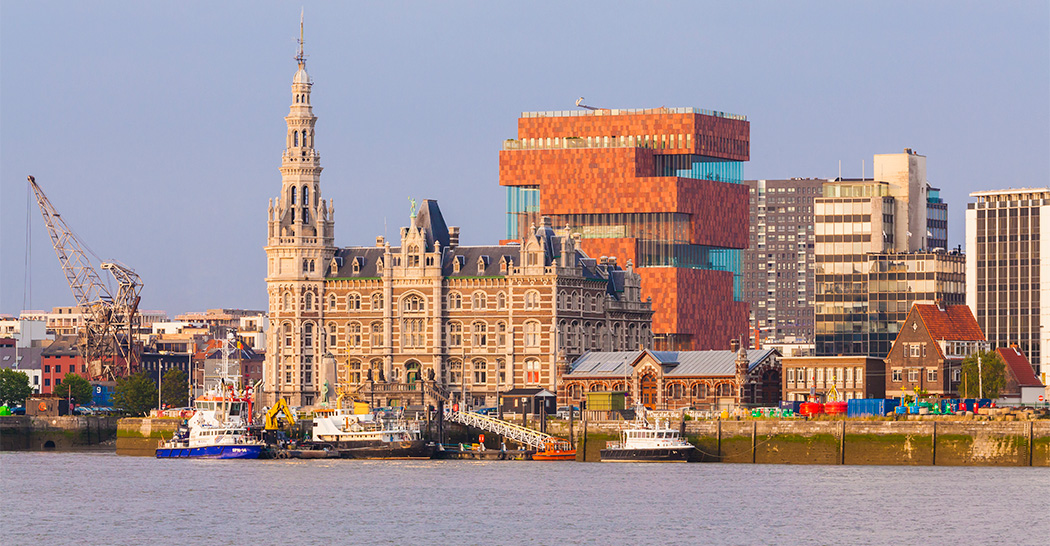
In the 1980s, the ‘Antwerp Six’ took the fashion world by storm with their distinct, radical vision of fashion. Today, their legacy lives on at Antwerp’s ModeMuseum, which features works by the original six designers. The Royal Academy of Fine Arts is steeped in history and the city has a designated fashion district with nearly 70 home-grown labels. When arriving in Antwerp, you will be struck by the imposing Antwerp Central Station, which often appears on lists of the most beautiful train stations in the world. While in town, sample some chocolates at Chocolate Nation, the largest Belgian chocolate museum in the world.
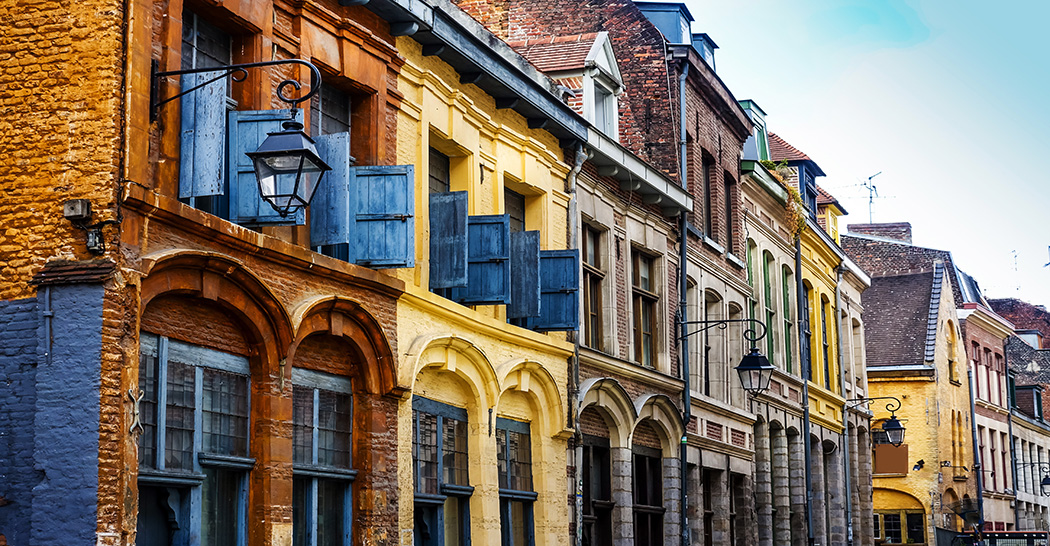
Near the French-Belgian border sits the city of Lille, the home of two UNESCO world heritage sites – including the belfry of the city and the Nord-Pas de Calais mining basin. The city is known for the production of Lille lace, a lightweight bobbin lace prominent in the fashion industry in the 18th century. Through its 2004 European Capital of Culture designation and the resulting Lille3000 cultural legacy programme, the city has emerged as one of France’s most exciting cultural designations in recent years. When in the city, take a stroll through Old Lille and discover its numerous baroque buildings and elegant 19th-century homes. The Palais des Beaux Arts, one of the biggest art museums in France, is another must-visit.
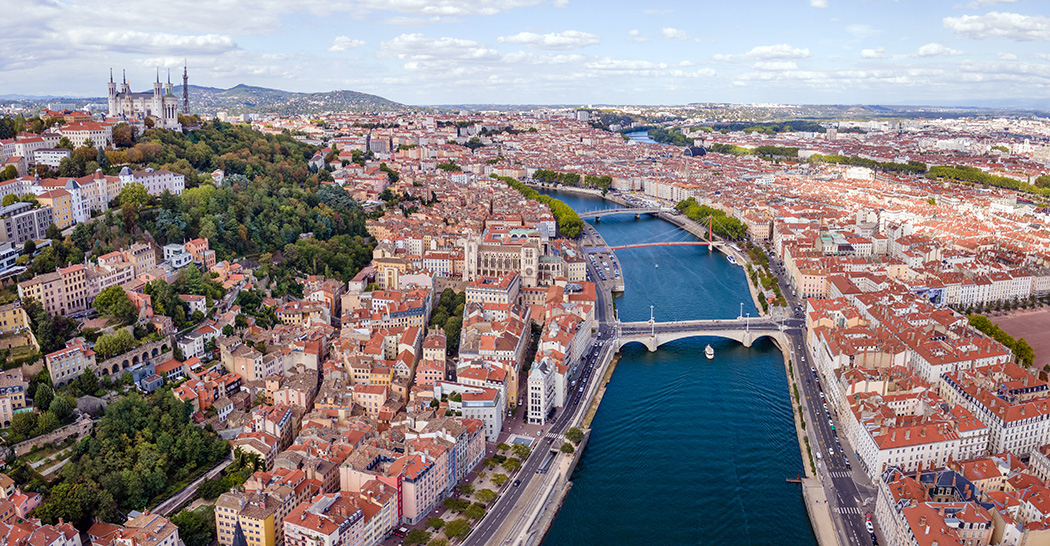
Lyon is a giant open-air museum. A full 10% of the city has been designated a UNESCO World Heritage Site due to its massive Renaissance-era old town and its ruins dating from the Roman era. It also has a strong fashion tradition and is a leader in the silk industry. Culture can be experienced by everyone in Lyon, thanks to inclusivity programmes such as the provision of accessible equipment in libraries and a 100% accessible bus service. The city’s commitment to inclusivity earned it first place in the Access City Award 2018. Lyon is also known as the culinary capital of France – Paul Bocuse, a Lyonnais chef known for his high-quality restaurants and innovative cuisine, was regarded as an authority in French cuisine. To sample his legacy, visit one of the many traditional eating houses known as ‘Bouchons Lyonnais’.
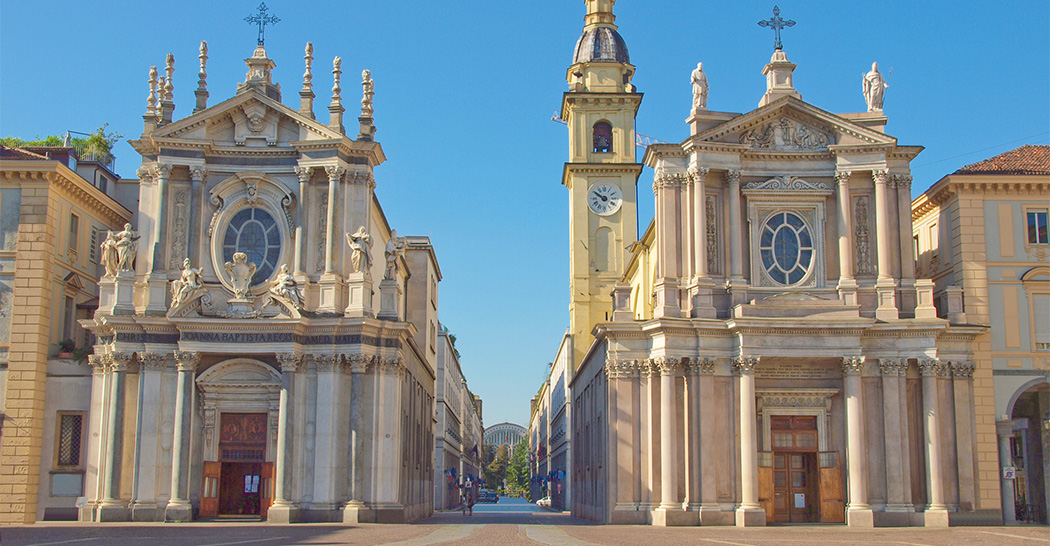
Elegant Art Nouveau cafés can be found along tree-lined boulevards throughout this northern Italian city. With its numerous art galleries and its diverse range of architectural styles, there is always a sight to behold. A turning point in Italian – and indeed, global, fashion took place in Turin in 1911, when the Turin Expo revealed the first pair of female trousers – designed by French tailor Paul Poiret – and subsequently sparked a fashion revolution. Excellent craftsmanship and tailoring skills define Turin’s approach to fashion, which is celebrated annually at the Torino Fashion Week. Don’t miss the unparalleled views of the city offered by the imposing building, the Mole Antonelliana. Named after its architect, Alessandro Antonelli, and originally intended to be a synagogue, the building – which appears on the Italian 2 cent coin – now houses the National Museum of Cinema.
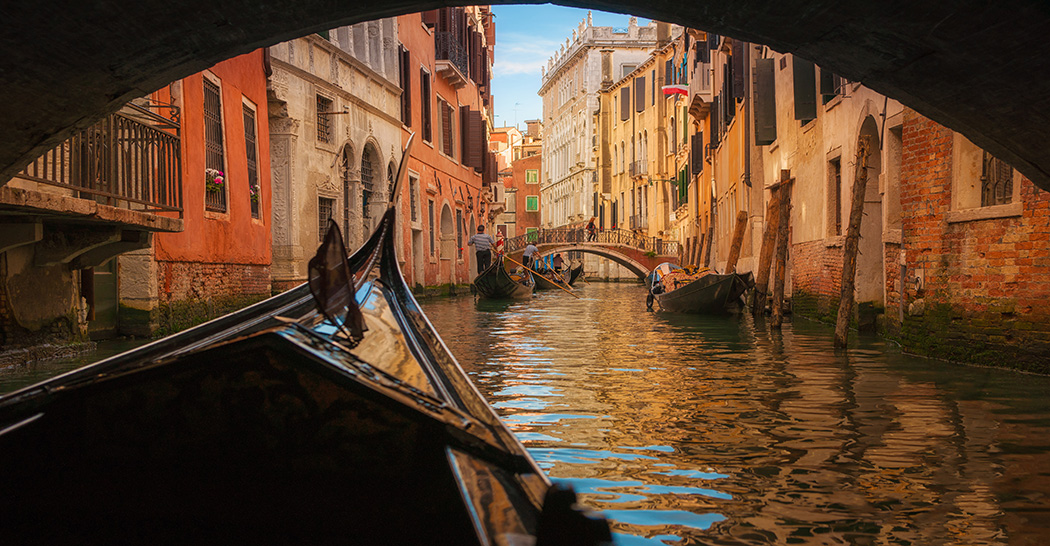
Built on more than 100 islands on the Adriatic coast, Venice is often thought of as one of the most romantic cities in Europe. Centuries of grand Venetian architecture, epitomised by the stunning St Mark’s Basilica, can be marvelled at while wandering through the city’s winding streets. Often associated with the tradition of elaborate masquerade balls, Venice is now home to the renowned Italian fashion house Roberta di Camerino, famous for creating the concept of the “It” handbag – an easily identifiable bag that acted as a symbol of status for its owner. The city continues its tradition of outlandish, boundary-pushing fashion in the many showrooms of its local artisans.