

 © European Heritage Label
Camp Westerbork: Remembering the past to protect Europe’s future
L-aħħar aġġornament sar fi It-Tlieta, 09/09/2025
As part of a new collaboration between the #EuropeanHeritageLabel and the Pool of Young Journalists in Europe — an initiative developed by Eurodesk in cooperation with the European Commission —, Friederike Kroeger visited the #EHL Site Camp Westerbork, in the Netherlands.
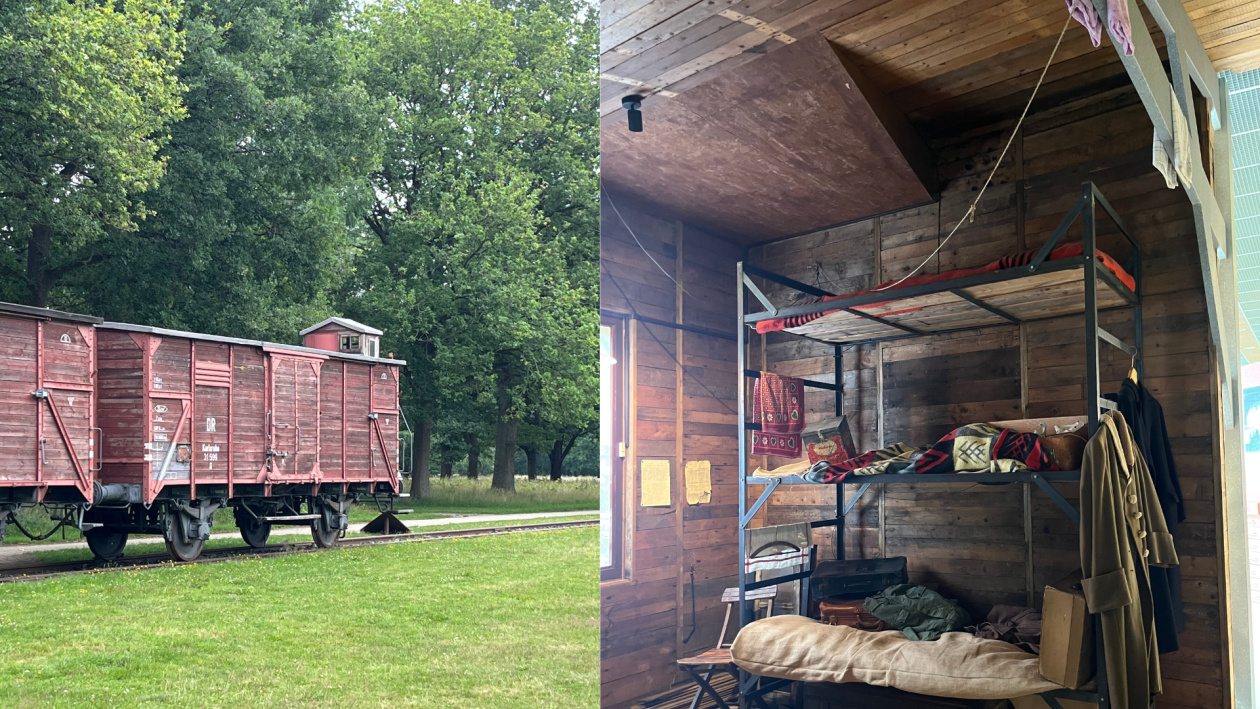
Hidden in the quiet woods of the Netherlands, Camp Westerbork is not a typical heritage site. Some railroad tracks and a few barracks are still left, the only thing that actually remembers from the time and seems horribly real is the house of SS camp commander Albert Konrad Gemmeker.
Otherwise, not much is left. Instead, it is a place of remembrance. Between 1942 and 1945, Camp Westerbork served as a transit camp during the Second World War, where more than 100,000 Jews, Roma and Sinti were held before being deported to extermination camps such as Auschwitz and Sobibor.
What makes the story of Westerbork even more tragic is that the camp existed before the German occupation of the Netherlands. When the Second World War began with Germany’s invasion of Poland, the Netherlands was still neutral. Many Jewish refugees fled there seeking safety, leading the Dutch authorities to build Camp Westerbork as a refugee camp. For a time, it was a place of shelter.
However, after the Nazis occupied the Netherlands, the existence of Westerbork served their purposes all too easily: many Jewish people were already gathered in one place, ready to be exploited for the deportation system. Today, Camp Westerbork stands as a reminder of what happens when human dignity is disregarded and freedom is taken away.
Recognised as a European Heritage Label (EHL) site, Camp Westerbork is not just a place to reflect on the past. It plays an active role in connecting historical memory to European values that are still relevant today: human rights, freedom, democracy, solidarity, and respect for diversity.
But why does a place so deeply tied to Europe’s darkest hours deserve such recognition?
A place of reflection and responsibility
On the tour of the site and the museum not far away, most visitors are silent.
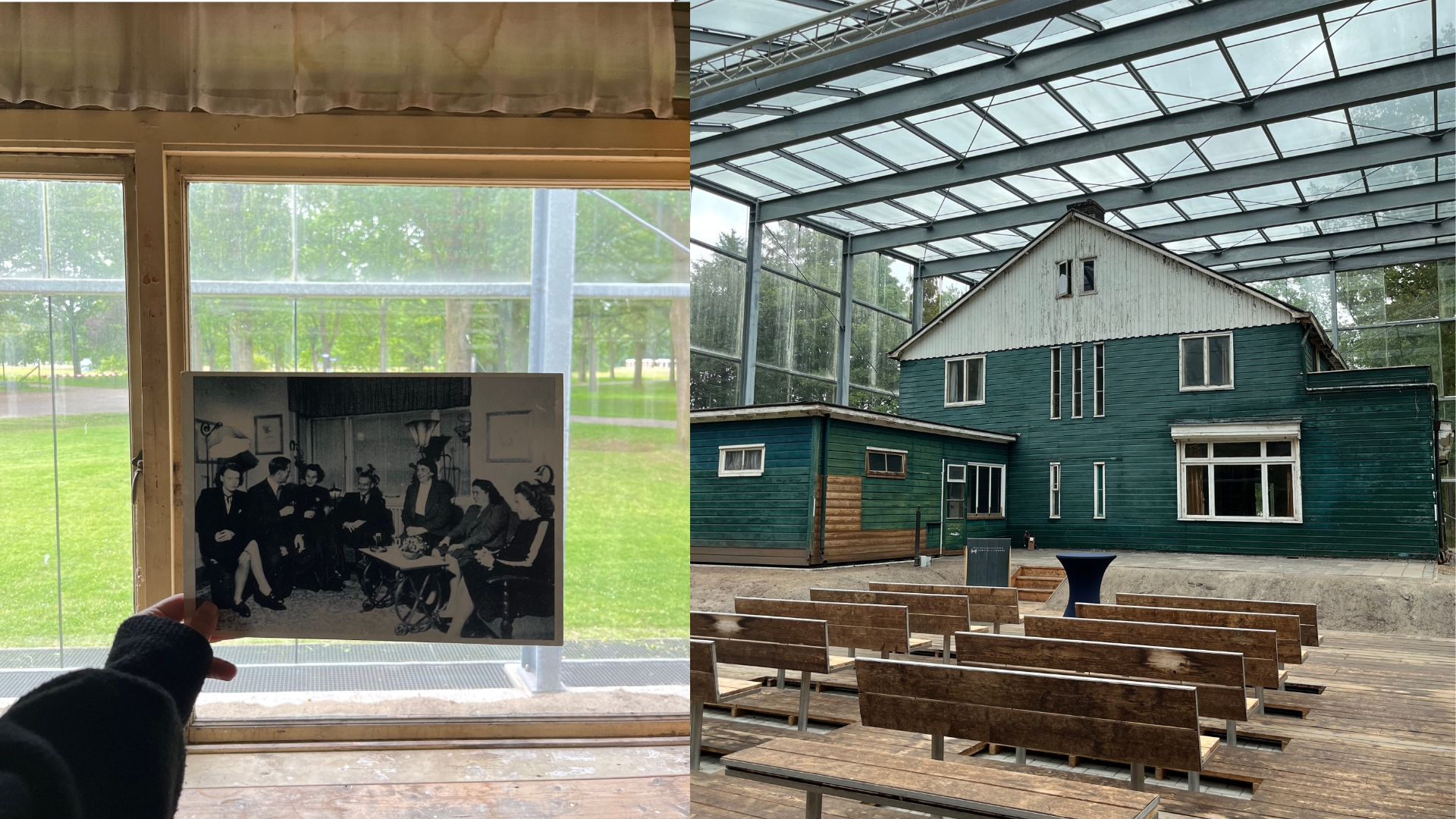
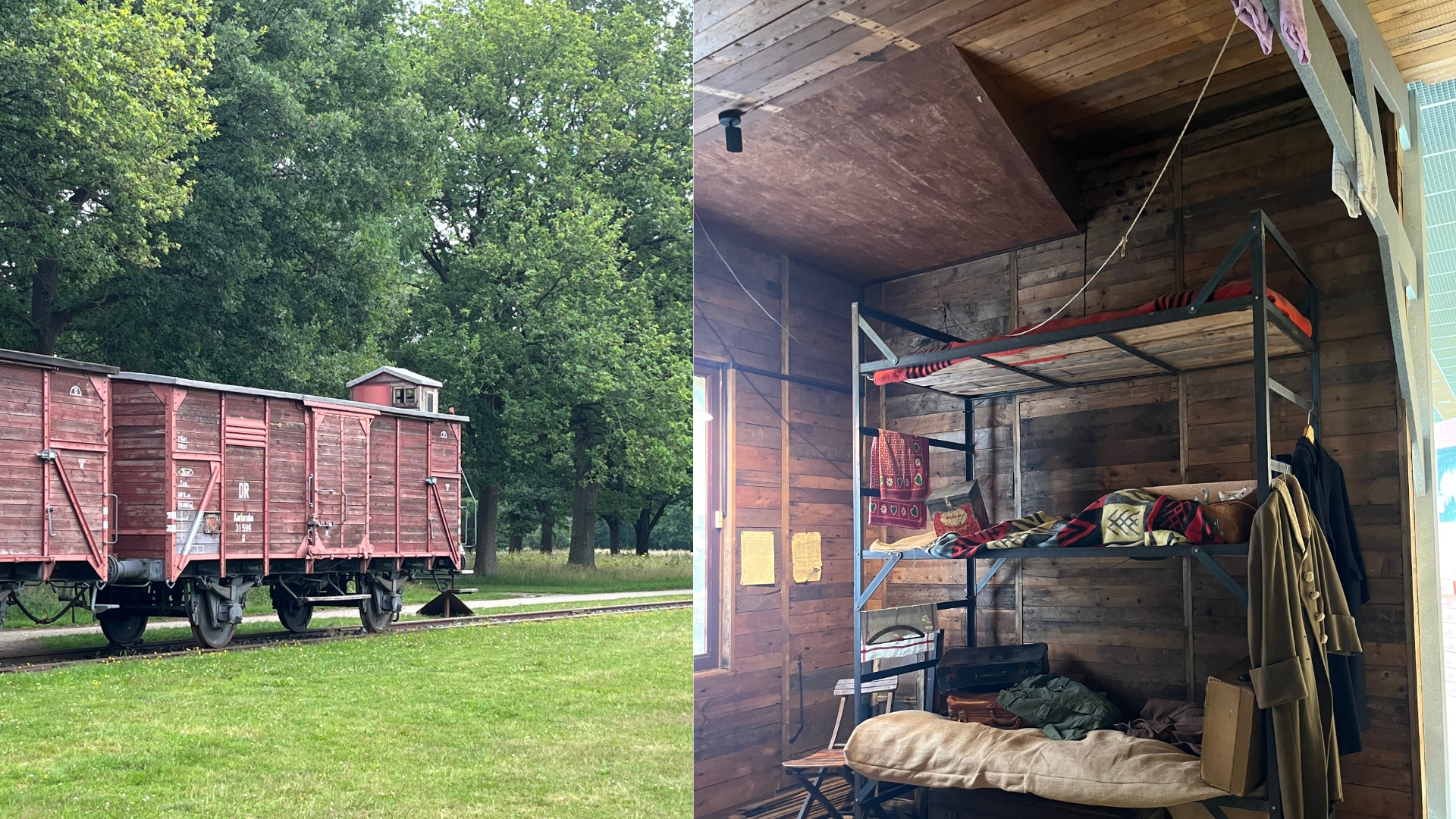
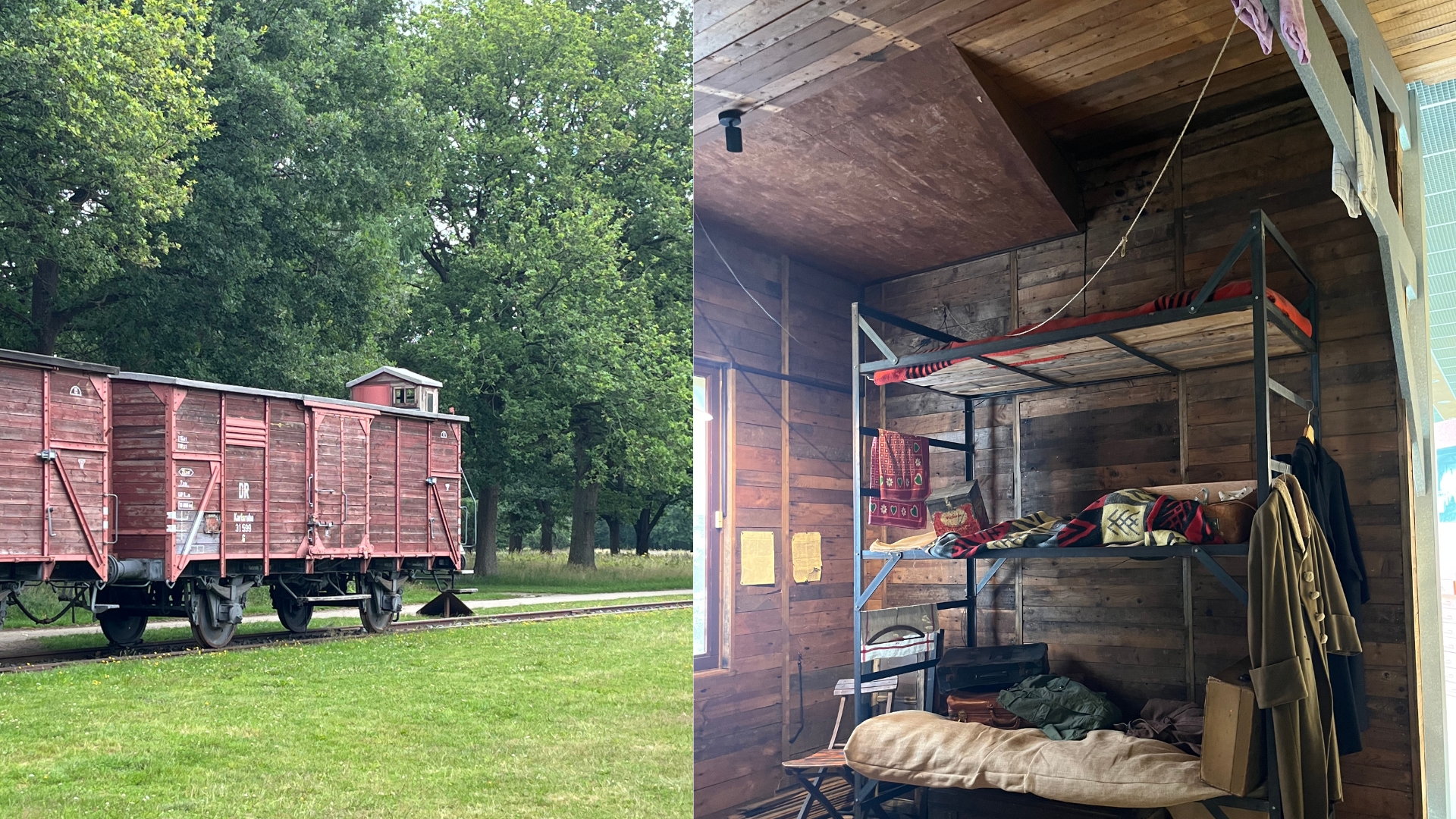
They stop at the wagon that stands as an example of those in which people actually traveled to their deaths. They look at the old barracks where the prisoners had to sleep in hard bunk beds. They stand in front of Gemmeker's old home, which is now protected by glass to prevent it from being damaged by the weather. He hides the cruelty that takes place outside his windows well. He gardens, throws parties and has a mistress in the house from which he looks out onto the tracks. These places not only tell the story of the victims, but also the story of a society that allowed systemic discrimination to take root.
The European Heritage Label acknowledges Camp Westerbork not only for its historical role but for the way it fosters critical thinking about Europe’s present and future. Memory here is not treated as passive remembrance but as a responsibility: to understand what led to such tragedies and how to prevent them from recurring.
“In history, you have the perpetrator, the bystander and the victim. That doesn’t change: you had that then and you have that now. But we can learn, for example “How do you become a perpetrator?” Because the camp commander of Westerbork was born as a lovely baby and a lot of perpetrators nowadays were born as lovely babies. So how does that happen and how can we take that lesson into the future and make sure that these babies become lovely adults?”
Bas Kortholt, researcher at Camp Westerbork
This connection between history and responsibility embodies a core European value: respect for human dignity. Human dignity is enshrined in the Charter of Fundamental Rights of the European Union, but its meaning can seem abstract to people growing up far away from war or persecution. Camp Westerbork transforms this abstract value into something visible and deeply personal.
Engaging the next generation
Camp Westerbork is not just a place for school trips or annual commemorations. It actively works to involve people in dialogue.
Through exhibitions, educational workshops and creative projects, the site invites visitors not only to learn, but also to reflect on what role they should play as citizens in today's Europe.
“I think it’s very important to include young people in everything we do at the memorial. We’re inviting them to engage on a personal level, connecting stories from their hometowns or other things they can relate to, such as hobbies.”
Tessa Bouwman, digital curator at Westerbork Memorial
European values like democracy and freedom, after all, are not guaranteed. They depend on active citizenship – people who are aware of their rights and willing to defend them. This is why engaging with places like Camp Westerbork matters: it transforms history from a distant narrative into a conversation about today’s choices.
From local tragedy to shared European heritage
Although the horrors of the Westerbork camp took place within the Dutch borders, the history of the camp is undeniably European. The systems of discrimination, control and violence that made Westerbork possible were not confined to one country. The recognition of the Westerbork camp as a European Heritage Label site is a reminder that Europe's past is common to all.
Solidarity is another European value that is closely linked to this recognition. The story of Westerbork shows what happens when solidarity breaks down, when neighbours become indifferent and when societies accept discrimination as normal. In today's Europe, where debates about migration, identity and human rights remain complex and divisive, remembering this past is a means of fostering empathy and unity.
Why memory still matters
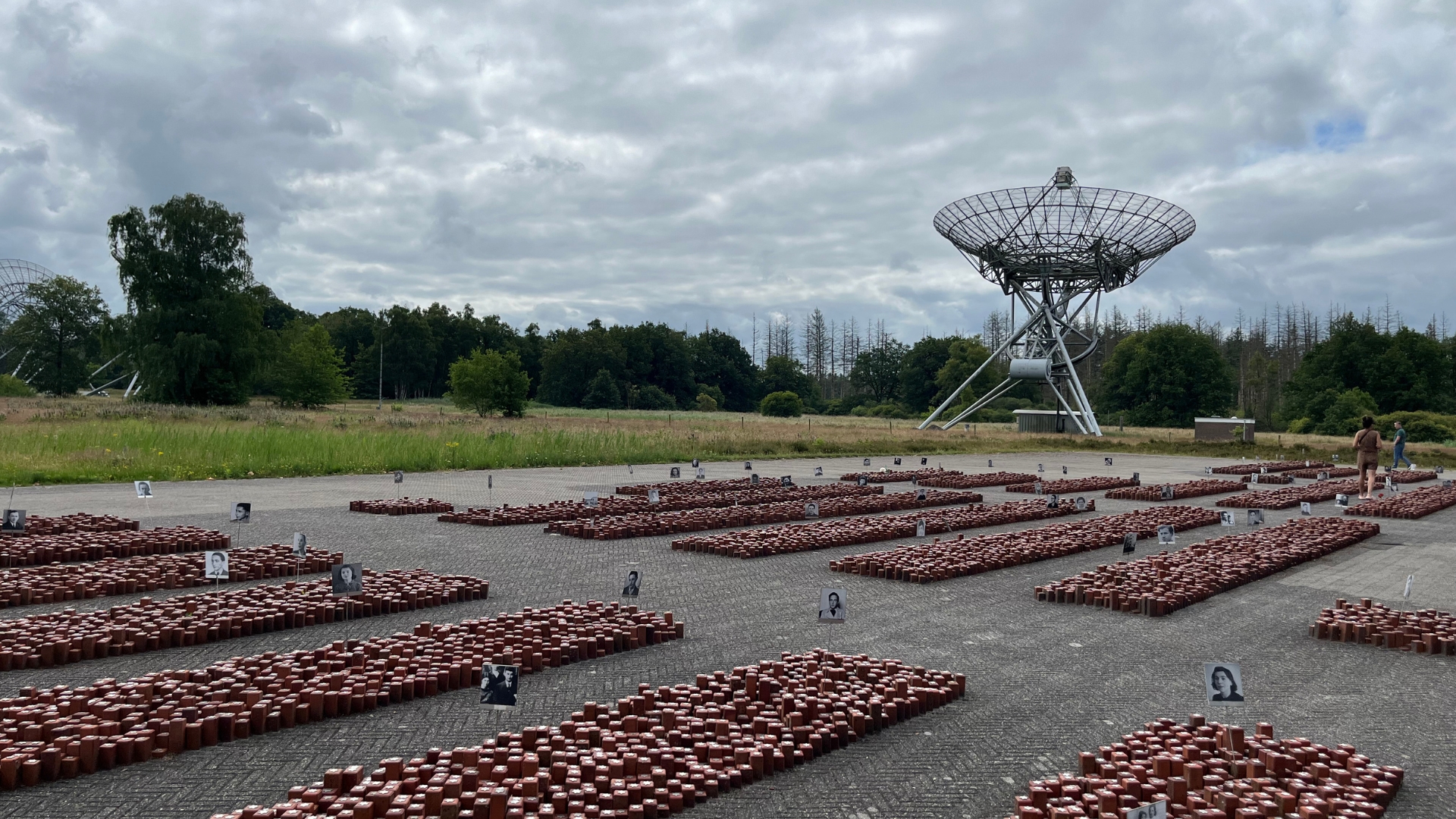
In conversations with visitors at Camp Westerbork, a common topic becomes clear: many express surprise at how personal the history feels once they walk the grounds. Reading about World War II in a textbook is one thing. Standing where it happened is another.
One visitor, aged 18, summed it up:
“There is a rise of far-right nationalism in Europe, and we seem to be slipping more towards this old idea that people aren’t equal. That’s scary to see.”
This awareness – that freedom and human dignity are not only a historical lesson, but also an issue that we must stand up for today – is perhaps the most important message that Camp Westerbork conveys to young Europeans.
Young Journalists in Europe - Meet the author
Friederike Kroeger
“I have always loved books, poetry, and languages. Over time, I started writing my own stories and became curious about exploring and uncovering new things. Now, I am studying journalism, where I can combine my passion for storytelling with my love for discovery. I enjoy travelling and always have a book with me wherever I go.”