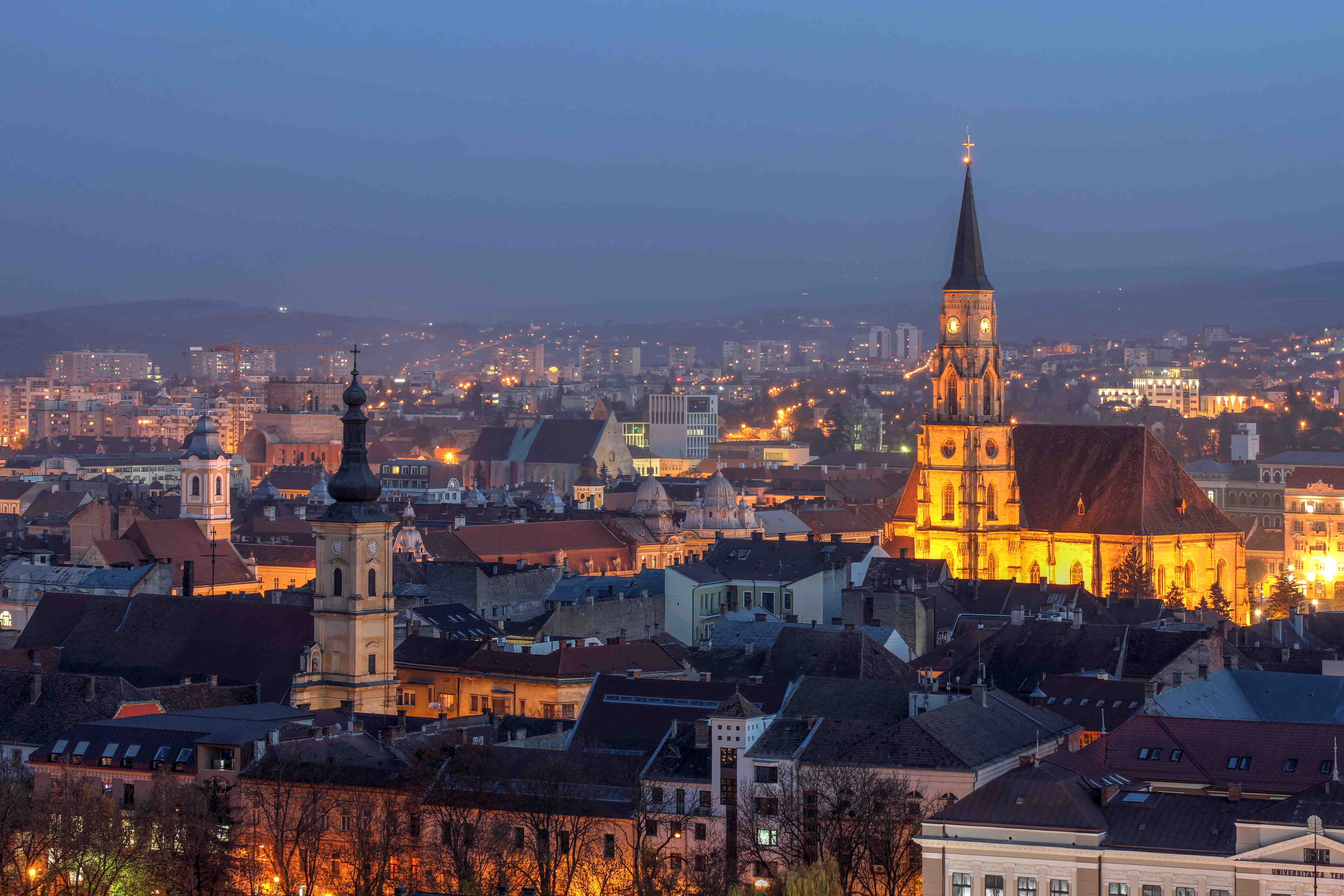

It’s time to take the train and go green! Stop at Novo Mesto in Slovenia. Its connection to nature has heavily influenced the history of the town. From the idyllic Otočec castle on the middle of an island in the river Krka to the hills of Trška Gora, dotted with vineyards and cottages, Novo Mesto offers amazing discoveries. Don’t miss the Breg to take in the scenes of these historic streets. If you are tired of walking, hop on an electric bus recently launched in the town. Novo Mesto aims to become a smart city by 2030. The city is working with Telekom Slovenije and SAP Slovenija to develop and install Smart City infrastructure throughout the city.
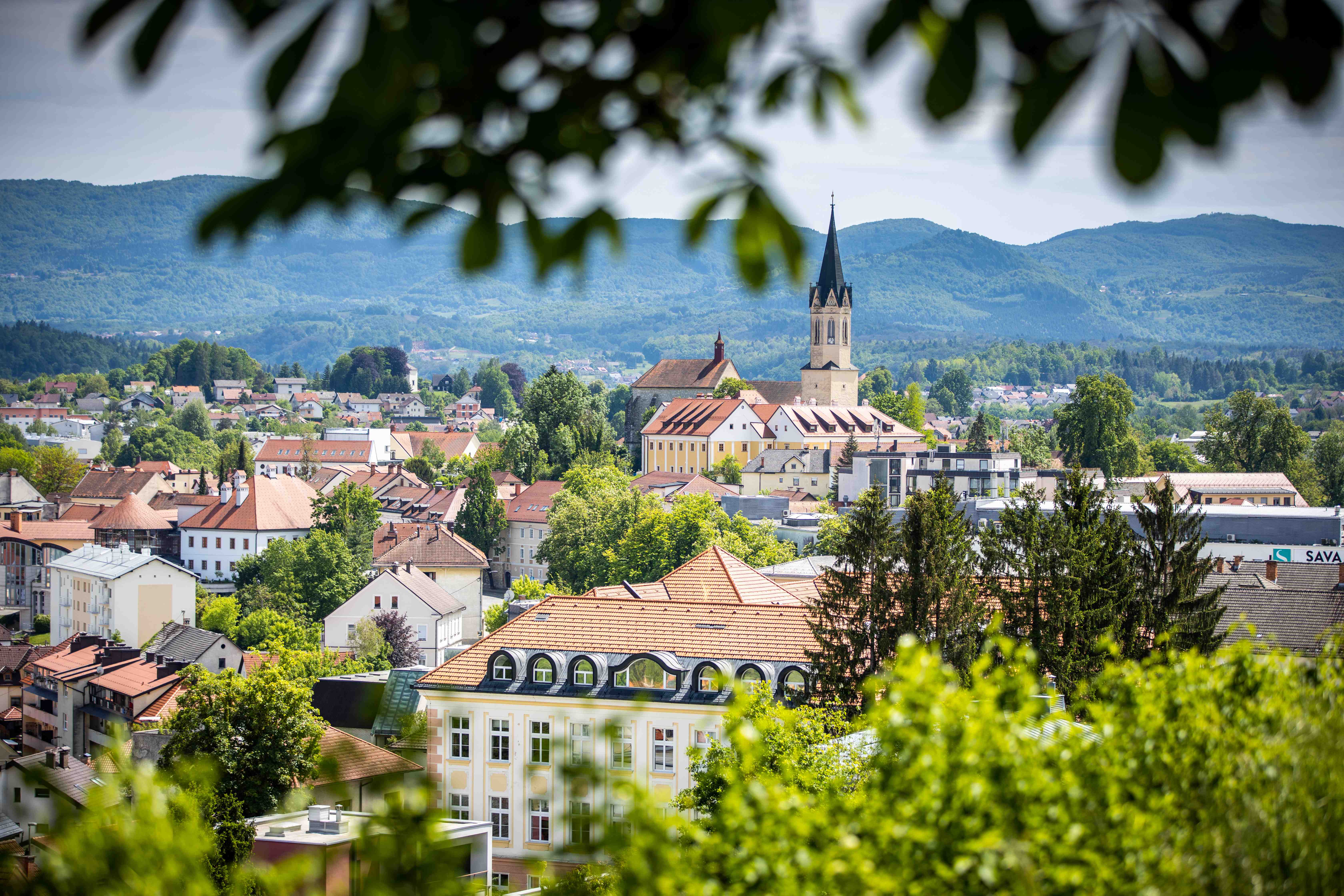
Willkommen in Wien!* From its gilded palaces to its famous residents (which have included musical maestro Mozart, painter Klimt, and Hollywood star Christoph Waltz), the Austrian capital is a must-visit for any traveller exploring Europe. Vienna was one of the finalists of the 2020 European Capital City of Innovation and aims to become a smart city in order to improve the quality of its inhabitants’ lives. To make the most of your trip in Vienna, download the Ivie app and ask all your questions to the city chatbot app. You will also be able to enjoy your sightseeing thanks to the Vienna Pass that will give you free access to more than 60 museums, sights and attractions in Vienna. And if you love Klimt, visit the Wien Museum to admire the biggest collection of his paintings. Vienna is also home to Werkbund Estates and the Imperial Palace, which were awarded the European Heritage Label in 2015 and 2019. From Habsburg splendour to interwar modernism, Vienna’s architectural diversity offers a unique look into European history.
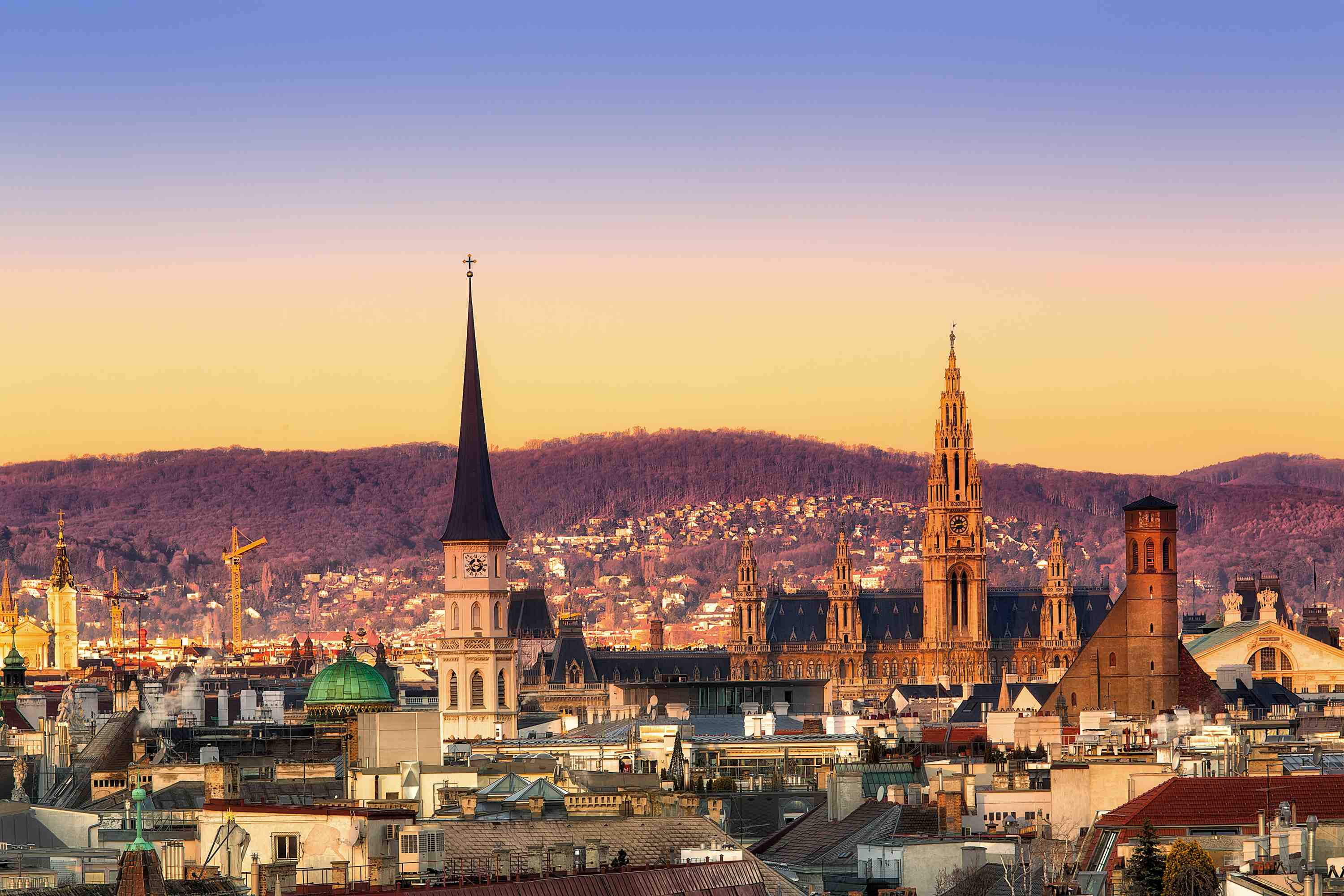
Your next destination’s nickname is ‘Little Vienna’. Can you guess where it is? Also called the ‘Hidden Heart of Europe’, Brno will charm you with its neo-Renaissance architecture, story book-worthy castles and the beautiful Brno Lake. While in this romantic Czech city, go to the top of the old town hall and enjoy breathtaking views for free. Take a break and have a coffee on the wide Náměstí Svobody square, with its pastel-coloured neo-Renaissance buildings. The city launched its Smart City concept in 2015 to introduce a smart transport network, more efficient ways to heat and illuminate buildings, and facilitate digital engagement between citizens and government. Brno’s Werkbund Estate, one of several awarded the European Heritage Label in 2019, is a must-see for its showcase of influential interwar European modernism. Make sure to also follow the Historical Trail “Brno Calls the World!” along the sites associated with the secret broadcasting of the Brno television studio in the first days of the occupation of Czechoslovakia by the Warsaw Pact troops in August 1968. The trail is part of the Free Speech Space EHL site, awarded the label in 2025, educating about 20th century Czech resistance to censorship and the struggle for freedom of expression under totalitarian regimes.
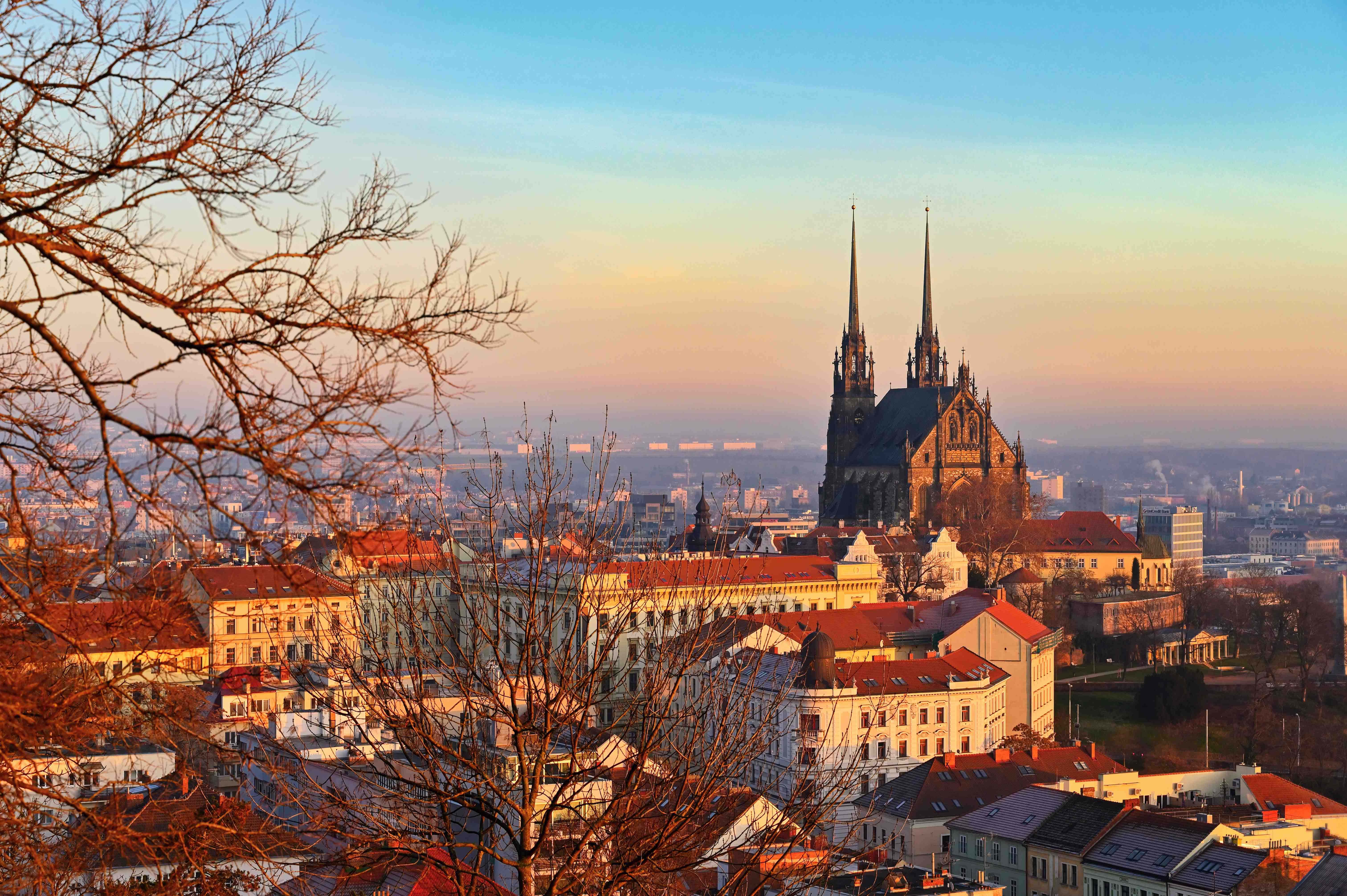
Are you looking for an arty destination? Add Kosice to your DiscoverEU itinerary! Located in the most easterly part of Slovakia, Košice is a UNESCO Creative City of Digital Arts and acts as a global hub for digital arts professionals. The city’s status as an innovative hotspot for the digital arts is being reinforced through EU-funded projects such as Košice 2.0, which aims to support experimental sustainable urban development projects in the digital and technological sectors. While in Košice, walk down the Hrnčiarska street, also known as the “Crafts Lane”. Many local craftspeople have shops selling honey, embroidery, baked goods, pottery, and even local herbs on this quaint, cobblestoned street, making it the perfect place for souvenir shopping.

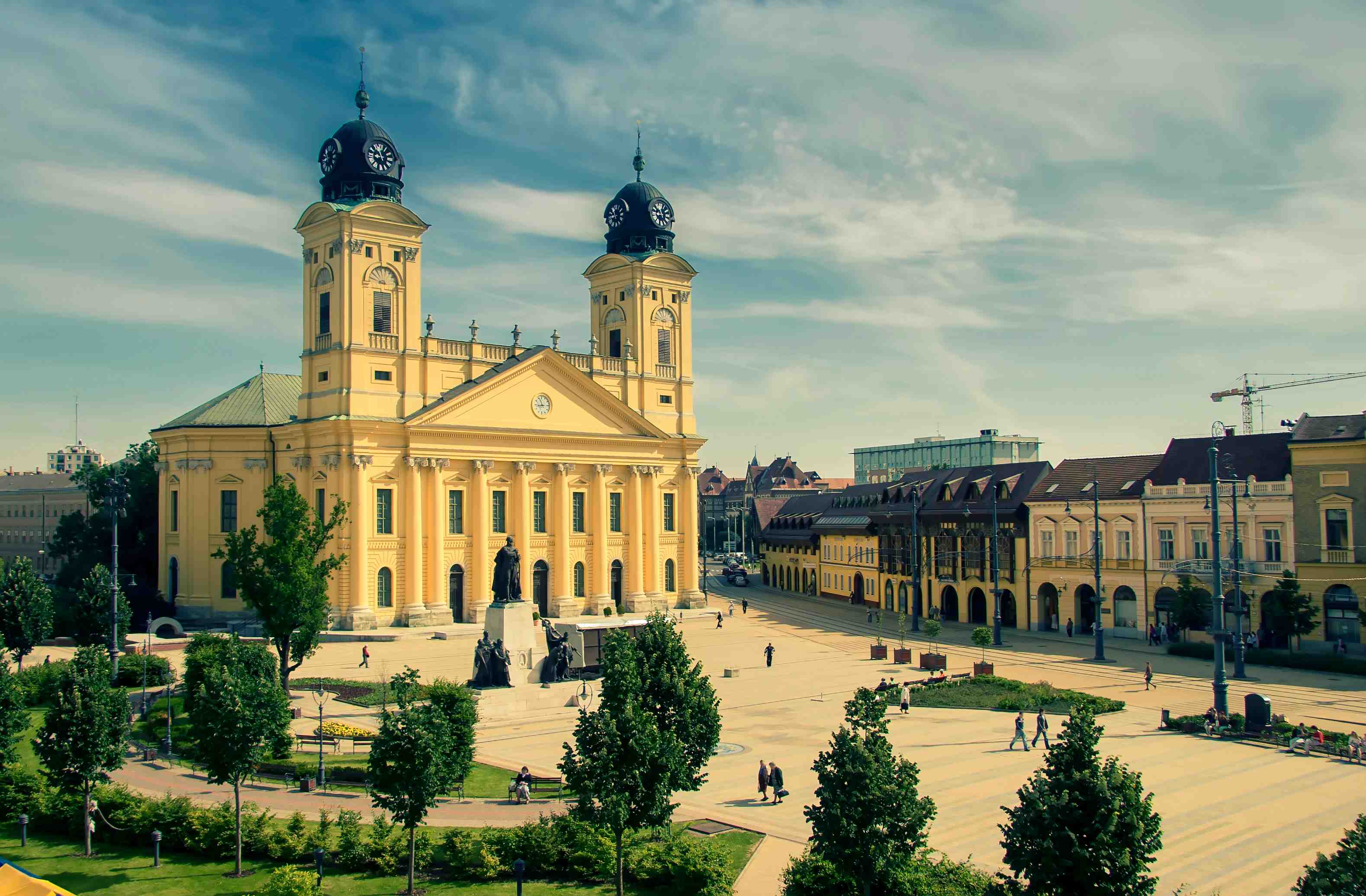
There’s more to see than first meets the eye in Debrecen! Here are some reasons why you should add the Hungarian city to your DiscoverEU trip. The second-largest city in Hungary stands in the Northern Great Plain and offers many green spaces. The Nagyerdei Park is a peaceful haven with woodland, landscaped paths, outdoor artworks and cycling paths. Debrecen aims to fully implement a smart energy management system to reduce emissions by 80% by 2050. While there, watch out for the QR codes dotted around the city providing up-to-date tourism information, take advantage of the free WiFi around the city and on the trams, and keep your devices charged with a visit to the Energy Mushroom, a solar-powered charging point in the city centre.
A great place to visit, Cluj-Napoca offers beautiful squares, hidden streets, out-of-the-ordinary cafés and vivid nightlife. The Romanian city was recognised as European Youth Capital 2015 and the first Eastern European city to make it to the final stage of the European Capital of Innovation Award 2020. The city has a network of 18 free WiFi hotspots that will be convenient to either look for some politeness translations or find your way in the city centre. While in Cluj, take some time to relax in a hammock of its Central Park, visit the Romulus Vuia Ethnographic Park to learn more about Transylvanian History, and mingle with local students in one of the Piezișă Street’s vivid bars.