
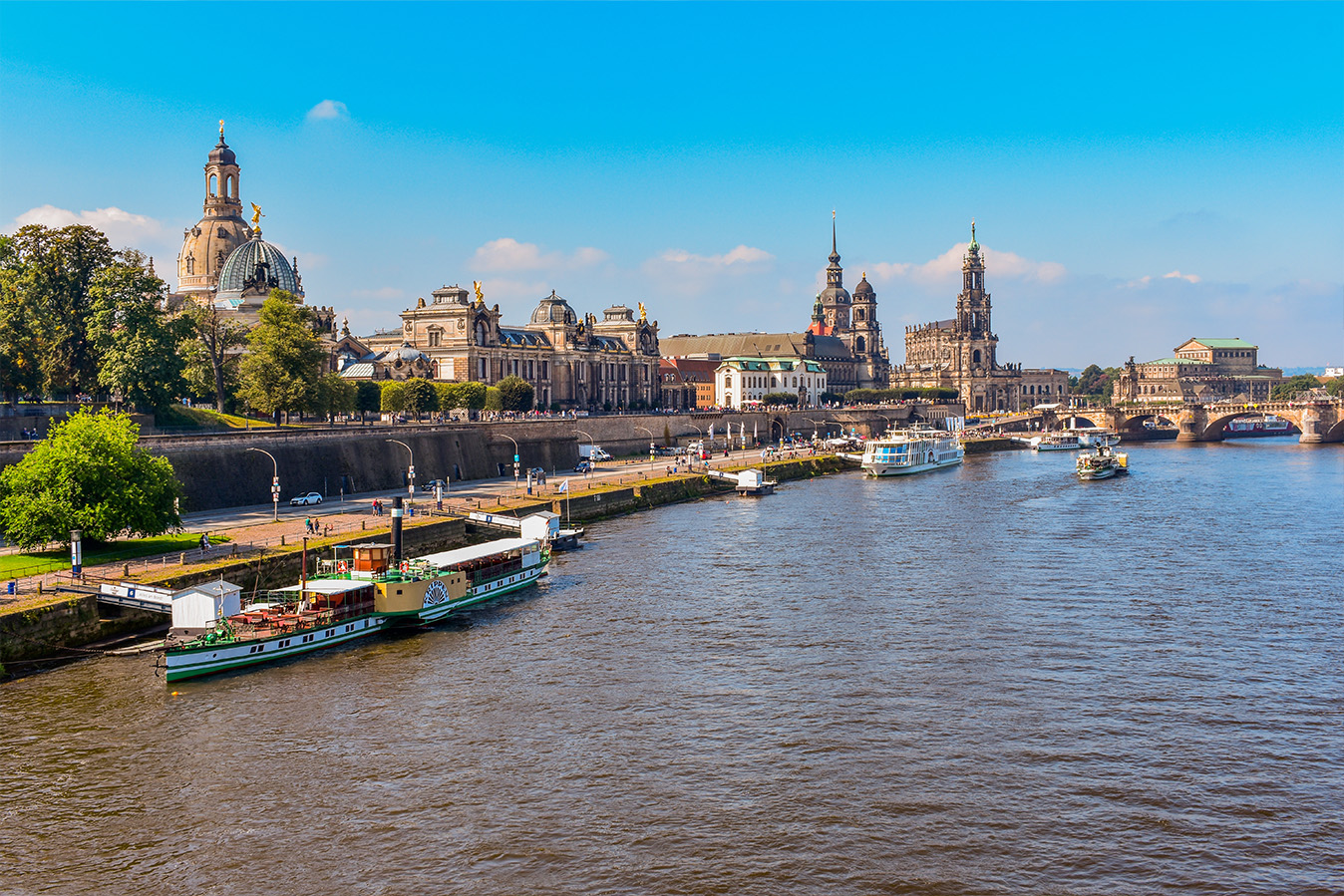
A constantly evolving German city, Dresden fully represents the power of urban rebirth and evolution. The city combines ancient beauty and contemporary urban development, with several reconstructed historic buildings perfectly merged into a unique modernist and dynamic landscape.
The Kraftwerk Mitte, a former power station which is now a cultural and artistic melting pot, and the Kulturpalast Dresden, built in 1969 and twice reconstructed in the last few years, are just two examples that make Dresden the ideal city in which to experience the New European Bauhaus (NEB).
While you’re there, taking in the city’s historical urban rebirth, be sure not to miss Dresden’s modern twist. Discover the incredible design of the UFA Cinema Palace on Prager Street, or the dome on the Yenidze building – a former cigarette factory.
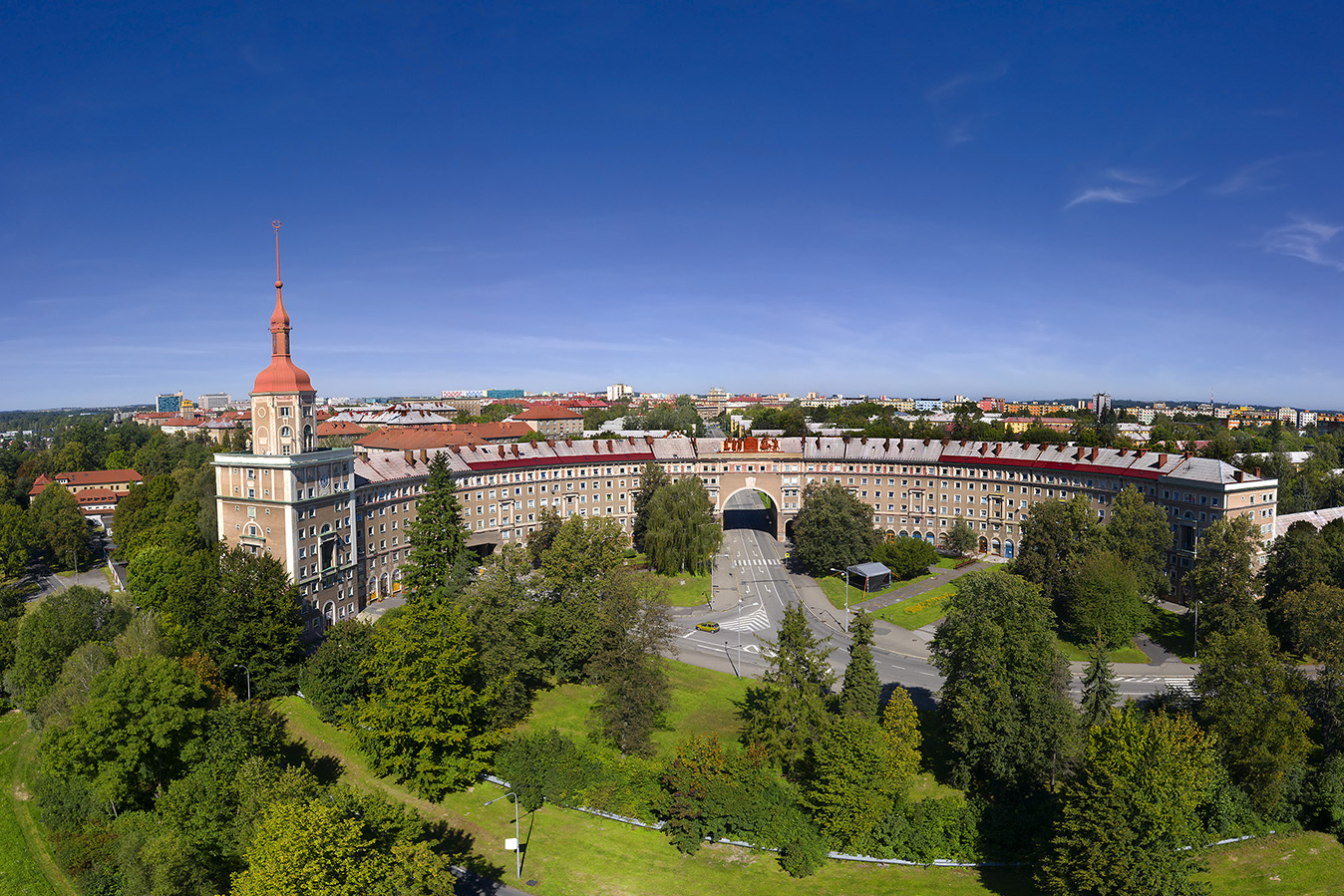
Visit Ostrava to discover the fascinating mix of urban designs in the Moravian-Silesian region of Czechia. Historic at heart, but filled with Soviet and post-industrial landscapes, Ostrava welcomes modern and revolutionary thinkers with its eclectic and dynamic atmosphere.
Here, in complete harmony with the values of the New European Bauhaus (NEB), modernity embraces nature and sustainability. There’s the active revitalisation of city parks and old industrial buildings, the creation of cycling routes, and a solid commitment to reducing CO2 emissions by 2030. Ostrava also thrives on inclusivity and social development. A recently revealed design for Czechia’s tallest skyscraper shows plans to host offices, residential units, a hotel and much more.
While you’re visiting, don’t miss the chance to learn about the city’s industrial roots by exploring the Dolní Vítkovice, a former industrial site now converted into an open-air museum and arts venue.
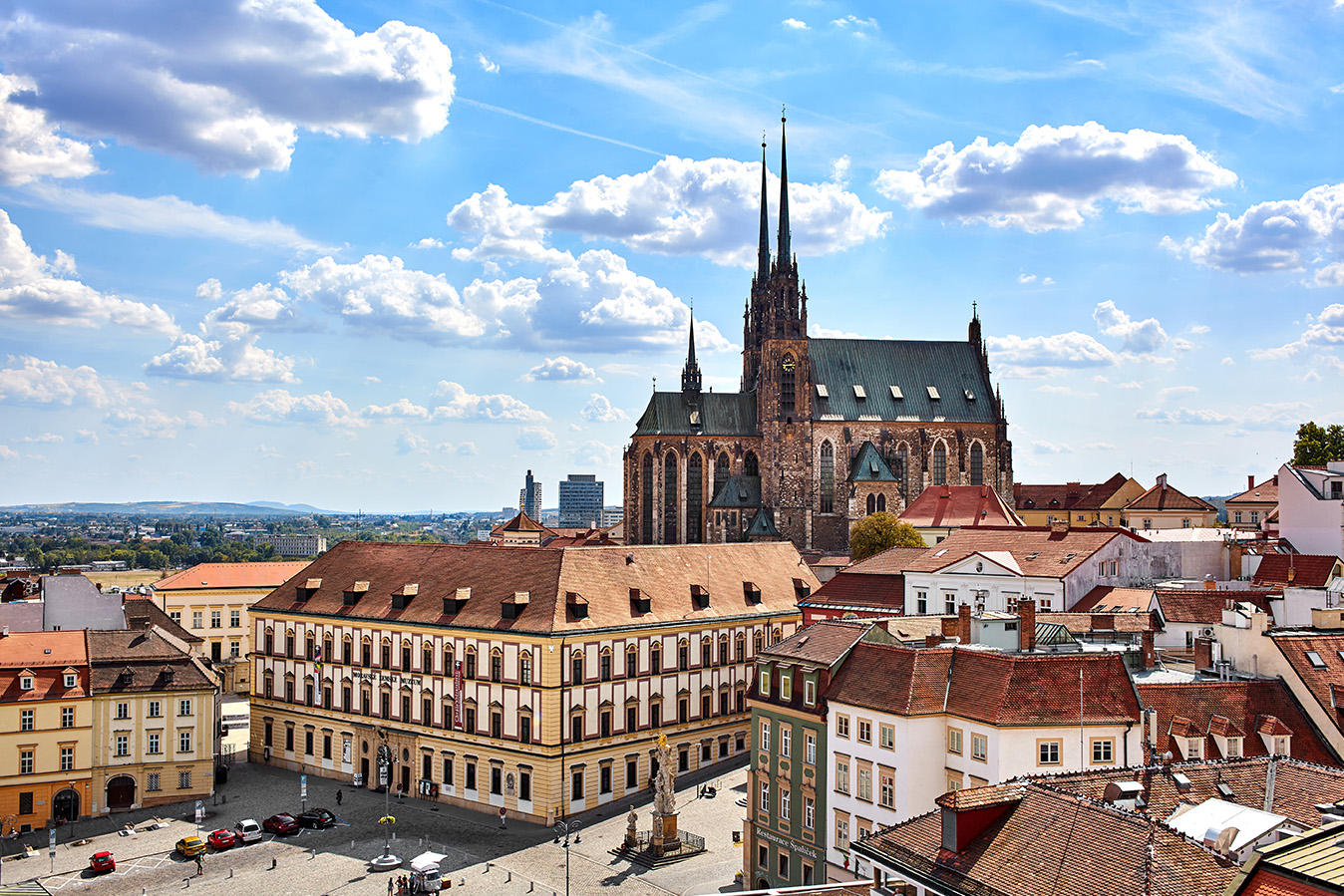
A city involved in sustainable urban planning and design, flagship of the New European Bauhaus (NEB), Brno majestically mixes an old historical feel with modern buildings and installations. The city is all about repurposing and restructuring former industrial sites, like The Distillery: Social Reactor, which is now a cultural centre bustling with artistic and social initiatives.
Take the opportunity to visit the Brno Exhibition Centre, where the City Cell Prototype – a wooden sculpture collecting data on urban greenery plantation and rainwater management – is now installed.
Brno is a key city where the foundations of the authentic Bauhaus reside. And there is no better proof of that than the Tugendhat Villa, a modernist flagship building designed by one of the pioneers of modernist architecture – German-American architect Ludwig Mies van der Rohe – and listed as a UNESCO World Heritage Site.
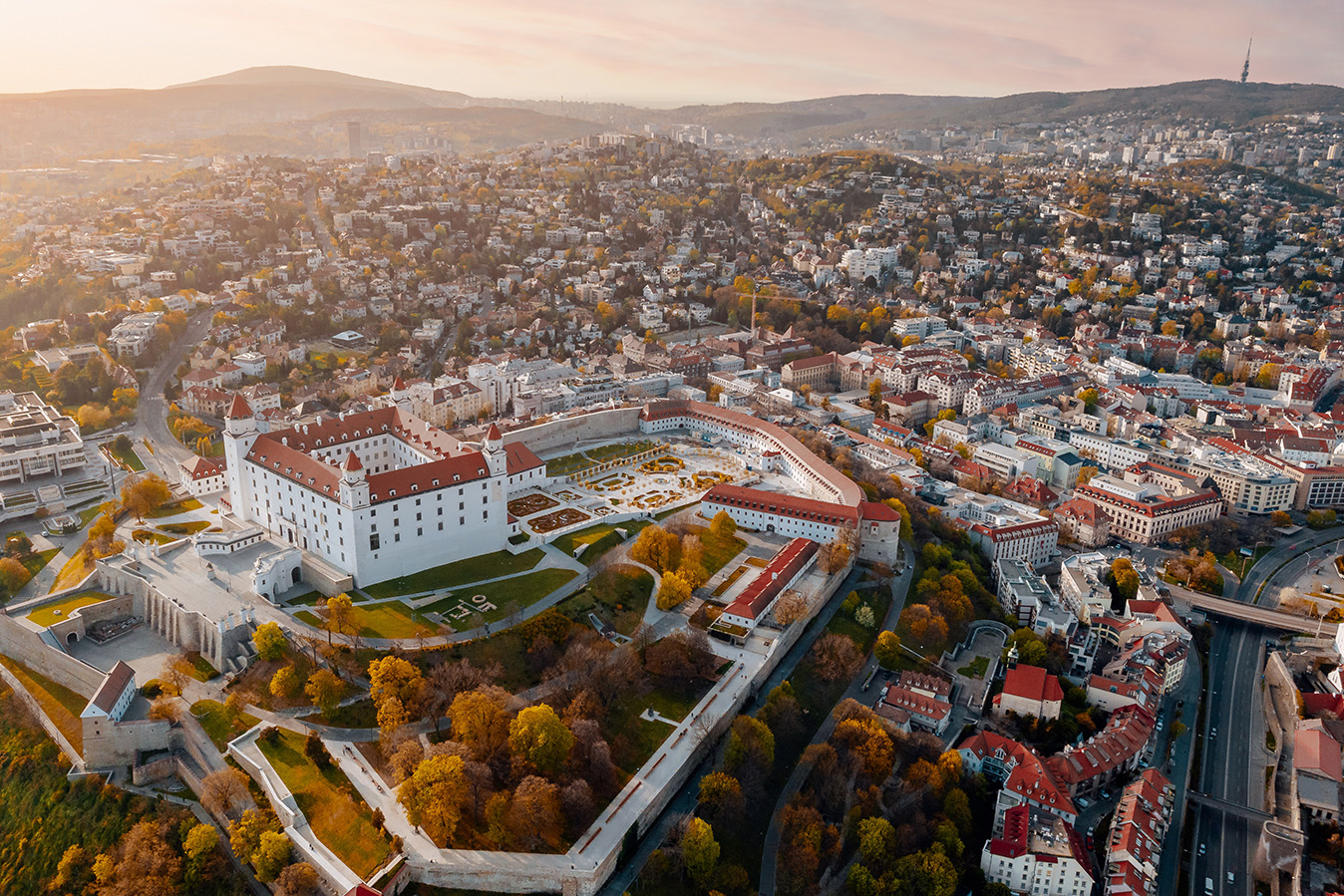
Bratislava is Slovakia's political, cultural and economic heart. Combining old and contemporary buildings in wide natural landscapes, and fully embracing the values of the New European Bauhaus (NEB), it offers an open-air spectacle at every glance.
The city thrives on sustainable modernisation, art and education. One great piece of its modernist, Soviet architecture is the Most SNP (Bridge of the Slovak National Uprising). High above you’ll see a UFO-shaped deck and restaurant offering a full aerial view of the city and the Danube River.
Take a walk to Námestie Slobody, the city’s Freedom Square, with the majestic steel Družba fountain at its centre surrounded by green spaces. Along the way, don’t forget to stop by the incredible Slovak Radio building, an inverted pyramid structure that will leave you speechless. And if you love sustainable wooden architecture, make sure you don’t miss the Korzo Zálesie with its peaceful, natural atmosphere, also featured in the New European Bauhaus Compass.
Want to discover more? Bratislava’s modernist facades – and the stories behind them – are well captured on the Instagram page @modernistbratislava
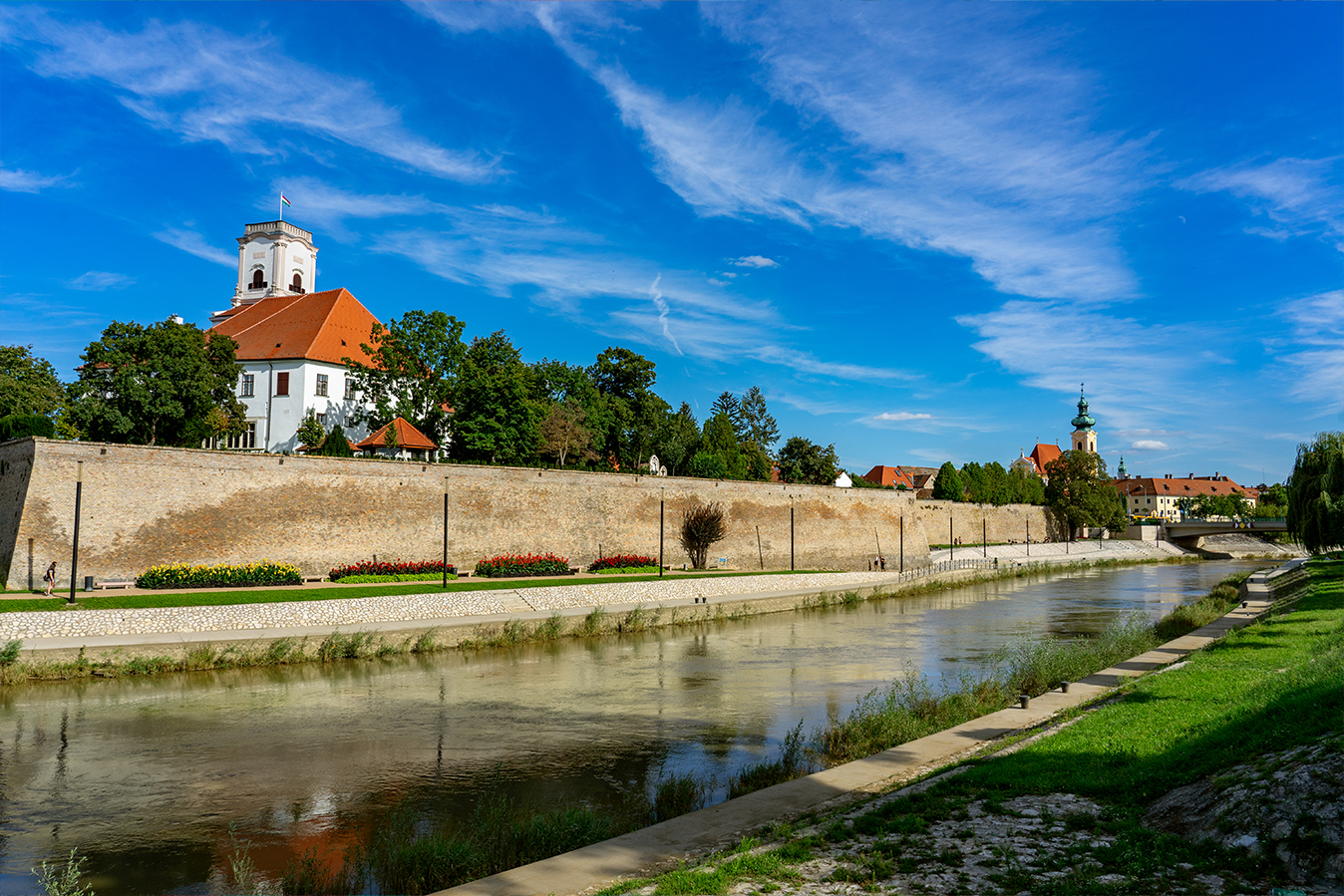
The sixth largest city in Hungary is a great example of the values and objectives of the New European Bauhaus (NEB). Győr is a lively place that thrives on progress and evolution. Since the 1970s, the city has undergone a series of transformations to become a balanced, sustainable urban landscape. The city has made future-focused investments in becoming a smart city, as well as renovating its squares, buildings and monuments, and introducing a free city bus service.
Győr’s atmosphere will make you feel you’ve travelled back in time – a testament to the harmony between its past and future. Take a walk among the city’s many central buildings, and you’ll discover that they are well-preserved monuments – like the Saint Ignatius Benedictine Church, with its breathtakingly detailed baroque interior.
What’s more, the Széchenyi István University in Győr recently launched a Design Campus – aiming to become a regional creative industry centre and innovation hub focused on openness, flexibility and problem-solving thinking. And while strolling along the Danube, don’t miss out on a true masterpiece of modernist architecture by the beach: Rudolf Pilt’s changing room and buffet.
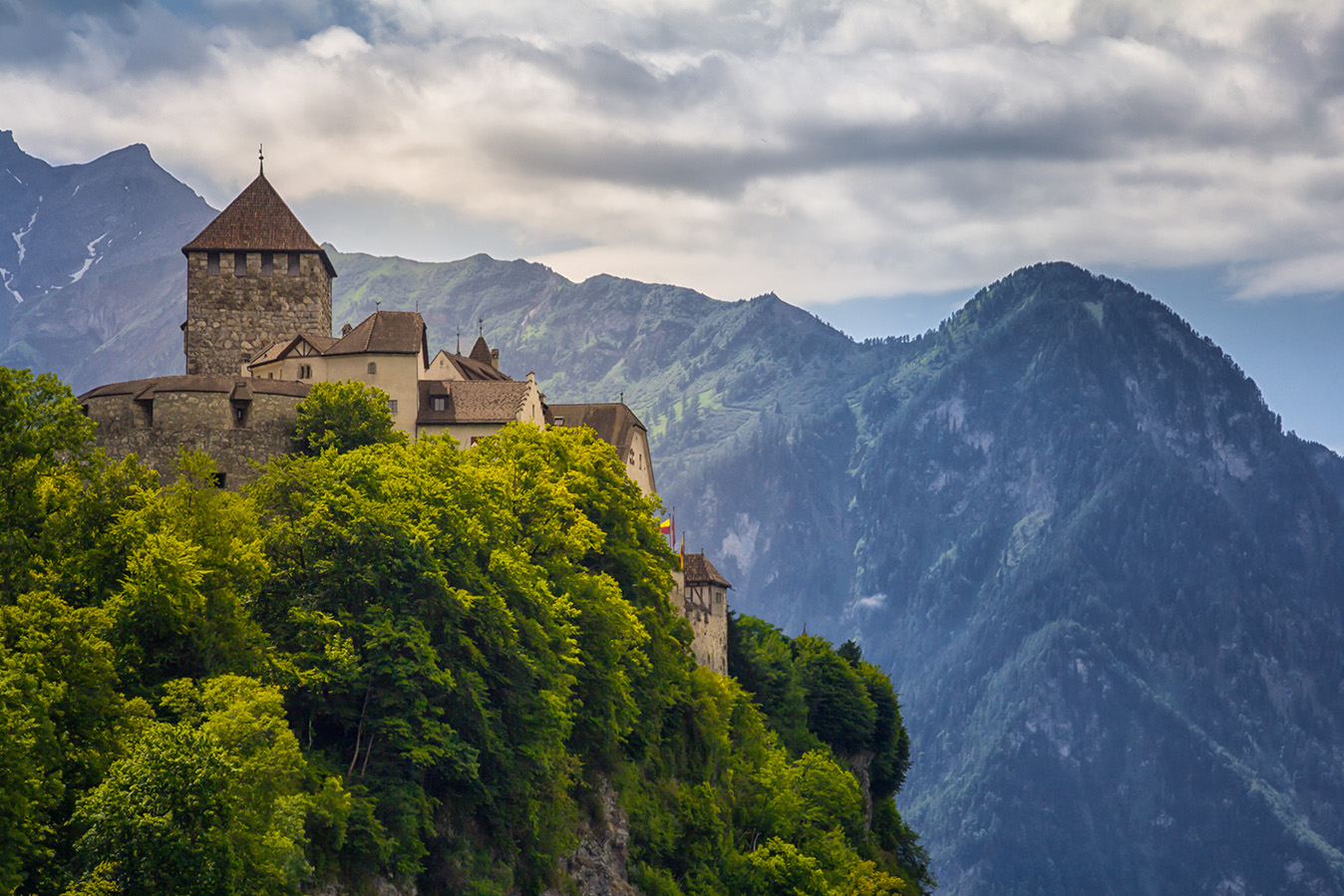
Home to the Prince of Liechtenstein, and an extremely progressive place, Vaduz offers all the advantages of a city of the future. Thanks to the introduction of a car-free initiative in the city centre, you will be able to roam freely through its picturesque streets and soak up its historical atmosphere.
In strong contrast, and yet perfectly integrated with the green, natural landscape of the Rhine Valley, you’ll find a great piece of contemporary architecture in the Kunstmuseum Liechtenstein. This ultra-modern building, which houses one of Europe's oldest private art collections, has been nominated for the European Union Prize for Contemporary Architecture – Mies van der Rohe Award. This black box of tinted concrete surrounded by river pebbles and long rows of windows will leave you hypnotised.
Vaduz is also home to the Active Energy Building, an eye-catching glass-and-steel structure that produces more energy than it consumes due to its exclusive use of geothermal and solar energy. And if you love the idea of crossing borders, you can visit the last remaining wooden bridge on the Rhine – the Alte Rheinbrücke – a unique 135-metre bridge linking Liechtenstein to Switzerland.