Outcomes of the EU Youth Conference under the Irish Presidency
poslední aktualizace pátek, 09/10/2026
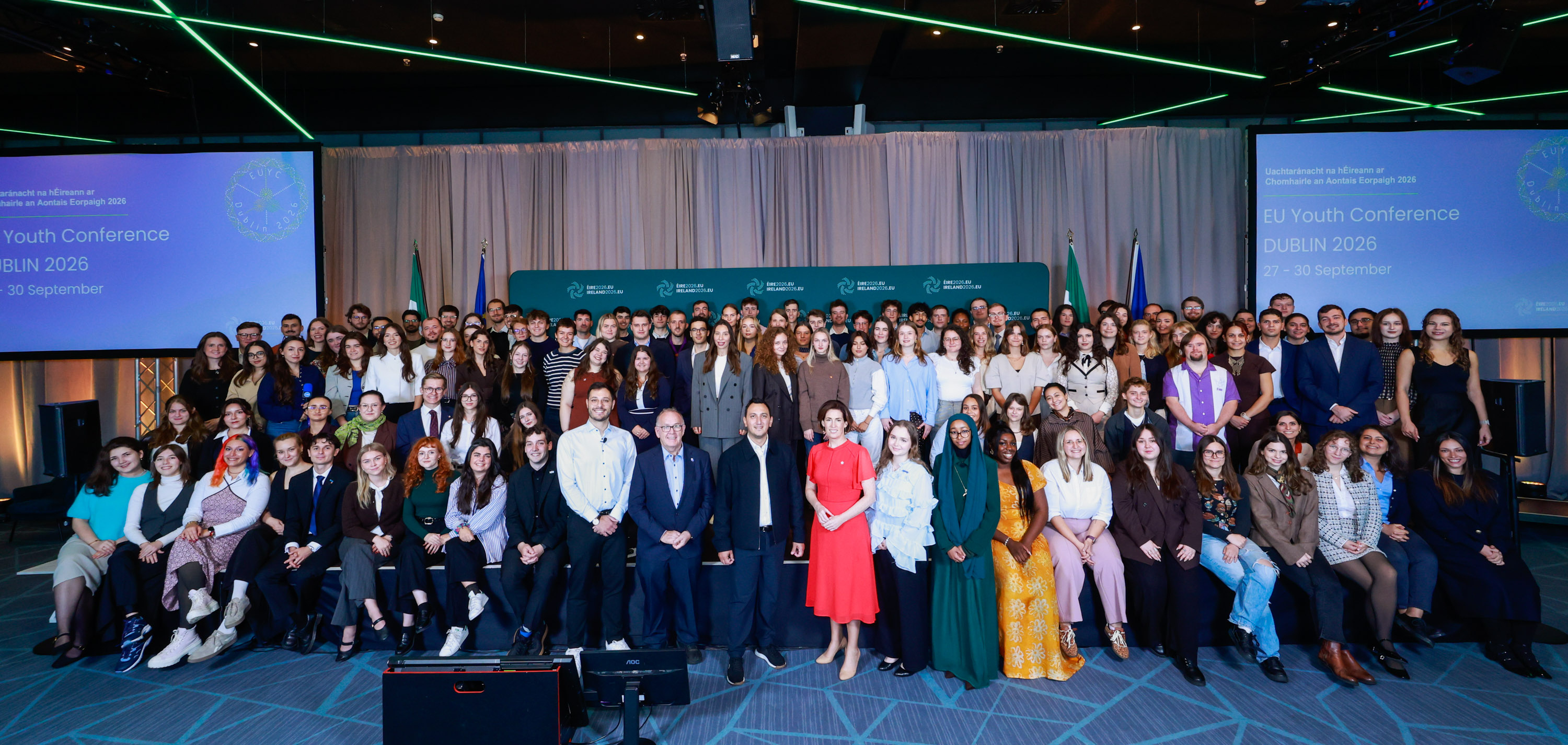
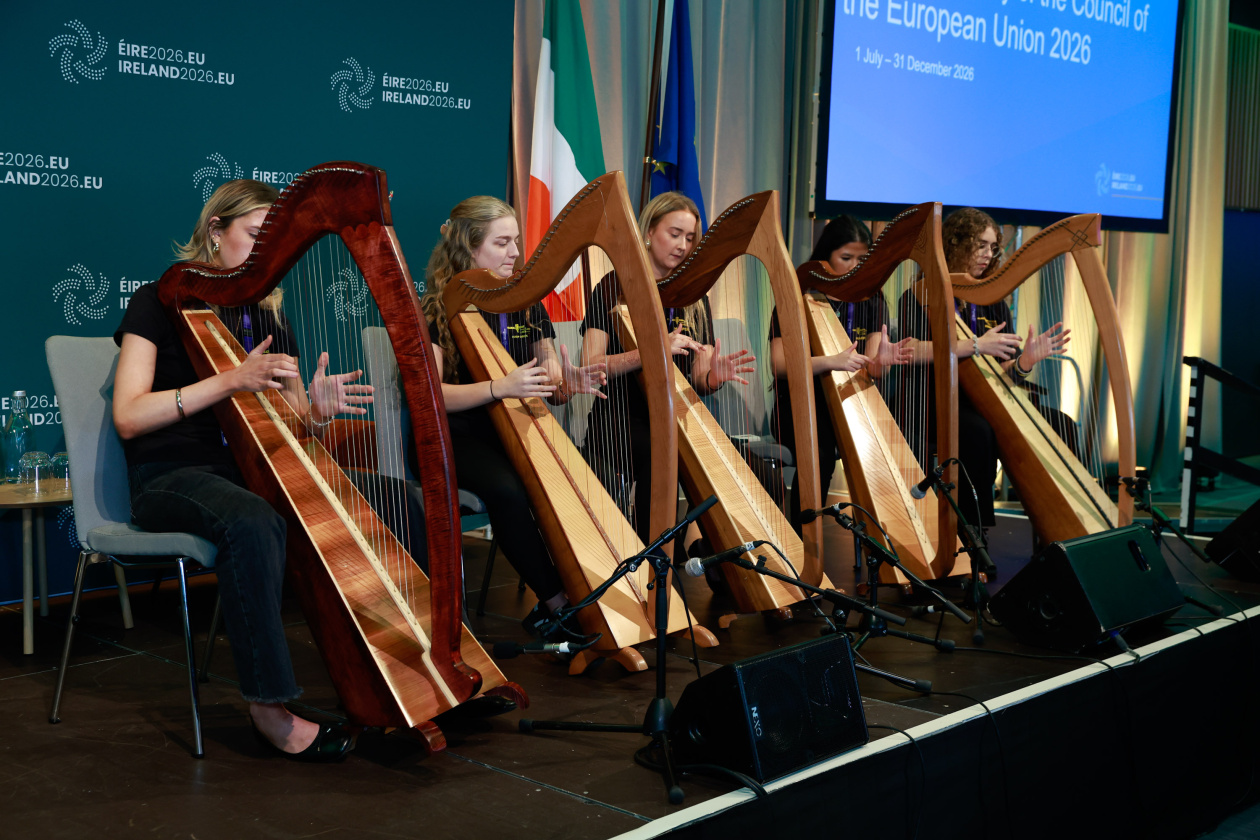
From 27 to 30 September 2026, youth delegates, representatives of youth organisations, policymakers and researchers gathered in Dublin, Ireland, for the EU Youth Conference organised by the Irish Presidency of the Council of the EU.
The conference was the first of the 12th cycle of the EU Youth Dialogue, EU’s largest youth mechanism for consulting young people and bringing their ideas into policymaking. The 12th cycle, under the Irish, Lithuanian, and Greek Presidencies, is linked to Youth Goal 4: ‘Information and Constructive Dialogue’.
About 300 participants (more than half of them young people!) from nearly 40 countries discussed and worked together on recommendations for empowering young people to be critical and responsible users of information, and on the revision of the European Youth Goals.
The European Youth Goals reflect the issues that affect young people in Europe and the priorities that are important to them. The current goals are annexed to the EU Youth Strategy (2019-2027).
‘Let’s build tomorrow together’
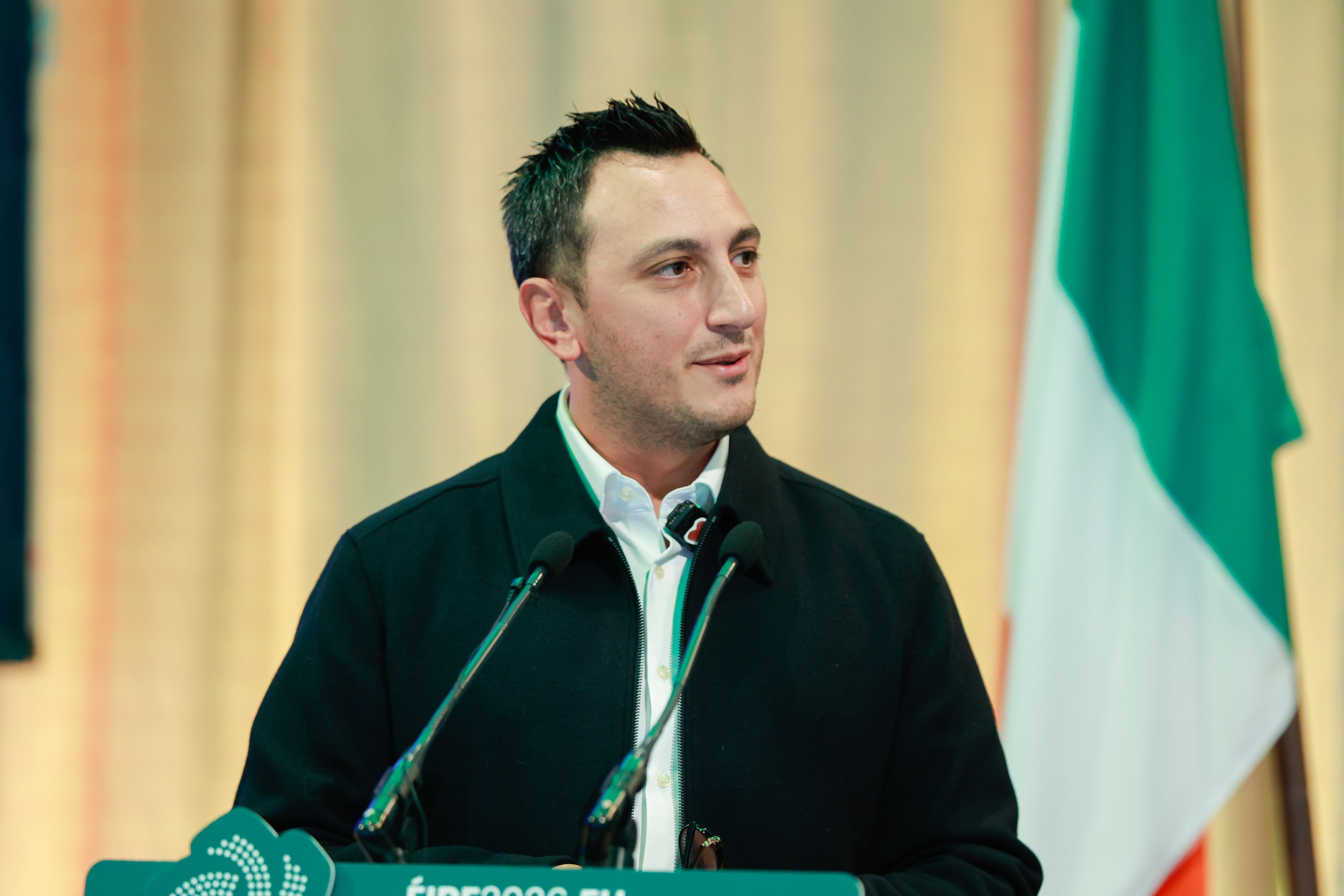
At the official opening of the EU Youth Conference, Hildegarde Naughton, Irish Minister for Education and Youth, welcomed the youth delegates and reiterated Ireland’s commitment in ensuring that young people’s voices are heard and reflected in policymaking. Glenn Micallef, European Commissioner for Intergenerational Fairness, Youth, Culture and Sport, highlighted information challenges of the modern age, which impact young people’s ability to engage in constructive dialogue. He also underlined the importance of revising the European Youth Goals so that they reflect the evolving priorities of young people. Maria Markkula, Board Member of the European Youth Forum, stressed the importance of the EU Youth Dialogue as a space where young people and decision-makers can directly interact and called on for decision-makers to make young people’s recommendations a reality.
The working groups
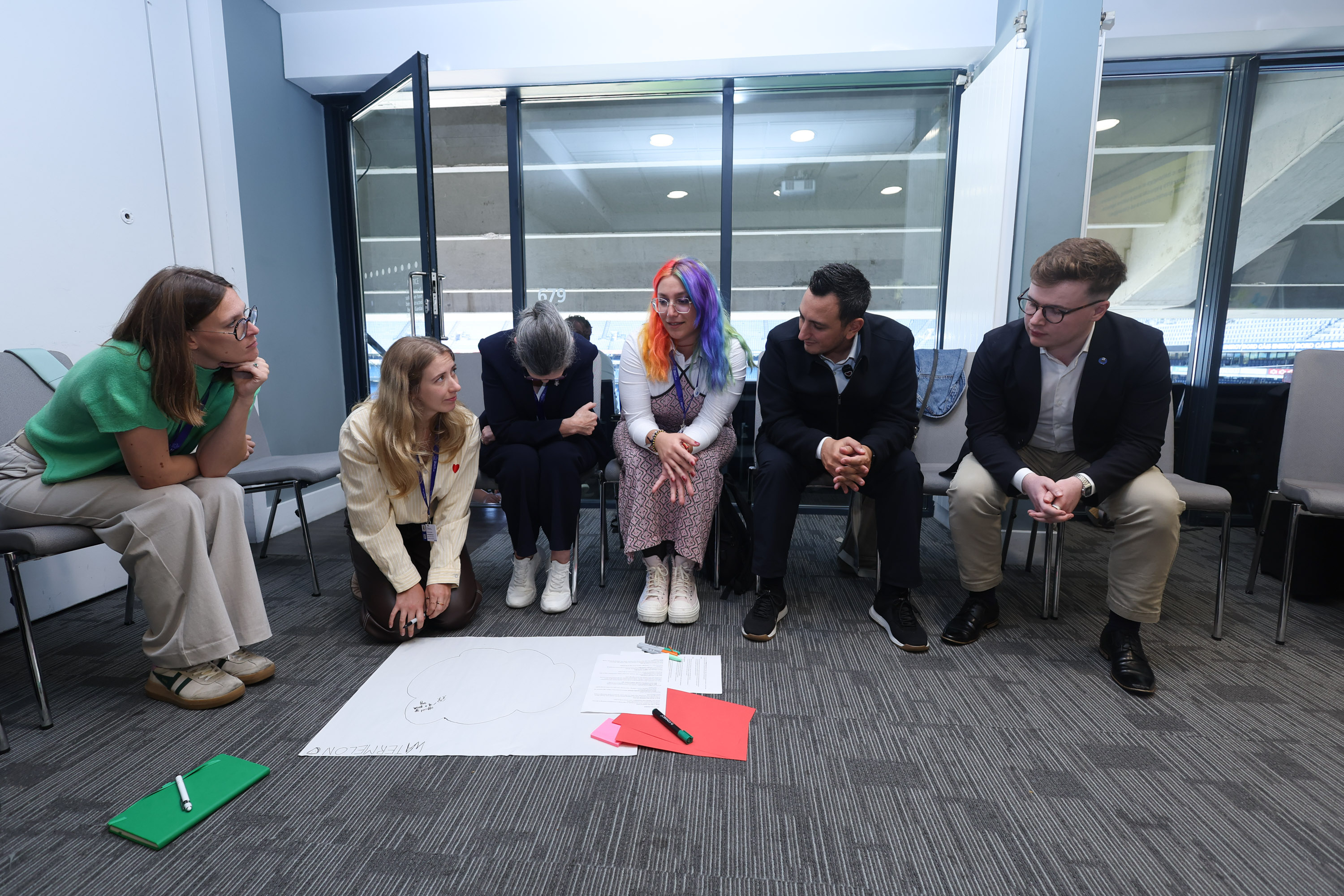
The participants were divided into 10 working groups. Five working groups were dedicated to shaping recommendations on topics related to Youth Goal 4: ‘Information and Constructive Dialogue’, and five others focused on finalising the revision of the European Youth Goals.
Commissioner Micallef visited working groups and listened to the discussions of the youth delegates as they worked together on preparing recommendations and the revised European Youth Goals.
Working Groups #1-5: Youth Goal 4: Information and Constructive Dialogue
- Working Group #1: Navigating Today’s Information Environment
Participants reflected on today’s complex information landscape, and on how to better support young people’s rights to informed participation and inclusive democratic dialogue.
- Working Group #2: Trust, Credibility and Young People
Participants assessed key factors that shape credibility of information, and discussed how to safeguard credible and trustworthy information and information sources.
- Working group #3: Constructive Dialogue in Polarised Times
Participants explored key barriers and enabling conditions needed to support constructive exchange in increasingly polarised societies.
- Working Group #4: Evolution of Information: Past, Present and Future
Participants focused on how the role and value of information in democracies has evolved over time, and identified skills and policy approaches needed to strengthen democratic resilience in the future.
- Working Group #5: Inclusive Youth Participation and Trusted Spaces
Participants discussed what makes participation spaces inclusive, safe and trustworthy for young people across Europe, and actions needed to strengthen meaningful youth engagement and constructive dialogue.
Working Groups #6-10: Revision of the European Youth Goals
Participants used the results of consultations and past cycles of the EU Youth Dialogue to make amendments to existing youth goals, ensuring that they reflect the realities of young people today, and create new youth goals.
- Working Group #6: Updating Three Existing Youth Goals: Youth Organisations & European Programmes, Moving Rural Youth Forward, and Information & Constructive Dialogue.
- Working Group #7: Creating a Youth Goal for Participation and Democracy
- Working Group #8: Creating a Youth Goal for Quality of Life
- Working Group #9: Creating a Youth Goal for Peace and Security
- Working Group #10: Creating a Youth Goal for Climate Justice and Sustainability
Young people speak, policymakers listen
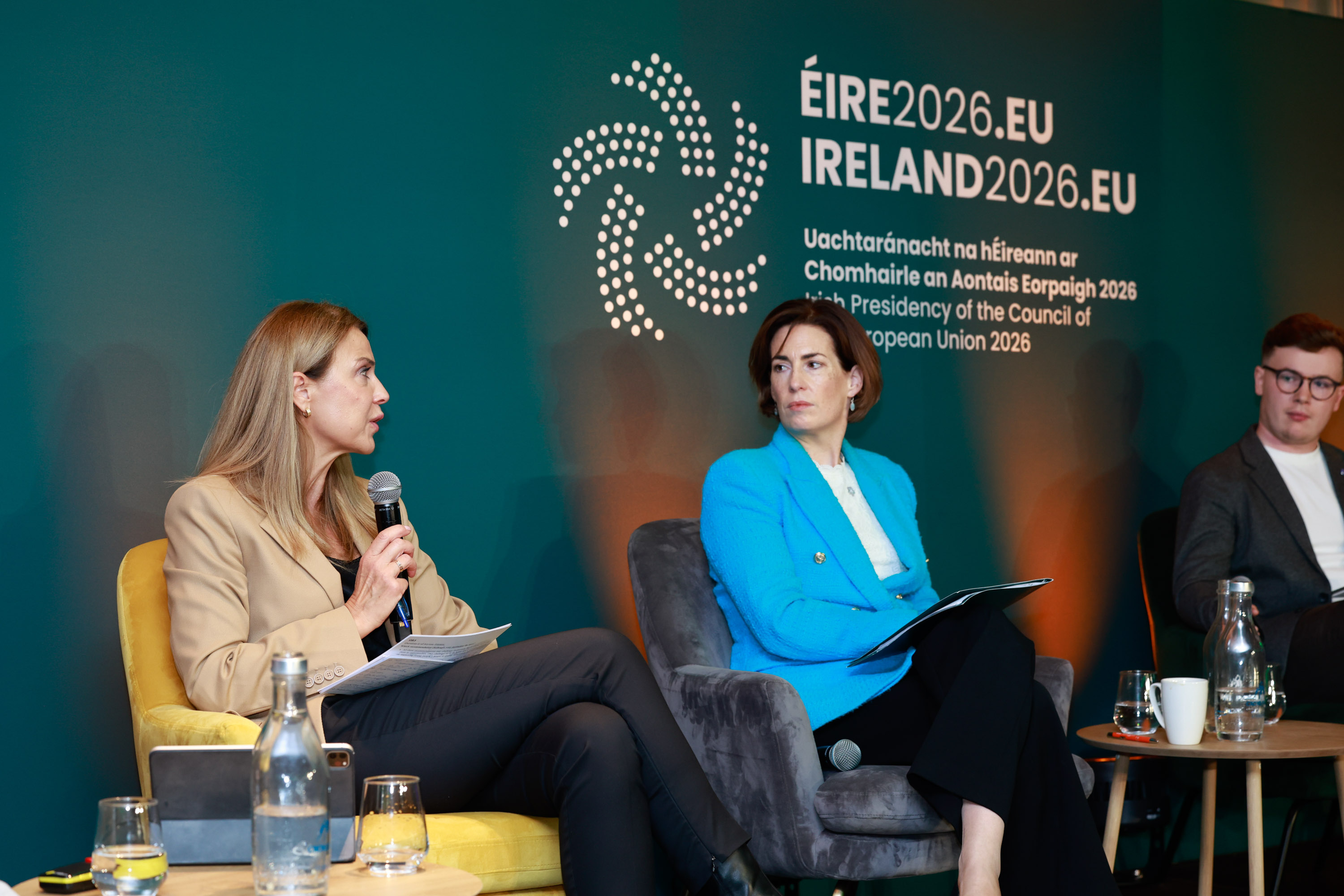
At the closing of the EU Youth Conference, youth delegates from each working group presented their recommendations to Ministerial delegates, representatives from the European Commission and other policymakers. Antoaneta Angelova-Krasteva, European Commission Director for Policy Strategy, Country Intelligence and Youth, Hildegarde Naughton, Irish Minister for Education and Youth, Mick Ferron, CEO of the National Youth Council of Ireland, and Caillum Hedderman, President of the European Youth Forum, reacted to the presentation of the youth delegates, highlighting the need for implementation at the local, national, and EU levels.
Recommendations will be included in the Council Conclusions on empowering young people to navigate and thrive in an evolving and challenging information-saturated environment, to be adopted by the Council of Youth Ministers in November.
Stay tuned for the conference report! It will include the recommendations and the final set of European Youth Goals presented at the EU Youth Conference in Dublin.
Next: Lithuania!
Consultations on the 12th cycle’s theme, ‘Information and Constructive Dialogue’, are ongoing all over Europe. And you can still participate. Check out here the contact of your national contact point to participate in consultation activities.
Lithuania will host the next EU Youth Conference in March 2027. The results of the consultations will be shared and discussed there, and will serve as basis for discussions and recommendations on this topic.
Gallery