


Alcide De Gasperi
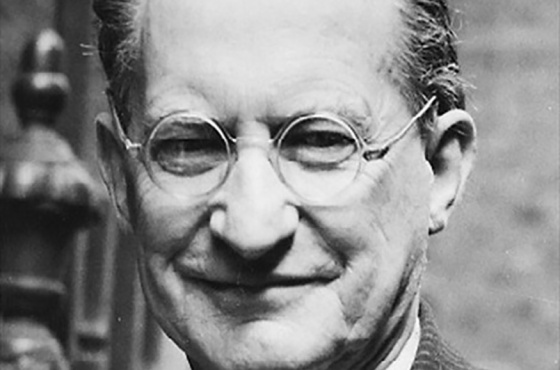
Post-war Italy’s Prime Minister Alcide De Gasperi (1881-1954) was a founding father of the EU: ‘Europe will exist, and none of the happiness of each nation will be lost’. Born in the Italian minority in South Tyrol, he studied in Vienna and campaigned actively for European unity. Imprisoned by the fascists, he later founded the Italian People’s Part.
Altiero Spinelli
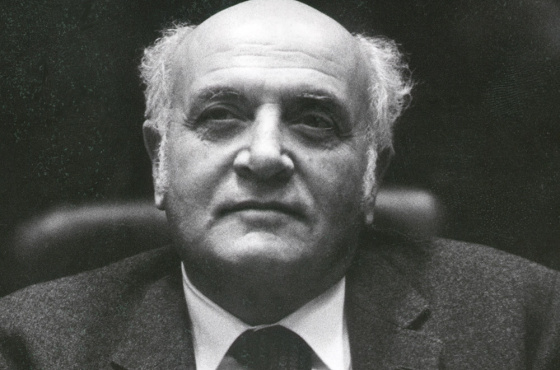
The 16 years that Altiero Spinelli (1907-86) spent imprisoned by Italian fascists did not break his spirit. From the island prison, the bold communist became the ‘prophet’ or ‘godfather’ of the EU, influencing many major treaties. The MEP’s dream of a superstate began to take shape after the Second World War, when he created a European federalist movement in Italy.
Angela Merkel
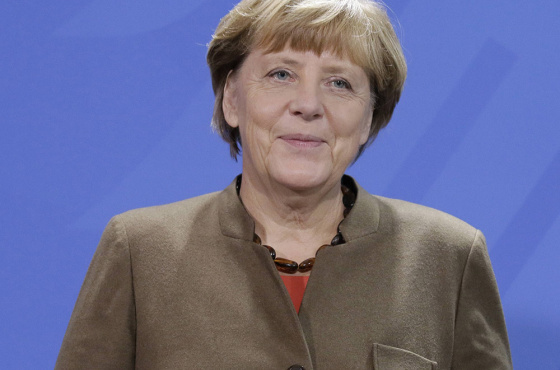
Any Germans born in 2005 will have known only one Chancellor - Angela Merkel (born 1954). The Christian Democrat and former chemistry scientist was raised behind the Berlin Wall in East Germany. As Europe’s longest serving leader, she has taken a leading role in addressing its current challenges. She was awarded the Charlemagne Prize in 2008 for her work to unite Europe. She is affectionately known as 'Mutti’.
António Guterres
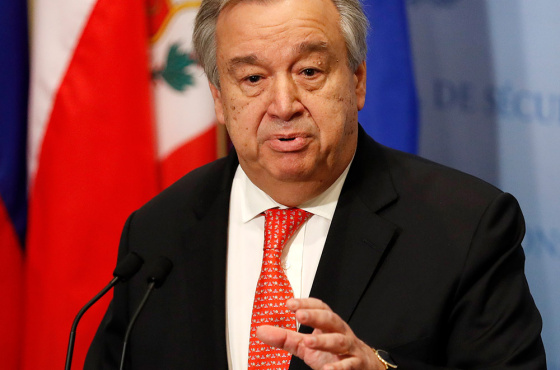
As prime minister of Lisbon, António Guterres (born 1949) reportedly visited slums near Lisbon to teach children maths. The engineering lecturer joined the Socialists after the dictatorship ended in 1974, and was later UN Commissioner for Refugees and president of the EU Council. Currently serving as UN Secretary-General, Guterres is keen on promoting social responsibility.
Charlemagne
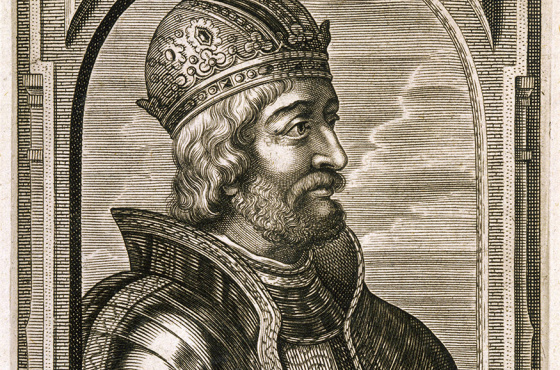
Despite the Byzantines in the east, the Pope in the south and warlords everywhere, it was the ambition of Charlemagne, or Charles the Great (742-814), to unite much of Western Europe. The ‘founder of Europe’ and Emperor of the West, this legendary Frankish king used military tactics to expand Europe as we know it. He realigned modern Belgium, Luxembourg, France, Germany, the Netherlands, northern Italy and Spain.
Charles De Gaulle
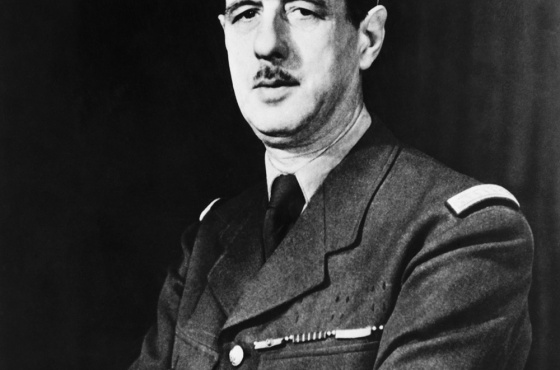
With his ideology of ‘Gaullism’, Charles de Gaulle (1890-1970) fought in World War I, but went into exile during World War II, leading the Free French from London. In 1959 he became the first president of the Fifth Republic. He supported the idea of a Free United Europe and built Franco-German cooperation, the cornerstone of the European Economic Community.
Emmanuel Macron
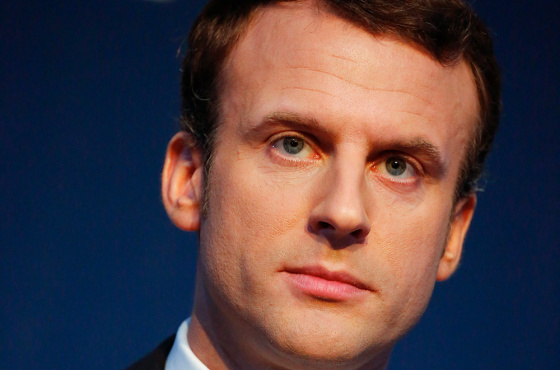
The eighth President of the Fifth Republic of France, Emmanuel Macron led the newly established political movement, ‘En Marche!’ to victory in the 2017 presidential elections. A former student of philosophy, passionate about literature and culture, graduated from the Ecole Nationale d’Administration (ENA) in 2004. Macron has made the creation of a ‘clear, ambitious’ roadmap for the future of Europe a cornerstone of his presidency. He received the Charlemagne Prize in recognition of his vision of a new Europe in May 2018.
Emmeline Pankhurst
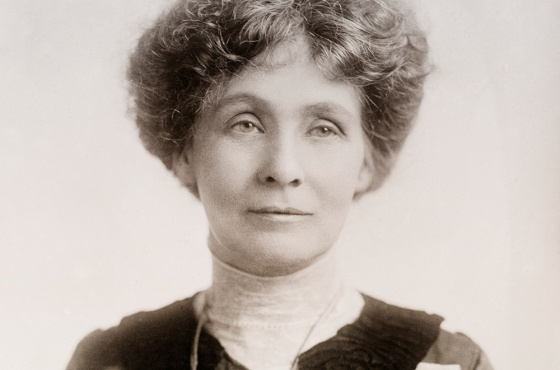
They smashed windows and went on hunger strikes, all in the tireless campaign to bring the right to vote to women in Britain. Leader of the Suffragettes Emmeline Pankhurst (1858-1928), incarcerated multiple times, died a month before her dream was realised. Her encouragement of women in the war effort went a long way in convincing the government of their cause.
Helmut Kohl
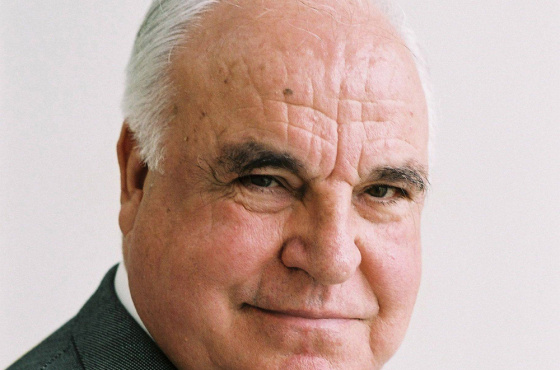
Chancellor between 1982 and 1998, Helmut Kohl’s (1930-2017) main legacy is the Maastricht Treaty of 1992, which replaced the European Economic Community with the EU, and the euro. During his time as Chancellor, the Berlin Wall fell and the Cold War ended, making him a key figure of German reunification. Helmut Kohl was bestowed Honorary Citizenship of Europe and was well known for his continuous efforts to propose ever better ways on how to take Europe forward.
Jacques Delors
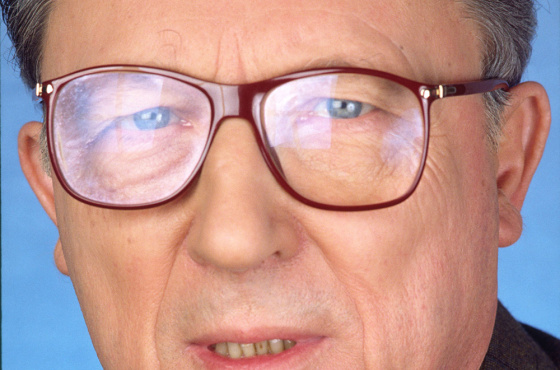
Jacques Delors (born 1925) is the father of the modern day EU as we know it. As president of the European Commission between 1985 and 1995, he was an architect of the euro. An internationalist and former socialist finance minister of France, he argued for a ‘social Europe’, and for the common values of fairness and decency.
Jean Monnet
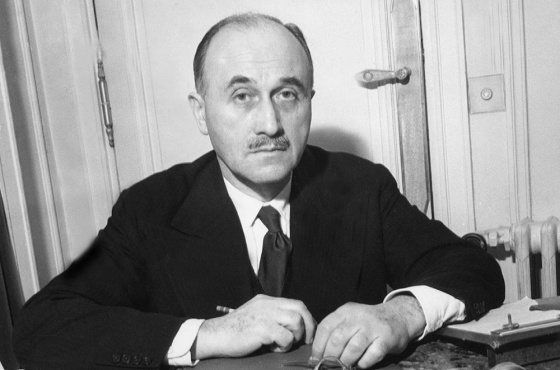
While never elected to public office, French political economist Jean Monnet (1888-1979) was a unifying force in the birth of the EU: ‘We are not forming coalitions of states, we are uniting men’. Born into a family of cognac merchants, he lived in London and travelled the world, conceiving the integration of the French and German coal and steel industries.
Karol Józef Wojtyła (Pope John Paul II)
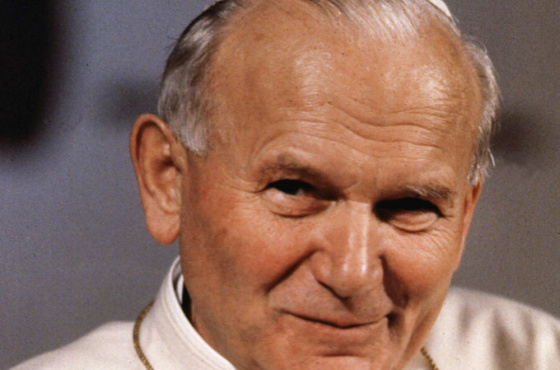
Dubbed “The travelling pope” Karol Józef Wojtyła (1920-2005) was the first non-Italian head of the Catholic Church in 455 years. As a Pope John Paul II, he undertook more pastoral trips than all of his predecessors combined. His revolutionary teachings about human dignity encouraged nations to rebel against autocratic regimes, such as in his homeland of Poland. He saw Europe as a “union of nations” built on spiritual and economic grounds.