
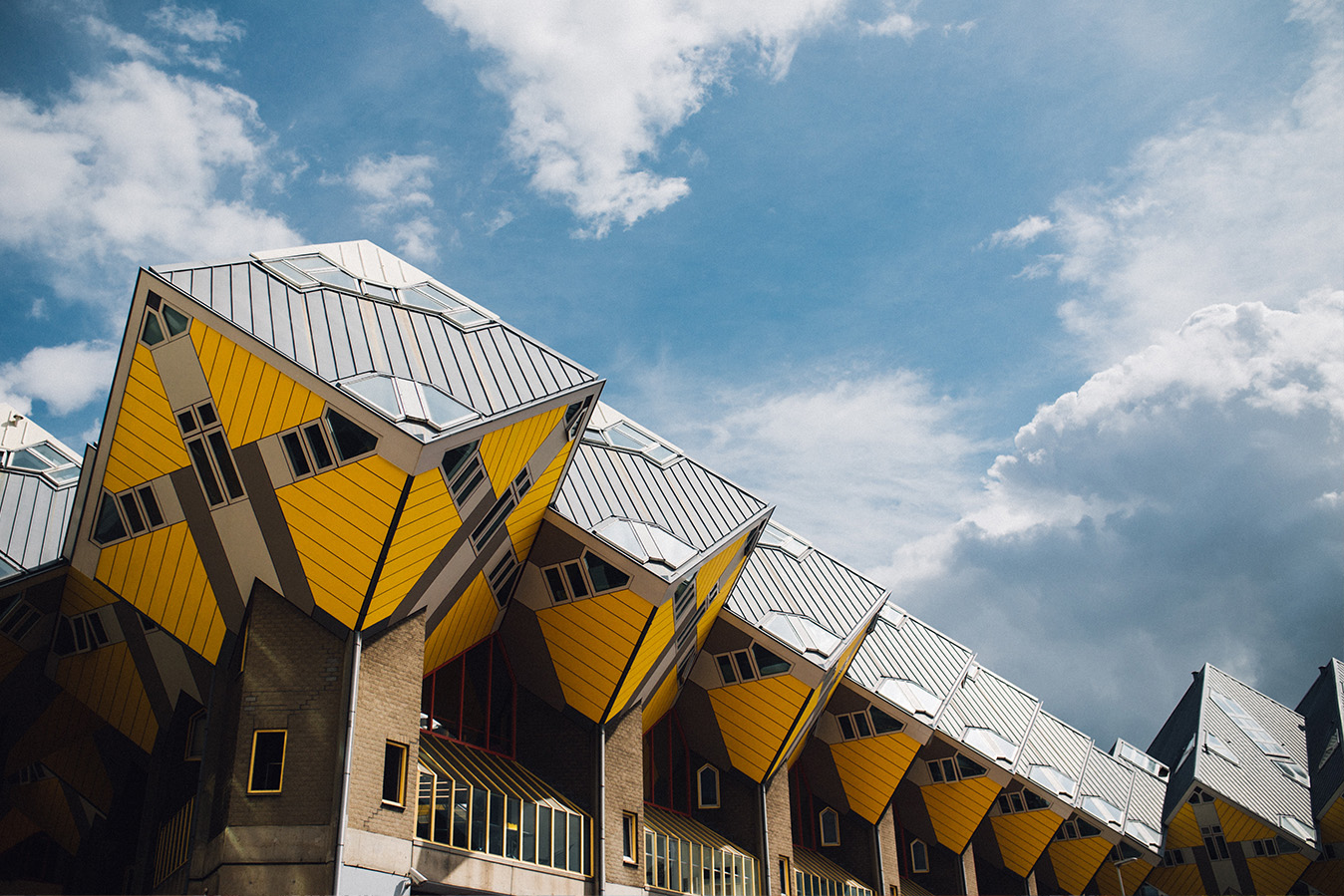
Rotterdam is home to Europe’s largest port and is one of the most innovative cities in the world. Thriving on inclusivity and accessibility, Rotterdam gained second prize in the 2017 Access City Award. With its vibrant urban life and modern architecture, from the Markthal building to the Erasmus bridge, the city also hosts one of the first ever New European Bauhaus (NEB) projects. Culture Campus aims to create a sustainable hub for the arts, research, learning, and community in the disadvantaged urban area of Rotterdam South.
By leveraging its past, Rotterdam offers a sneak peek at how beautiful, inclusive and sustainable the cities of the future might look.
Want to discover some of them? Visit the impressive former central post office, Postkantoor; or Europe’s first skyscraper, the Witte Huis. If you prefer modern architecture, explore De Rotterdam, a building conceived as a vertical city; or the Floating Office Rotterdam, a three-storey building constructed on a set of 15 concrete barges.
While you’re there, don’t forget to visit the little island of Delfshaven and some of its many pubs. You can also explore the Fenix Food Factory – a fresh produce market in Katendrecht selling plenty of tasty local delicacies. If you want some relaxation, head to Kralingen Lake and enjoy a quiet stroll.
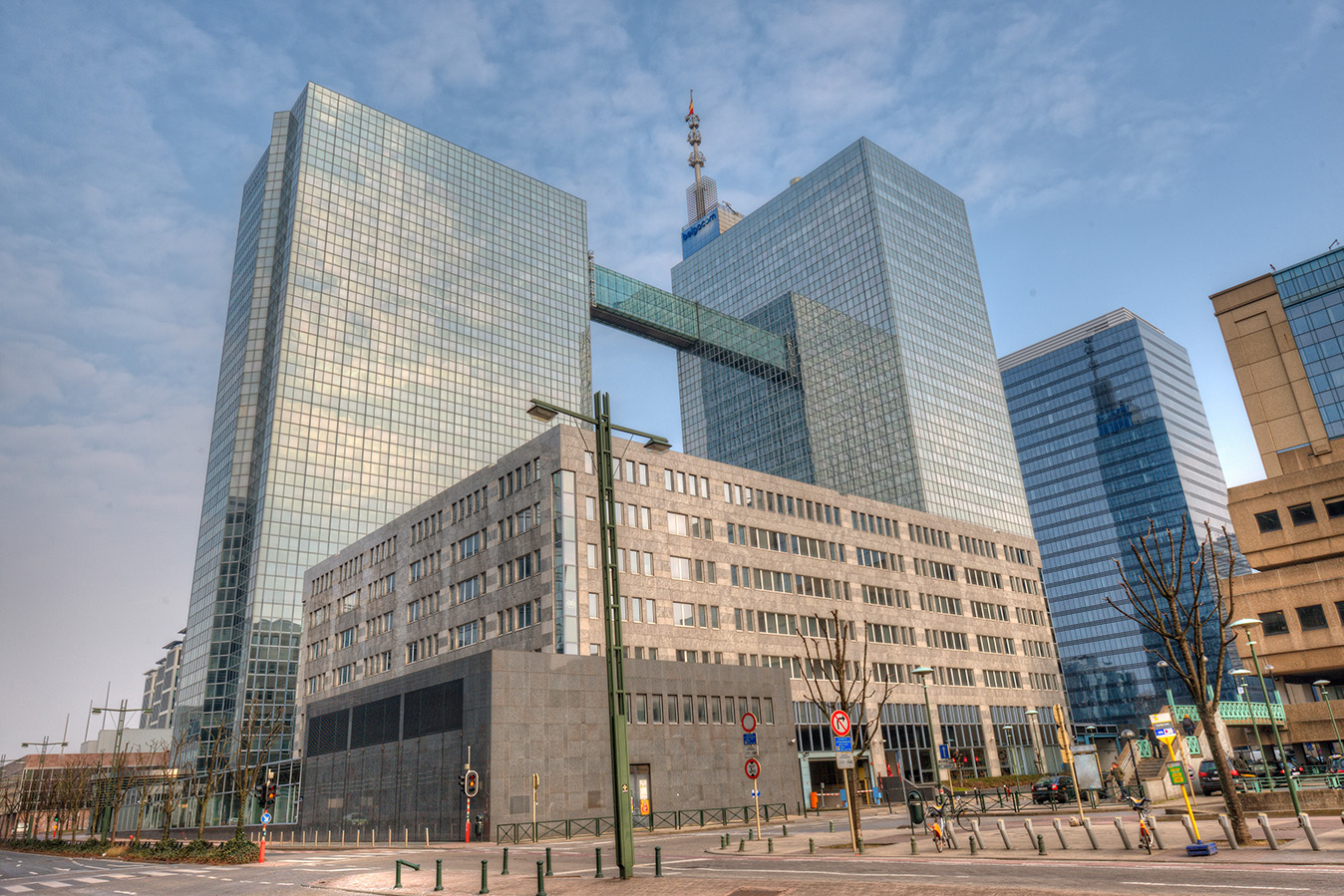
Have you ever heard of ‘Brusselisation’ – indiscriminately constructing modern high-rise buildings in incongruous places? The term is derived from the city where the phenomenon first appeared in the 1960/70s. Breaking from its past, Brussels is now spearheading inspiring urban developments through the regeneration of historic landmarks and introduction of beautiful and sustainable architecture.
In 2022 the unofficial capital of Europe hosted the first ever Festival of the New European Bauhaus (NEB), and showcases some tangible examples of values that lie beneath the initiative. The Gare Maritime, a former railway station whose original structure and materials have been blended with beautiful design and sustainable solutions, boasts 17 000 solar panels and a huge rainwater-collection system. The Home4less social initiative is another outstanding example, providing modular, adaptable, and mobile living solutions for homeless people inside vacant buildings.
If you are looking for a city with hidden gems, Brussels is the place to go. Head to Molenbeek and discover the MIMA, a massive contemporary art museum built in the former Belle Vue brewery. Discover Brussels’ signature Art Nouveau architecture by visiting Cauchie House, the Musical Instrument Museum and Solvay House. Then, go back to the future and visit the Atomium, one of Brussels’ most iconic structures; and the Europa Building, home to the European Council, the European Commission Visitors' Centre and its new architectural concept, as well as some of the city’s most recent sustainable – and beautiful – architecture.
Brussels has even more to offer beyond its architecture. Visit Marolles on the weekend and browse its flea market, take a stroll and have a waffle at Bois de la Cambre, or go partying in an old theatre (Mirano) or even in the woods (Jeux d’Hiver). If you’re a fan of alternative options that are off the beaten track, make sure to visit Reset, a creative space set up in a former bank in the city centre, now hosting club nights, exhibitions, talks, and conferences.
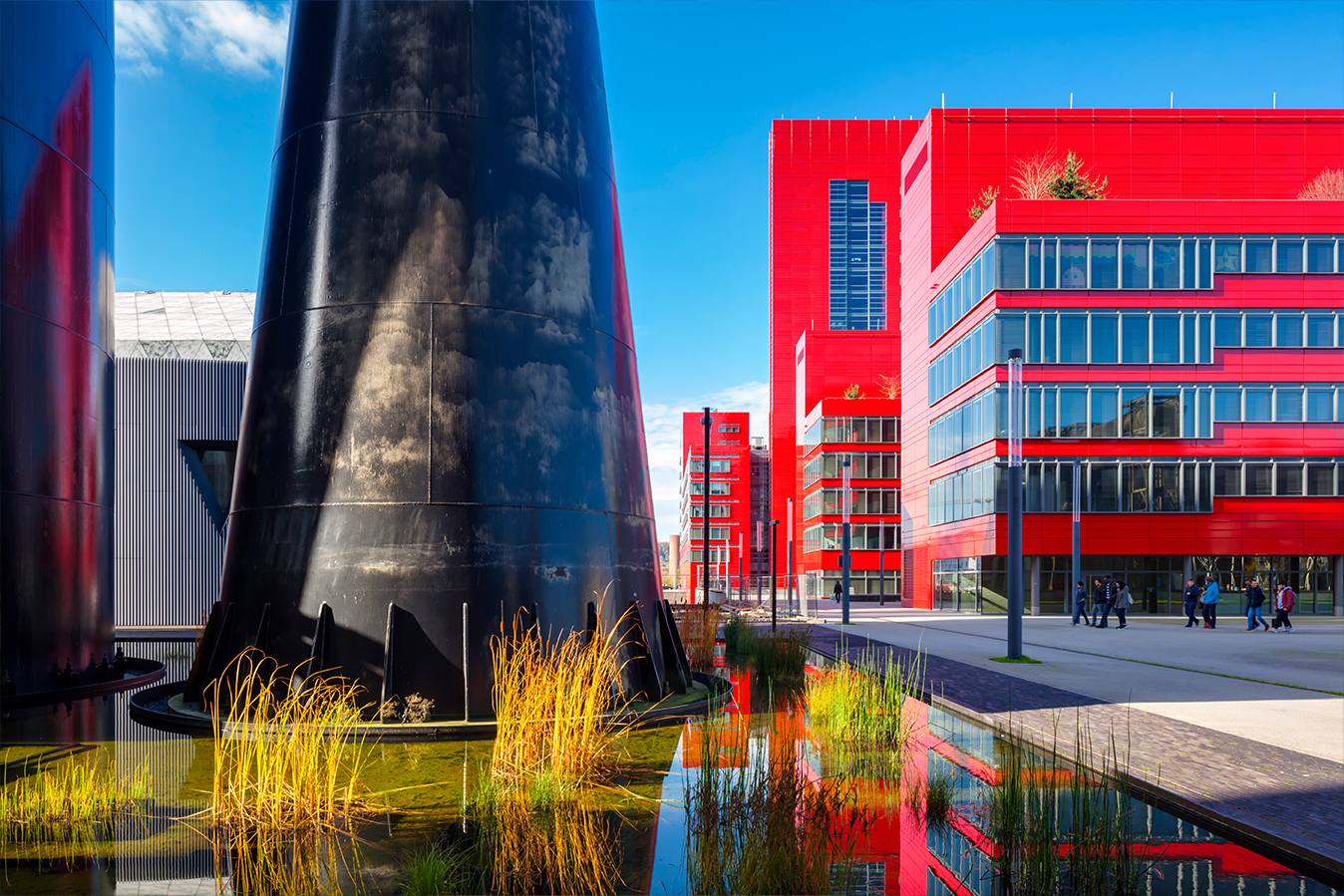
Usually referred to simply as Esch, the city is Luxembourg’s former industrial powerhouse. Bouncing back from the steel crisis, Esch now aims to be a prototype and discussion hub for the New European Bauhaus (NEB), not only by regenerating its deprived areas but also by reconsidering the layout of the entire city.
The 2022 European Capital of Culture is living proof that, however industrial a city’s past may be, there is still an opportunity to transform into a beautiful, sustainable and inclusive city of the future.
Experience the Minett Trail – not just any old hiking trail, but a journey that lets you uncover the beauty of each site you encounter through sound paths, storytelling walks, installations, shows and concerts. Or visit Belval, an old industrial site that is now a thriving city neighbourhood where people work, live and socialise.
While in Esch, check out what events are happening so you don’t miss a concert or exhibition. Or why not try the Lankelz miniature railway, or treat yourself to something on the longest shopping street in Luxembourg?
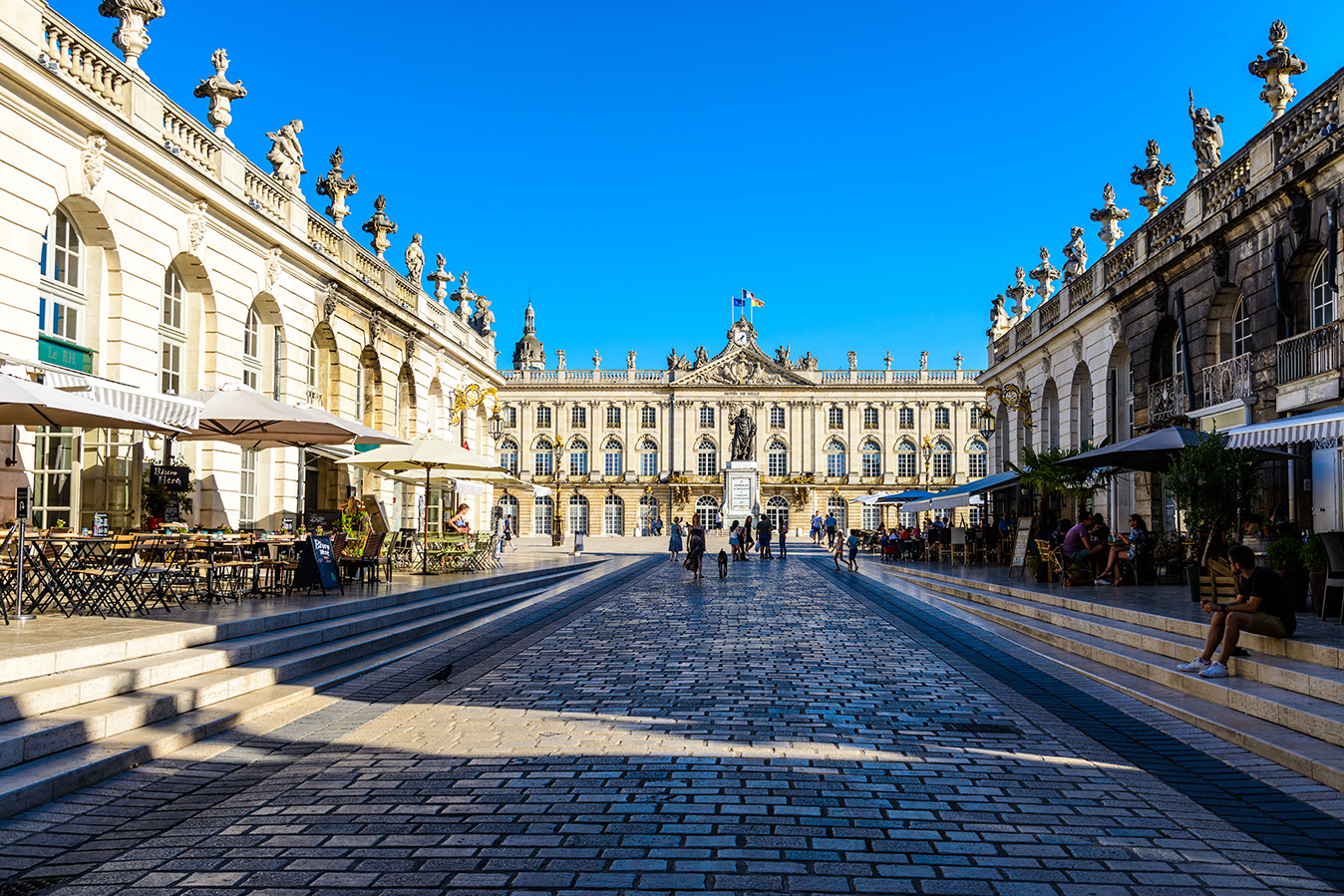
Capital of the Lorraine region, Nancy is famous for its UNESCO-listed 18th-century architecture, including Place Stanislas, Place de la Carrière and Place d’Alliance. But it also boasts innovative and sustainable architecture developments which have created a modern urban environment.
One ambitious example is the Innovation Campus project in the Communauté de Communes du Bassin de Pompey – 20 minutes from Nancy by train. A site for creativity, training, entrepreneurship, and cultural and social events, the project was one of 20 included in the 2022 New European Bauhaus Local Initiatives for its unique blend of beauty, design and inclusivity.
If you want to experience all that in Nancy, check out its award-winning open-air laboratories, which are spread throughout the city’s parks, and visit the botanical garden at Le Montet. Or head to the Meurthe-Canal district and take in its successful urban regeneration efforts, which have brought factories, warehouses and other buildings back to life, making them home to all sorts of cultural and commercial activities.
While you’re there, don’t forget to visit Villa Majorelle, one of the first and most influential examples of Art Nouveau in France. Then, head to the marina and its water gardens, or taste the signature local bergamot cakes and macarons in Place Stanislas.
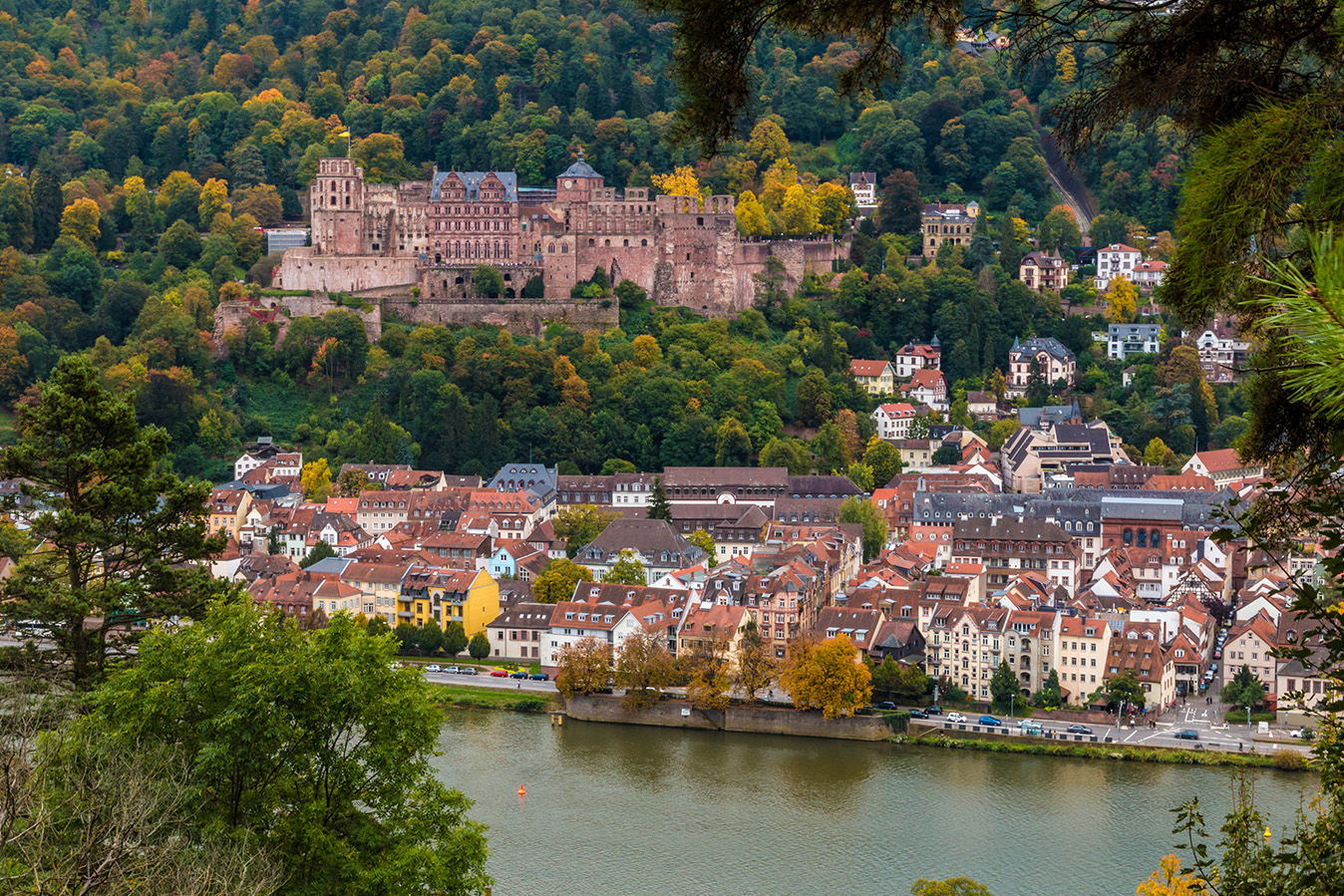
Popularly considered one of the most beautiful cities in Germany, Heidelberg is at the forefront of the New European Bauhaus (NEB) innovation wave. The Heidelberg Village is the world’s largest passive housing complex. Affordable, comfortable and ecological, the village is designed to be a ‘living community’ for people of all ages, with access to green spaces designed to encourage integration and interaction.
As well as visiting the castle and the old town, save some time for the district of Emmertsgrund. There, you’ll find one of the first and most famous examples of urban design inspired by the concept of ‘urbanity through density’: separate footpaths and roads, spacious squares, modern and inexpensive apartments for families, and good public transport.
After that, consider visiting the student prison, where until 1914 students were taken into custody for late-night revelling or public disorder offences. Or take an inspiring walk by the Neckar River, through Philosophenweg. There, you can visit the breath-taking gardens, taste the local food, cross the old bridge and – if you dare – put your head inside the mouth of the Brückenaffe, the Heidelberg Bridge Monkey.
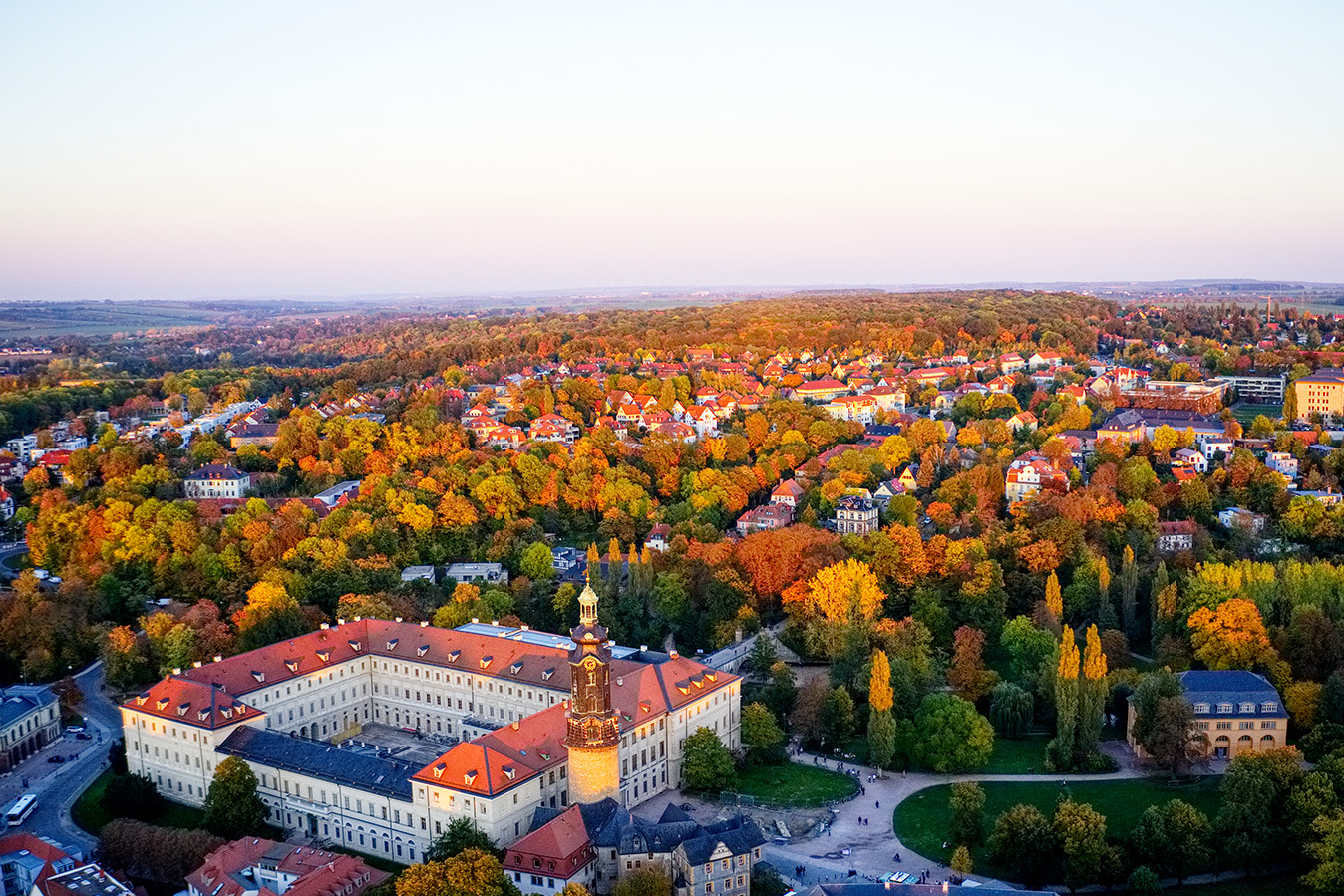
Welcome to the birthplace of the original Bauhaus movement! Founded in 1919 by pioneering architect Walter Gropius, the art school gave rise to a movement that still resonates through the New European Bauhaus (NEB) – and continues to embody the values found in new architecture today.
During the Festival of the New European Bauhaus in 2022, the Bauhaus-Universität Weimar hosted the Lab of Ideas. The Lab took place to inspire and encourage individuals to paint an innovative, sustainable, fair and socially inclusive vision of future living spaces in Europe.
Visit the Bauhaus-Museum Weimar to explore the most important Bauhaus collection in the country, with the oldest examples of the movement’s work anywhere in the world. Then, head to the Bauhaus University and the Haus Am Horn – the only piece of architecture designed and built by the Weimar State Bauhaus in 1923. Impressive, isn’t it?
Before you leave, take a walk or a bike ride in Park an der Ilm, before enjoying a night out in Wielandplatz or Beethovenplatz. And don’t forget to raise a glass to Gropius’ achievements!