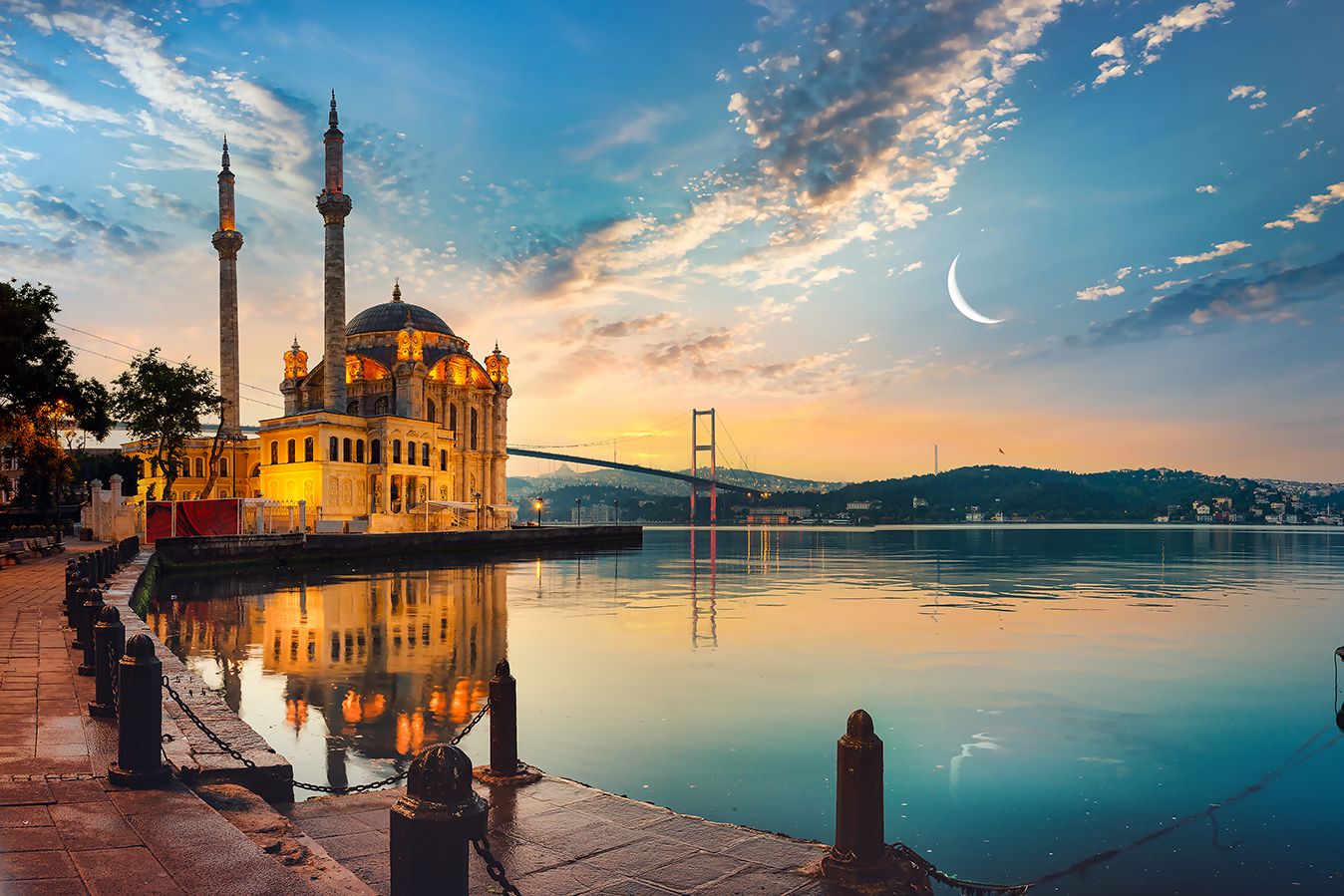

While the Hungarian capital is highly committed to its traditions, it is also looking to the future through sustainable and inclusive transformation of its urban environment. By doing so, Budapest progressively embodies the values and objectives of the New European Bauhaus (NEB). For example, the Cooling Corners and Corridors (CoolCos) project creates innovative structures that are designed to reduce the impact of heat waves. The city has also been recognised for its accessibility, with a special mention in the EU’s 2015 Access City Awards.
If you need a moment of calm while exploring the city, take a stroll around Margaret Island – a green oasis in the middle of the Danube. Or pass by the Aurora climate garden, a cute little spot that aims to restore natural ecosystems to the urban environment, while sharing knowledge about horticulture and food security.
If art is your thing, you can visit the FKSE gallery, which is specifically for young artists, and which puts social issues at its heart.
Finally, head up to Castle Hill to admire the Fisherman’s Bastion, and enjoy a stunning view over the city and the Danube.
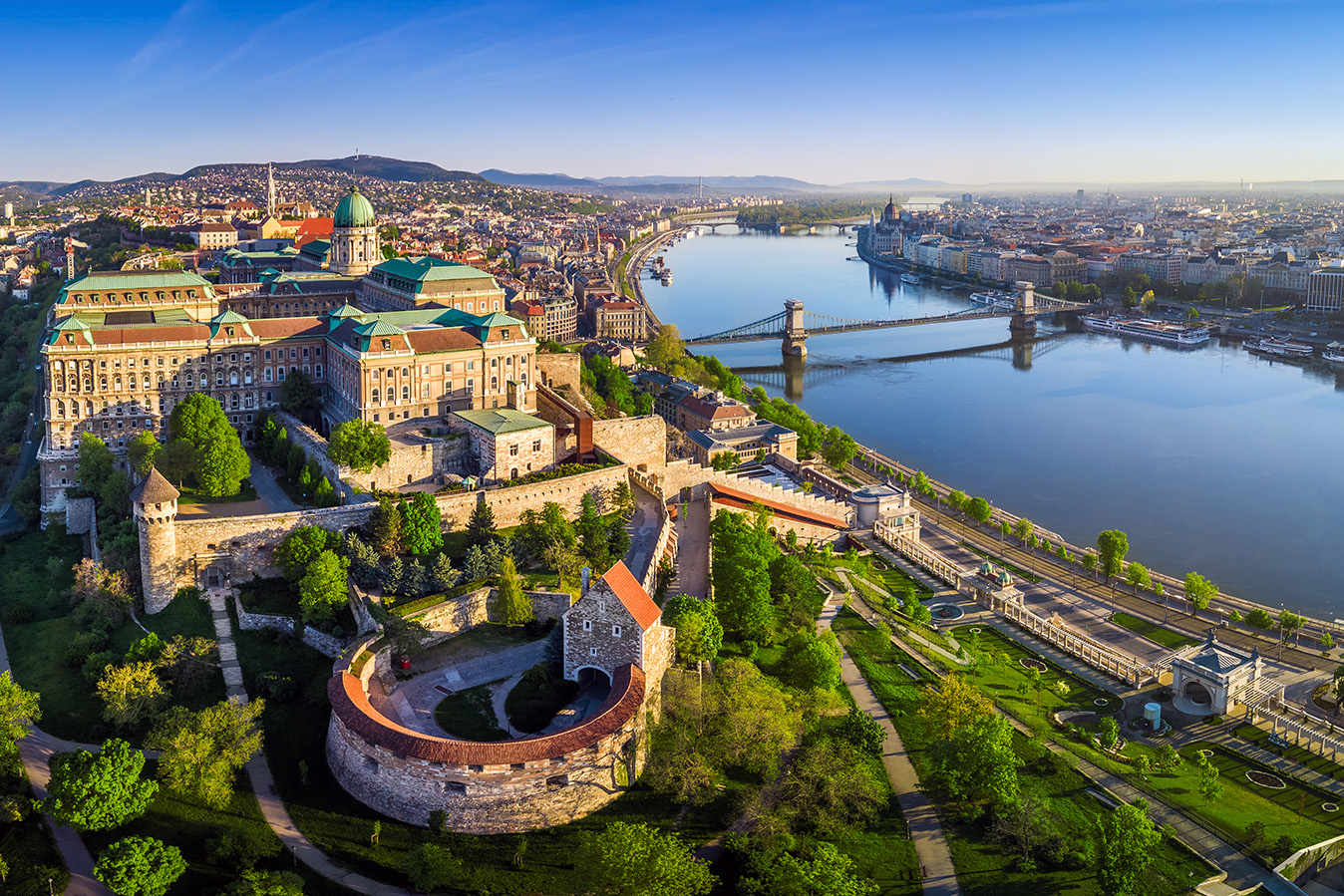
Nyíregyháza is part of an Interreg Europe project on sustainability with a focus on digital economy. Interreg projects bring local governments together to share innovative and sustainable solutions to regional development challenges. To increase its use and expand the local history database, Nyíregyháza’s local library helps citizens to use digital systems and devices. And it promotes literature through the telepoem booth, in which visitors can pick a poem from a directory, dial the number, and listen to it.
Need to see some greenery? Integrating nature into the urban landscape, one of the main objectives of the New European Bauhaus (NEB), is the Tuzson János Botanical Garden. Part of the city’s university, it’s home to a wide variety of plants in a setting that includes a large glasshouse, a Japanese garden and a lake.
Be sure to pay a visit to the Musical Fountain in Sóstó, which puts on a spectacular show for bystanders. Or visit the Sóstói Open Air Museum – once a village – to get an insight into how people used to live, and take part in events designed to teach visitors about folk traditions.
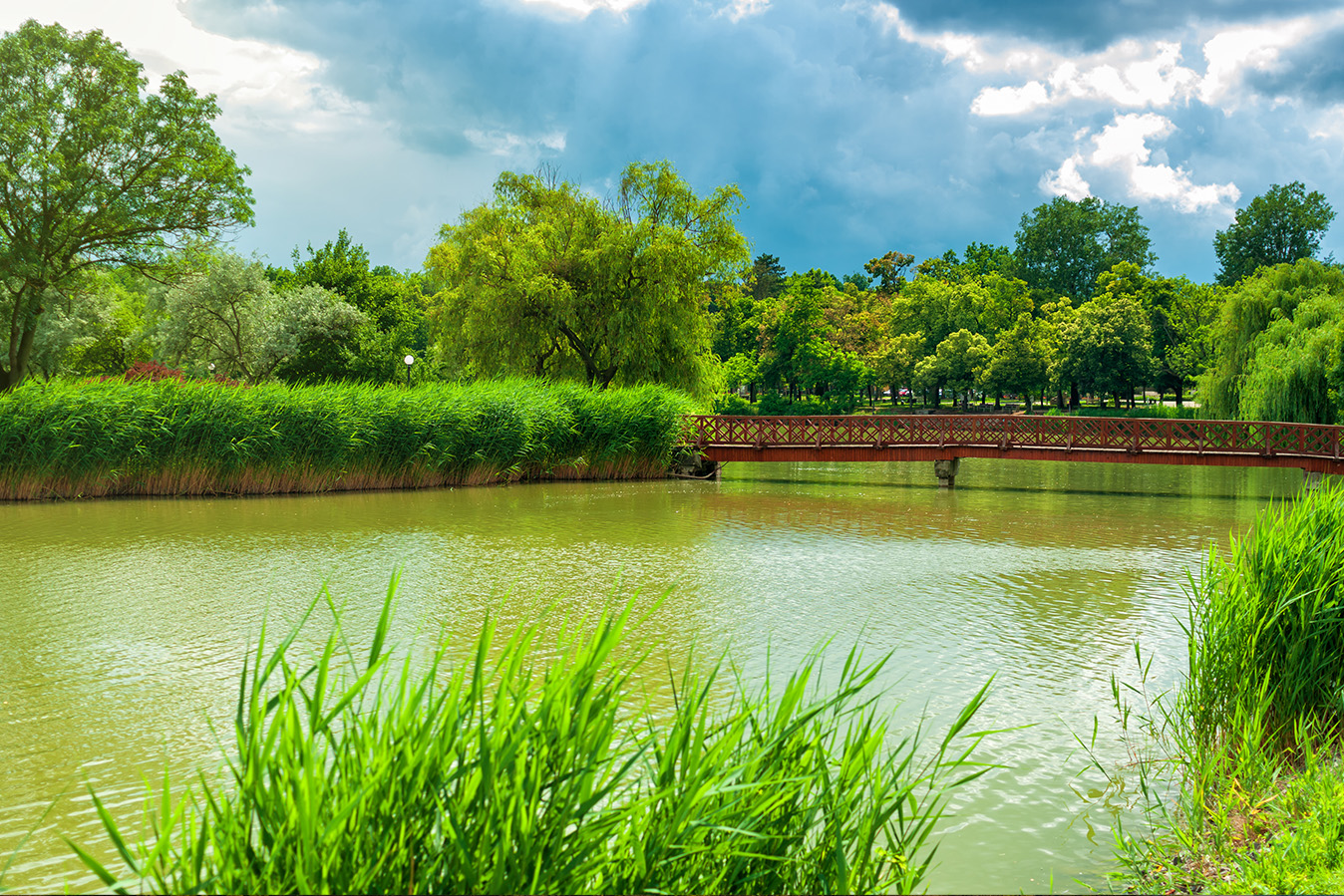
Romania’s second most populous city and the unofficial capital of Transylvania, Cluj-Napoca is a green and inclusive city. Its strong university tradition and urban development ambition make it a flagship city for the New European Bauhaus (NEB) urban enhancement. It is home to the CREIC centre for creative industries, and one of the EU’s largest universities, earning it a place on the list of ROCK Role Model cities, demonstrating how cultural heritage is a source of regeneration, development, and growth.
While you’re here, take the opportunity to visit Cluj-Napoca’s old Casino building, positioned in the middle of the Central Park and now serving as an Urban Cultural Centre.
While strolling around the city, be sure to look up at its wonderful gothic-style buildings. Or take a tour around the Romulus Vuia Museum of Ethnography to discover Transylvania’s folk culture.
The Botanical Garden is also worth a visit, with its Roman and Japanese gardens, Botanical Museum, and colourful plants and flowers.
Fancy a film or some live music? If you’re visiting the city during the Transylvania International Film Festival (TIFF), you’re in luck! And don’t miss out on a visit to the innovative Hairgonomy Hair Salon, which regularly hosts DJs and live music performances.
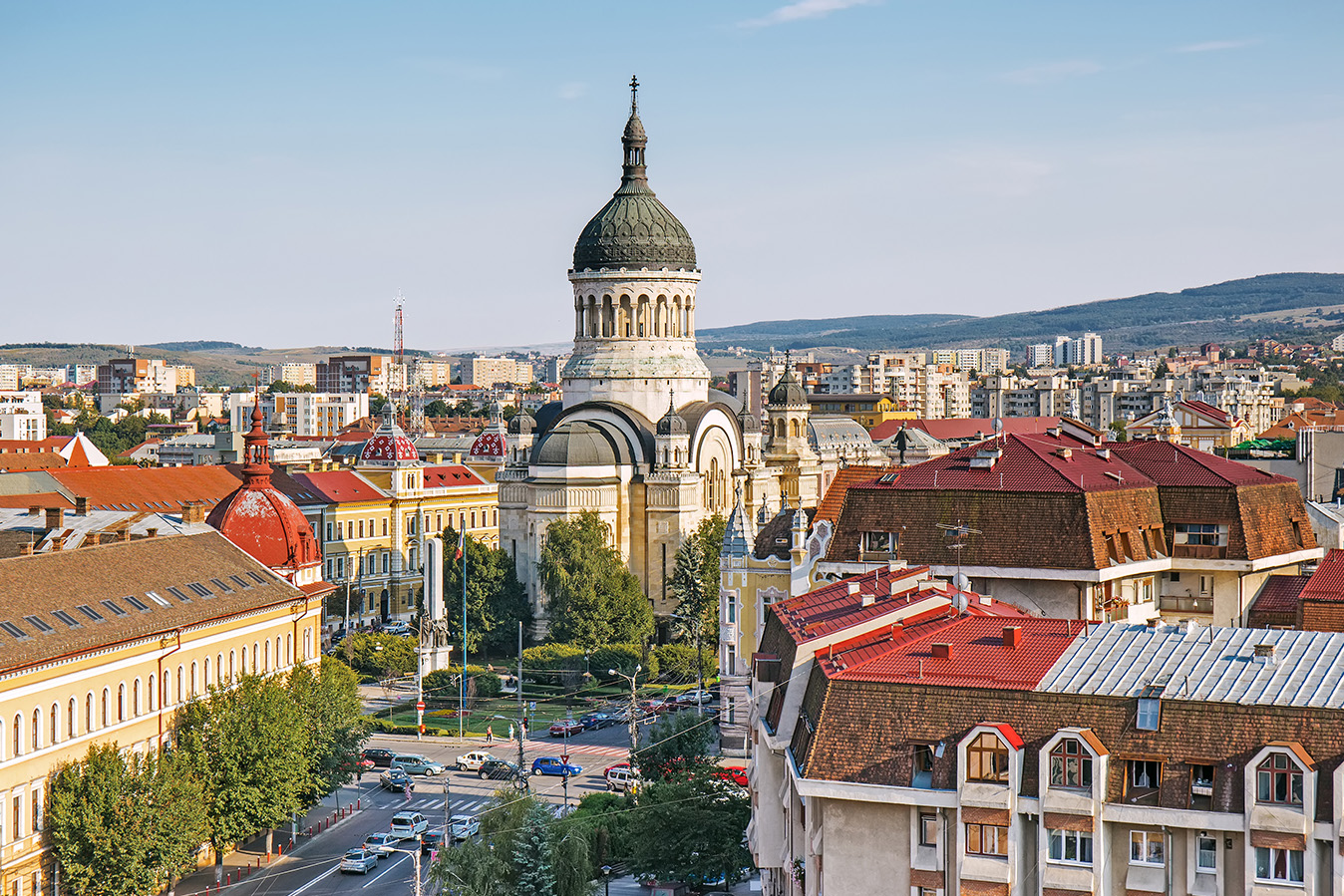
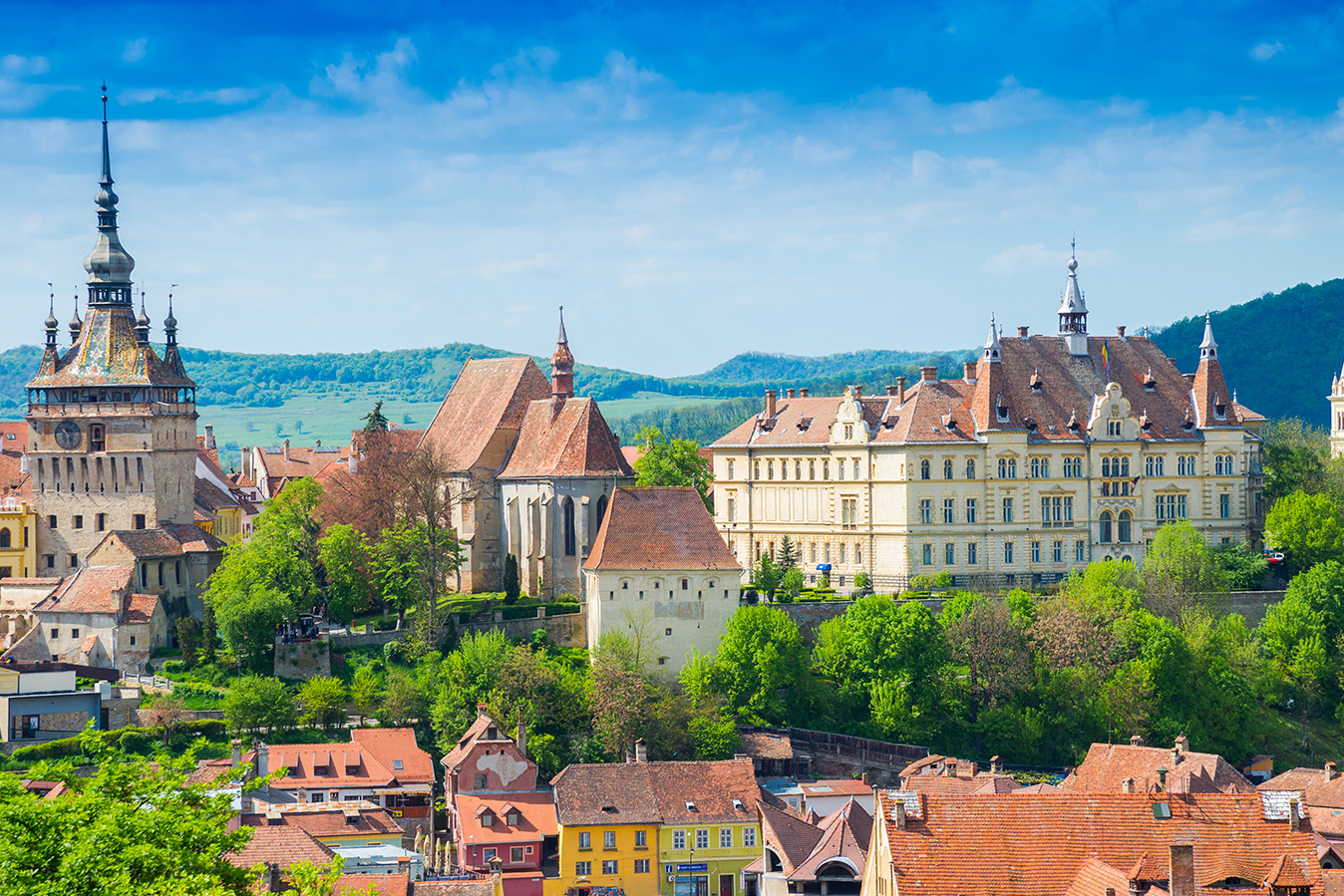
Sighișoara is one of the oldest inhabited walled cities in the world. With its roots in Transylvanian Saxon culture, the city is part of UNESCO’s World Heritage Cities Programme. This programme aims to preserve the city’s historical value as well as enhancing its modern aspects, resulting in a successful mix of tradition and innovation in the spirit of the New European Bauhaus (NEB).
Its historic centre, or Sighișoara Citadel, was named a UNESCO World Heritage Site in 1999. Get lost in the city’s cobbled, pedestrianised streets, lined with colourful buildings such as the Casa Venețiană with its green façade.
Curious about medieval traditions? Then the Medieval Festivals are a must if you’re planning to visit while they’re on.
With its Food for the Earth composting project, Bucharest is working its way towards sustainable living. It is also home of two New European Bauhaus (NEB) Prize finalists: the Dăm Click pe România (Let’s Click on Romania), which donates refurbished computers to help reduce the educational gap; and the Metakitchen, an installation that is all about recovering historical recipes.
No wonder Bucharest is also known as the ‘Little Paris of the East’: it has beautiful architecture. The Arcul de Triumf, the George Enescu Museum and the Pasaj Macca-Vilacrosse are just some of the charming spots that are evocative of the French capital – but worth a visit in their own right.
Take a stroll into the old town to soak up the city’s historical atmosphere. And if it’s a rainy day and you’re in need of some colour, head to Pasajul Victoriei, where you’ll find the street entirely covered by colourful umbrellas.

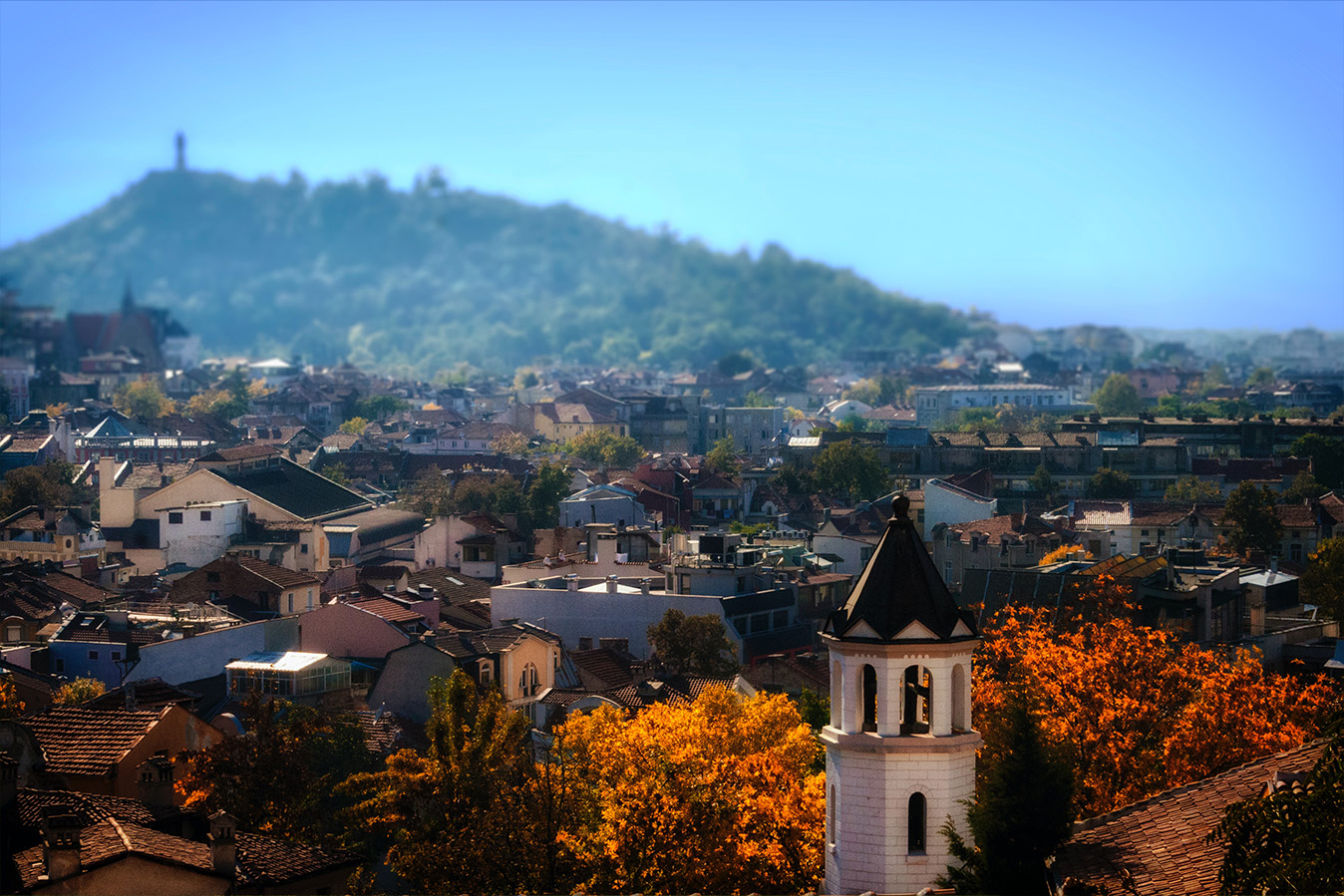
The European Capital of Culture for 2019, Plovdiv has used its status as a cultural hub to accelerate its transition to becoming a sustainable, beautiful and inclusive beacon, as well as taking steps to tackle air pollution.
One great project embodying the New European Bauhaus’ (NEB) values in Plovdiv is Urban Dreams. This project has adopted a sustainable and artistic approach to reviving deserted areas of the Kapana District, in a visible commitment to innovation, discovery, culture and creativity.
Plovdiv’s cityscape has been transformed through artwork: around the city, you’ll find graffiti by female artists, as part of the Sense of a City project inspired by the idea of inclusivity, safety and sustainability.
While in Plovdiv, don’t miss out on a visit to the Regional Ethnographic Museum: not only to admire its charming, picturesque façade, but to get a real feel of Bulgarian traditions and culture once you’re inside.
Istanbul – the city that straddles two continents – was included in the UNESCO Creative Cities Network as a centre for design. The annual Contemporary Istanbul art fair, which highlights new creative ideas, is just one outlet for the city’s creative spirit.
For a modern take on old traditions, visit the Kadiköy food market, where food carts have been reimagined in a fresh concept by TAK, a collective of artist and designers.
A striking example of Istanbul’s journey towards the New European Bauhaus (NEB) goals, such as being green and inclusive, is the pedestrianisation of the Laleli area, where you can take a stroll through its car-free streets during the day.
If you want to take a leap back in time to the Ottoman era, don’t miss the Blue Mosque, one of Turkey’s cultural and historical landmarks; or the Topkapi Palace, which was the main residence of Ottoman sultans for many centuries.