

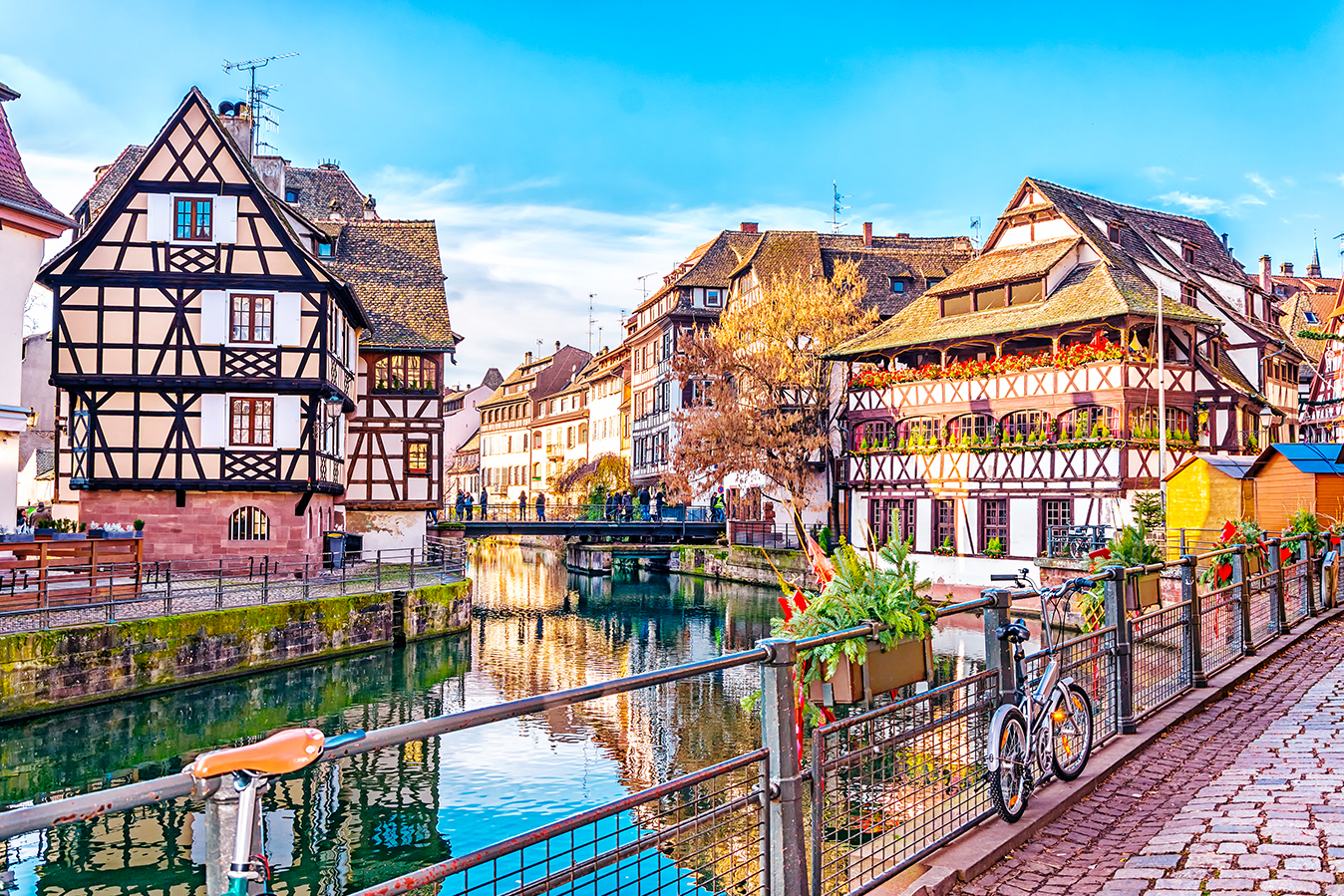
Strasbourg’s one of the most bike-friendly cities in France and the fifth most bike-friendly in Europe, with 600 km of bike paths covering the entire urban area. If that inspires you to go for a ride, it’s easy with Strasbourg’s self-service bike share scheme that has 6 000 bikes available 24/7. It’s also home to the European Parliament (open to visit six days a week for free), Notre-Dame Cathedral, La Maison des Ponts Couverts and the city centre is UNESCO listed. Explore the city’s bustling European District, which was awarded the European Heritage Label in 2015.
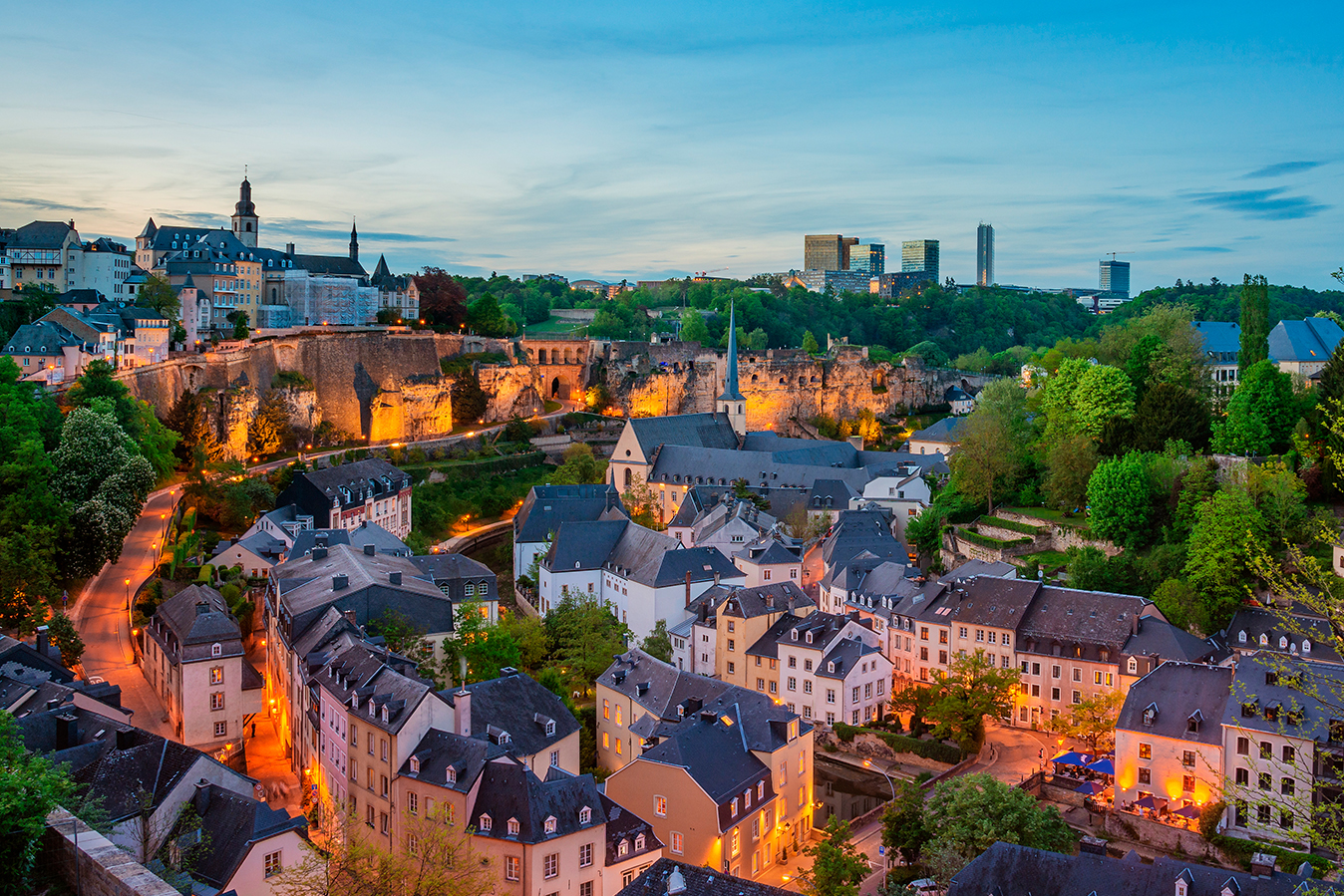
With cycle routes ranging from 5 to 13 km, Luxembourg city is a wonderful place to get about by bike. You’ll find routes through the districts of Kirchberg, the Railway Station and the Old Town, as well as the valley of the Alzette river. Perhaps the gorgeous landscape for cycling is why Luxembourg punches above its weight when it comes to cycling stars. If you want to enjoy nature, it’s easy to escape the city by bike and explore one of the country’s 600 km of cycling routes and 700 km of mountain bike trails. Luxembourg is also easy to get around on foot and for people with disabilities, a fact that was recognised in 2022 when they were awarded first prize in the Access City Awards.
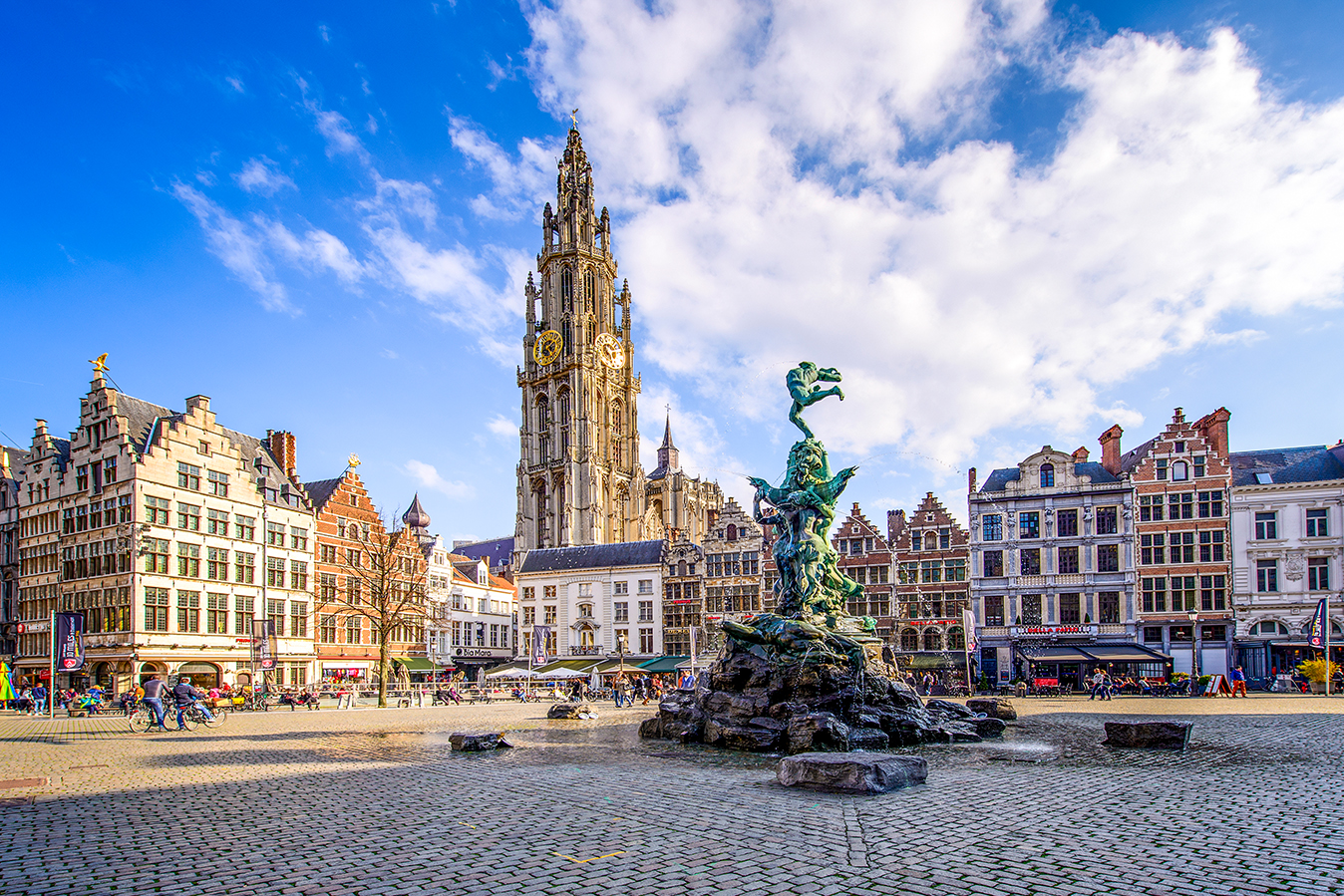
From the moment you arrive in Antwerp’s beautiful central station, you’ll be wowed by the city's incredible architecture. From quirky art nouveau gems to modern architecture like the Port House by starchitect Zaha Hadid, the city is full of interesting buildings, making it a treat to stroll around. Antwerp also has over 500 km of safe and comfortable cycle paths and its clever numbered junction network and city’s route planner make it easy to navigate, even for visitors. You can pick up a bike from the city scheme, which has almost 300 stations with 4 200 bicycles. It’s easy to see why it’s ranked as the fourth best cycling city in the world.
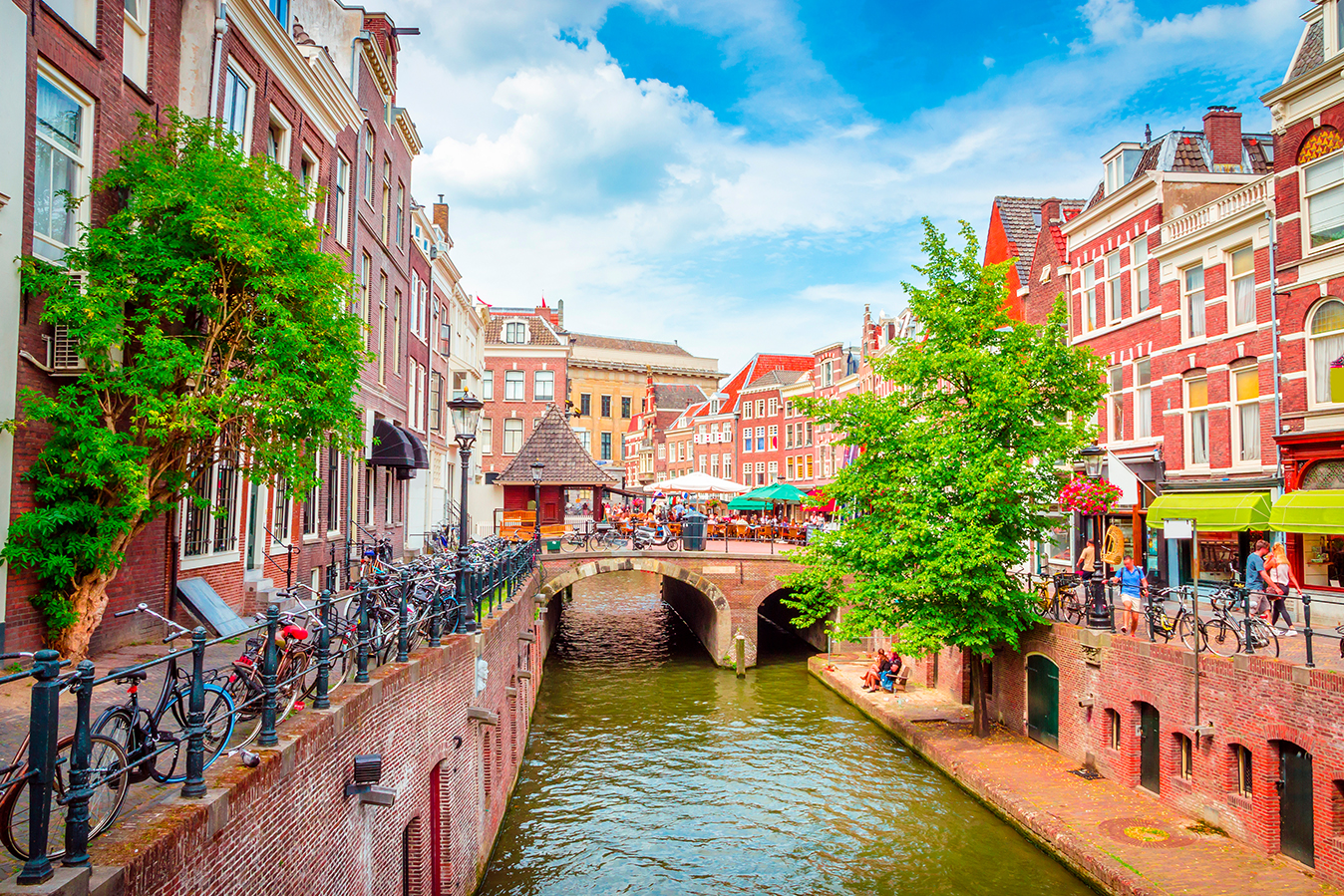
The Dutch are famous for getting around on 2 wheels and when you visit Utrecht, it’s easy to see why the bicycle is king. The third best cycling city worldwide has 420 km of bicycle paths and is constantly investing in infrastructure to make cycling even more appealing. Utrecht’s historic city centre, composed of pedestrianised zones, mediaeval streets and picturesque canals, is also lovely to wander around on foot and wonderfully peaceful. While there, don’t miss exploring Utrecht’s unique 2-level canal system. The lower level was originally used by merchants to unload goods directly into cellars and now, after a period of disuse, they’ve been converted into hip cafes, shops and restaurants.
Alster Lakes, the Elbe river and a plethora of parks such as Altonaer Volkspark, Öjendorfer Park, Wasserpark Dove-Elbe and Harburger Stadtpark give Hamburg a tranquillity and connection with nature that makes it clear why it was European Green Capital in 2011. As well as being green, it’s a flat city, ideal for cycling on one of its many bike paths or passing through on the EuroVelo 3 route. If you don’t have a bike of your own, borrow one of the reasonably priced city bikes. Hamburg received a special mention for built environment from the Access City Awards in 2023.

Travel to the Danish capital and you’ll see why it’s widely known as one of the best cities for cycling in the world thanks to innovative bike bridges, 546 km of bicycle paths, cycle superhighways and a commitment to consistently improving life for the 150 000 people who cycle to work or educational institutions every day. While there, you can try to find out why Copenhageners are regularly named as some of the happiest people in the world. It could be the proximity to water and its association with positive physical and mental well-being or the Danish embrace of hygge – creating a warm atmosphere and spending time with loved ones. Maybe it’s living in the 2014 European Green Capital, with its many parks and green spaces, that raises people’s spirits? You can ponder the question as you sit in a cosy café and tuck into one of the country’s famous weinerbrød - wonderfully flaky, buttery pastries. Perhaps they’re the secret to happiness?
