
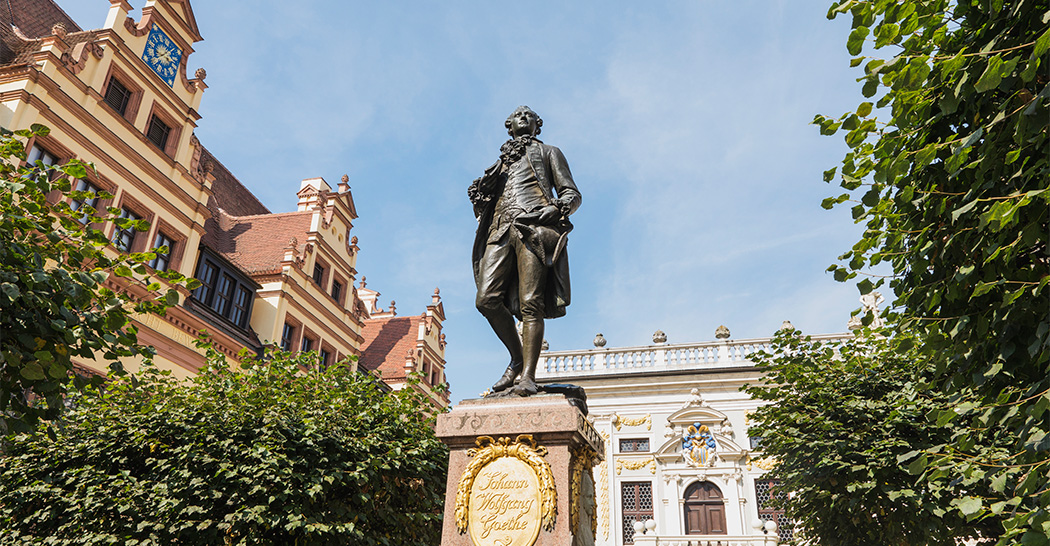
A bastion of German classical music, Leipzig is the city where Richard Wagner was born and educated. Bach worked here between 1723 and 1750 and his legacy is honoured with the annual International Bach Competition and the Bachfest music festival. Music is part of the city’s soul and identity, and for centuries it has attracted musicians and musical institutions. As a result, nine locations with musical significance around the city – from churches to educational establishments – were awarded the European Heritage Label. These locations, known collectively as Leipzig’s Musical Heritage Sites, represent various episodes from the city’s musical history and showcase the range of musical activities which have taken place in the city since the 13th century. While in town, stroll through the 5.3km Leipziger Notenspur (Music Trail) – it includes the Museum of Musical Instruments and the Arabian Coffee Tree, the oldest coffee house in Germany. The city is also home to the Leipziger Improvisationsfestival für Alte Musik, or the Leipzig Improvisation Festival for Old Music, a festival that regards historical improvisational practices as a piece of cultural heritage and features a mix of concerts, workshops and jam sessions. On top of this, you might want to check Melt!, Full Force and Splash!, Three festivals that take place to the north at the Ferropolis open air venue. Ferropolis is a living museum full of impressive industrial history which serves as a unique backdrop for concerts and events.
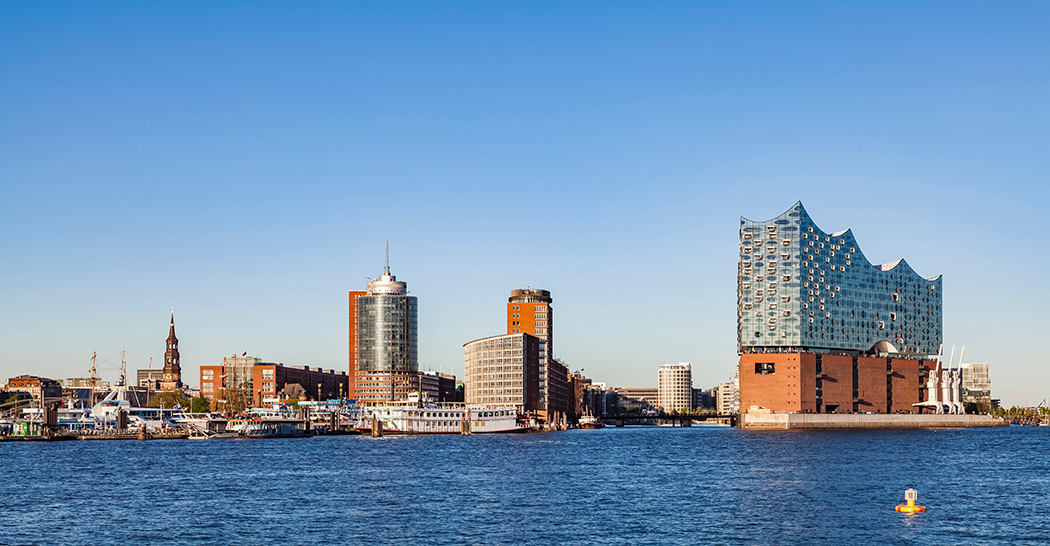
Known in Germany as the ‘Gateway to the World’, Hamburg is Germany’s second-largest city. It was one of the founding cities of the Music Cities Network, an international association uniting music cities and policy makers. The city was also the birthplace of the Hamburger Schule (Hamburg School), a music movement that paved the way for German-language pop music. Two of its districts, Speicherstadt and Kontorhaus, are UNESCO World Heritage sites. While in town, be sure to visit the St. Pauli area – also famous for its numerous music clubs where a lot of musicians like the Beatles started their career. You can also discover the winners of the Music Moves Europe Awards at the annual Reeperbahn festival. Finally, don’t miss the Elbphilharmonie, Hamburg’s new landmark – a concert hall in a former harbour warehouse. Also worth mentioning is the Wacken Open Air Festival, one of the most iconic heavy metal music festivals in the world, which takes place close to Hamburg.
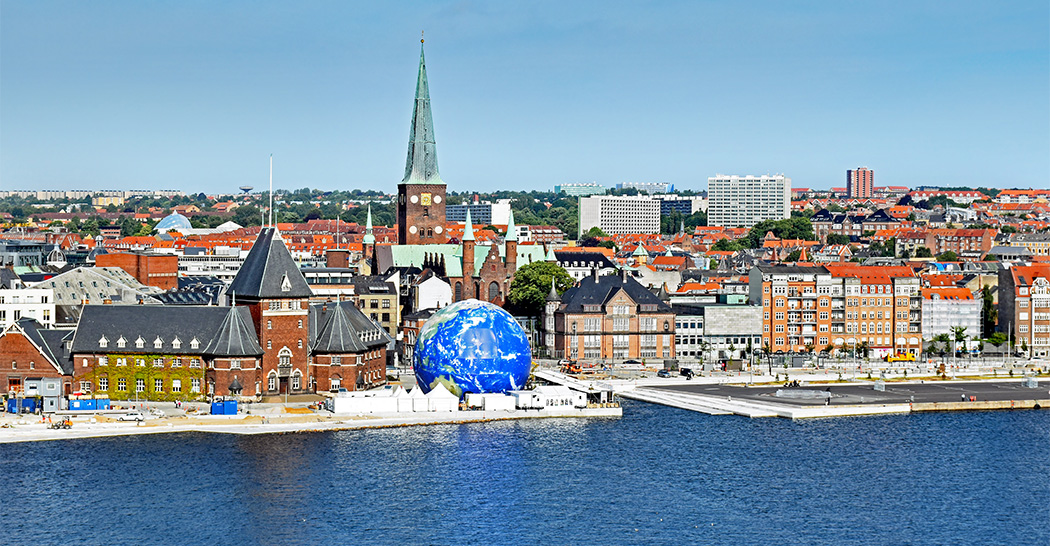
Music has always been an important part of Aarhus’ cultural DNA. The city is part of the Music Cities Network and was crowned European Capital of Culture in 2017. From grand concerts at Musikhuset Aarhus to rock concerts at VoxHall, there's something to suit every music taste. The Aarhus Festival consists of over 1,000 events over 10 days featuring international and local artists appealing to people of all ages, making it one of the largest cultural events in Northern Europe. Aarhus is also home to the Aarhus Jazz Festival, an eight-day festival featuring hundreds of concerts around the city, many of which are free to attend. For a dose of history, visit Den Gamle By, a large, maze-like open-air museum that recreates Danish life in the 18th and 19th centuries. A visit to Aarhus is not complete without walking on the Rainbow Panorama, the 150-metre circular walkway perched atop the ARoS Art Museum.
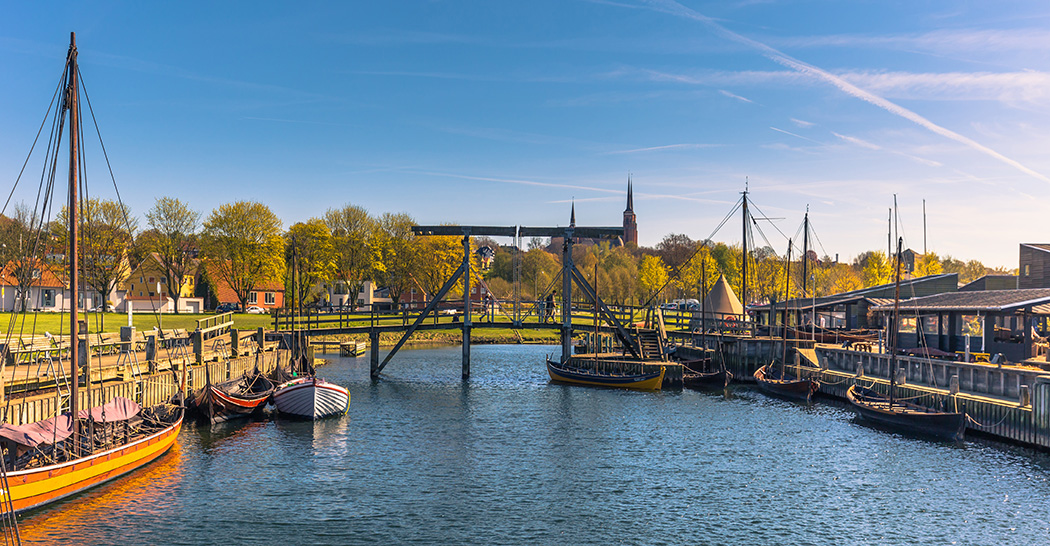
Roskilde is a culture-rich city that is synonymous with its music-festival. The main musical events take place over a four-day period, though you may be able to access the venue before the festival starts to enjoy the ambience. The Roskilde festival is the largest in the Nordics and is so important to the city that it has spawned the Musicon, a cultural hub housed in a former concrete factory. What’s more, the festival is run not by the city itself, but instead by the Roskilde Festival Charity Society, a non-profit that has donated over €55 million to humanitarian, cultural and non-profit projects all over the world since 1971. When in Roskilde, don’t miss a visit to Ragnarock, a museum dedicated to rock music, pop music and youth culture.
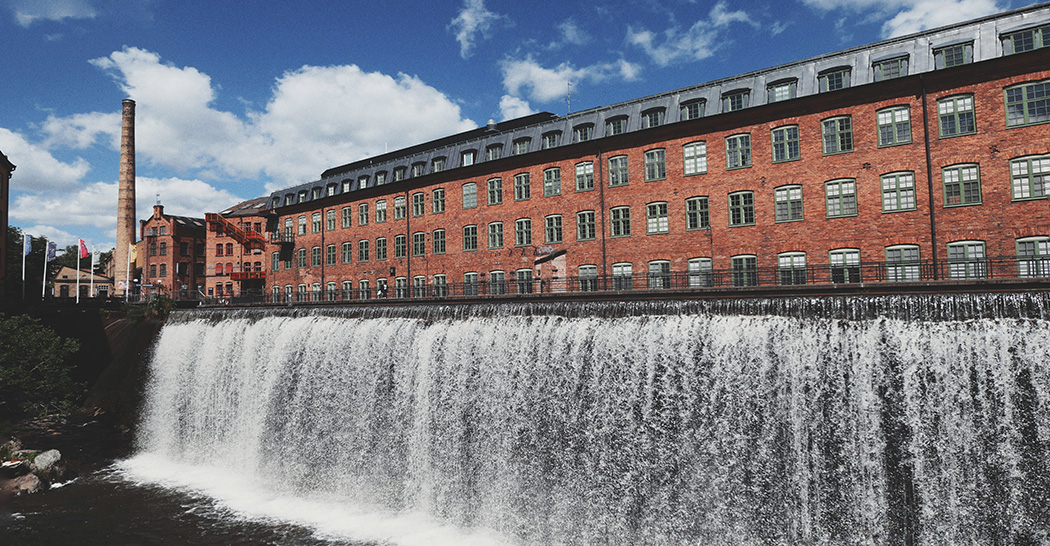
Located by the Baltic Sea on Sweden’s east coast, Norrköping was prominent during the Industrial Revolution. A UNESCO City of Music since 2017, it has a rich music scene that covers genres from classic to electronic. The Norrköping Symphony Orchestra is one of the most famous in Scandinavia, with as many as 85 musicians.
Norrköping actively integrates its cultural and creative industries into its urban development. The old concert hall Hörsalen is being transformed into a music hub for young people and the music industry supports the migrant community with employment opportunities.
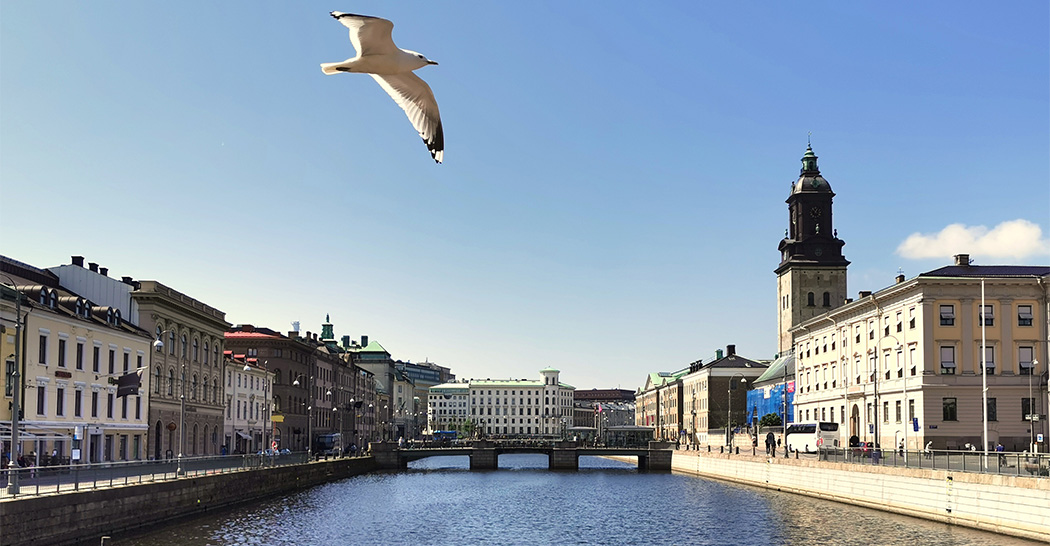
Founded in 1621 as a commercial fishing hub, Gothenburg is Sweden’s second-largest city and a founding member of the Music Cities Network. It has a vibrant music tradition and is the birthplace of many notable musicians, including ABBA’s Björn Ulvaeus and singer-songwriter José González. The city’s musical traditions are reflected in the Way Out West festival, a three-day event featuring iconic musicians and groups ranging from hip-hop to alternative rock and electronica. The city’s efforts to make transport, housing and employment accessible to people with disabilities and the elderly were rewarded in 2014 when it won the EU Access City Award that year. Take a walk along its canals and discover the Feskekôrka, the historic fish market with its unusual church-like shape. Then, stop and indulge in the Swedish custom of ‘fika’, a break to drink coffee and eat cakes with others, in Haga. Originally planned as Gothenburg’s first suburb in the 17th century, this inspiring neighbourhood is now an unmissable area of the city centre, with its cobbled streets and well-preserved wooden houses from the 19th century.
European Capital of Culture in 2008, Stavanger is home to several annual celebrations of music, with festivals for jazz, folk music, rock and more. Perhaps the most famous is the Stavanger International Chamber Music Festival, where world-renowned soloists perform together with newly discovered talents.
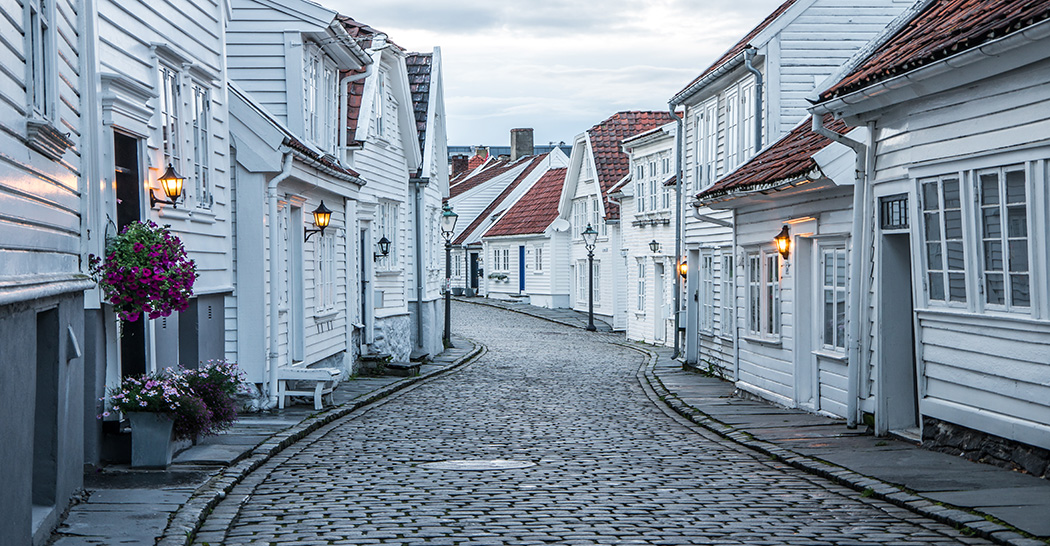
For a dose of history, visit Gamle Stavanger, a small historic area with over 170 beautifully restored wooden buildings from the 18th and 19th centuries. Need some nature? Take a boat tour to experience the Lysefjord and the Pulpit Rock, which rises 600m above you.