

Bonn was the capital of the Federal Republic of Germany until 1990. Its history is well-documented in the Haus der Geschichte (House of the History of the Federal Republic of Germany), one of the most popular German museums.
Bonn's cultural importance is underlined by its status as the home of the famous German composer Ludwig van Beethoven. The city boasts the largest Beethoven collection in the world, with original scores and instruments displayed in the house where he was born.

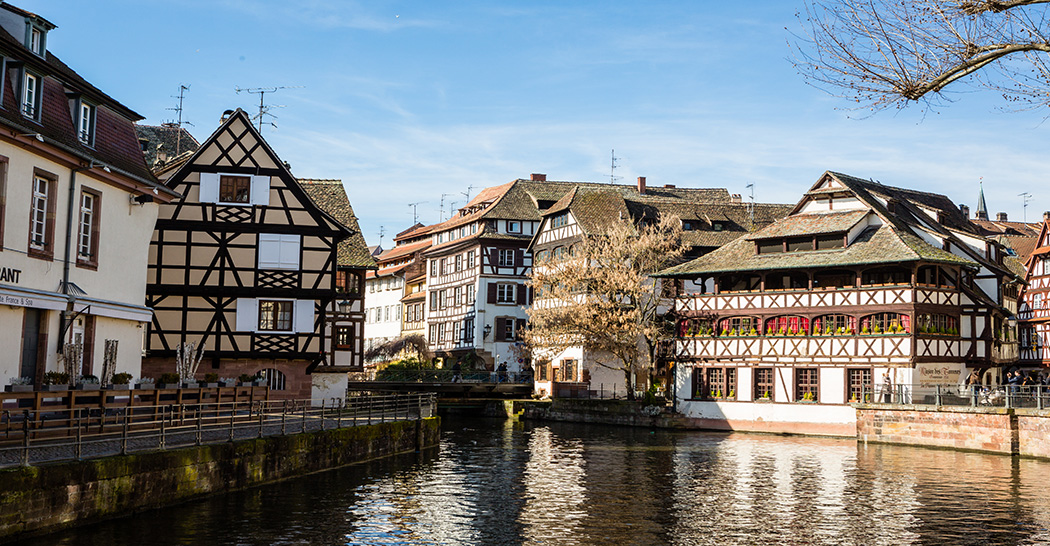
A historically rich city, Strasbourg changed its nationality four times in 75 years, between 1870 and 1945. Its city centre, a marriage of French and Germanic influences, is a UNESCO heritage site. The European district, awarded the European Heritage Label in 2015 for the role in European integration and democracy, features some superb showpieces of contemporary architecture, including the European Parliament. When in Strasbourg, head to the bridge in the Two Shores Garden – there you can stand with one foot in France and the other in Germany. The city’s connection to both France and Germany made it the perfect location for the establishment of the Council of Europe in 1949, the European Parliament in 1958 and the European Court of Human Rights in 1959. Explore the city’s bustling European District, which was awarded the European Heritage Label in 2015.
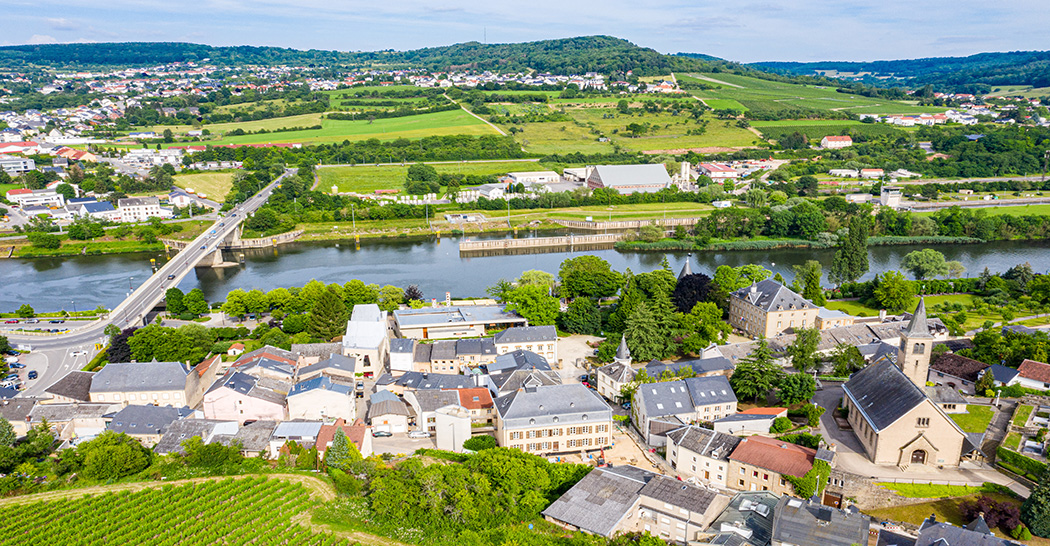
A small village in south-eastern Luxembourg, Schengen is situated at the border triangle of Germany, France and Luxembourg. It is here that the Schengen Agreement was signed, abolishing checks at internal borders between most of the EU countries. Additionally, also the non-EU States Iceland, Norway, Switzerland and Liechtenstein have joined the Schengen Area. A visit to the European Museum is a must when in Schengen – here you can learn about how Europe evolved towards a more united continent with common citizenship. The village is also known for its many wineries and vineyards. Take a stroll along the Moselle river, lined with numerous vineyards, for a quiet and relaxing afternoon. The village of Schengen was awarded the European Heritage label in 2017.
Located in the south of Luxembourg, Esch-sur-Alzette is the second largest city in the country after the capital. What used to be known as an industrial mining town has in recent years evolved into a cultural hotspot in its own right – so much so that the city currently holds the title of European Capital of Culture 2022. The key to its transformation is reimagining old buildings - Blast Furnace Belval, in the west of Esch, now hosts the University of Luxembourg and Rockhal, Luxembourg’s largest music venue.

Tournai was the first capital of France and one of the oldest cities in Belgium, at over 2,000 years old. Its unique five-towered Notre Dame Cathedral, an imposing structure that’s impossible to miss, is a UNESCO World Heritage Site – and so is its belfry, the oldest in Belgium.
Fascinated by history? Learn all about the lifestyles of the locals in the 23 exhibition rooms of the Maison Tournaisienne – Musée de Folklore. Or visit the Tournai Tapestry Museum with its collection of 250 tapestry masterpieces – some of them date back to the 15th century!

A city steeped in European tradition, Maastricht is a symbol of European integration; it was here that in 1992 the then 12 EU Member States agreed to the monetary union that led to the introduction of the euro. The Maastricht Treaty, which itself holds a European Heritage Label, also included provisions to extend EU competences to culture and environment, among others.
Maastricht is a city of markets. Its main one is open every Wednesday and Friday, and on other days you will find a fish market, flea market and an organic market around the city. Try a slice of Limburg’s vlaai, a hearty fruit tart traditional to the region.

Home to the oldest university in The Netherlands, Leiden is known as the ‘City of Discoveries’ since many of the world’s ground-breaking discoveries were made there. The Big Bang, the Milky Way or superconductivity are just a few.
When in Leiden, visit the Naturalis Biodiversity Centre – named European Museum of the Year 2021 for its compelling collection of natural exhibits. Also, not-to-be-missed - a tour of the more-than-100 poems, in various languages, which adorn the exterior walls of its buildings.
