
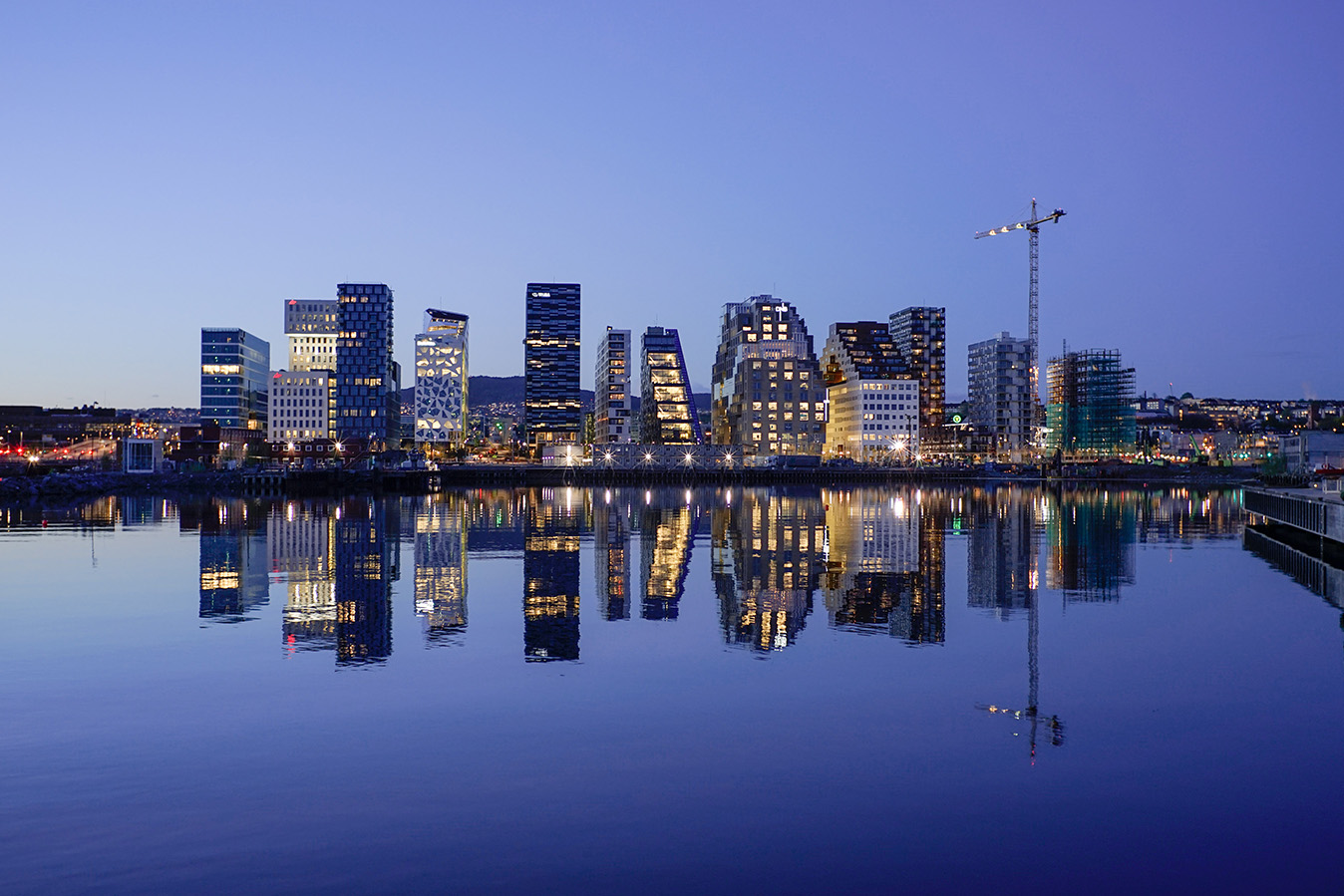
Oslo is a perfect example of a city that combines beautiful old buildings with modern architecture in an urban space that’s sustainable and accessible for all. Norway, together with other Nordic countries, is part of a New European Bauhaus (NEB) Lab – the Nordic Carbon Neutral Bauhaus project, which explores architecture, design and art to look for ways to build things and live in a carbon-neutral and inclusive way.
As the European Green Capital 2019, Oslo has many attractions that were built with accessibility in mind. Visit the new National Museum – the largest art museum in the Nordic countries – and you’ll see how it aims to make art available to everyone. That doesn’t just mean children and families, but people with a variety of needs, like wheelchair users, people with vision or hearing impairments, and those who need assistance dogs. Besides promoting inclusivity, the new museum places a strong emphasis on sustainability and was developed with ambitious climate goals in mind, as part of a pilot project from Norway’s FutureBuilt programme. Another place to see is Schandorff Square, which was transformed from a car park into an urban green space.
While you’re in Oslo, don’t miss the chance to immerse yourself in the culture of Europe’s last surviving indigenous people, the Sami, with a visit to the Norsk Folkemuseum.
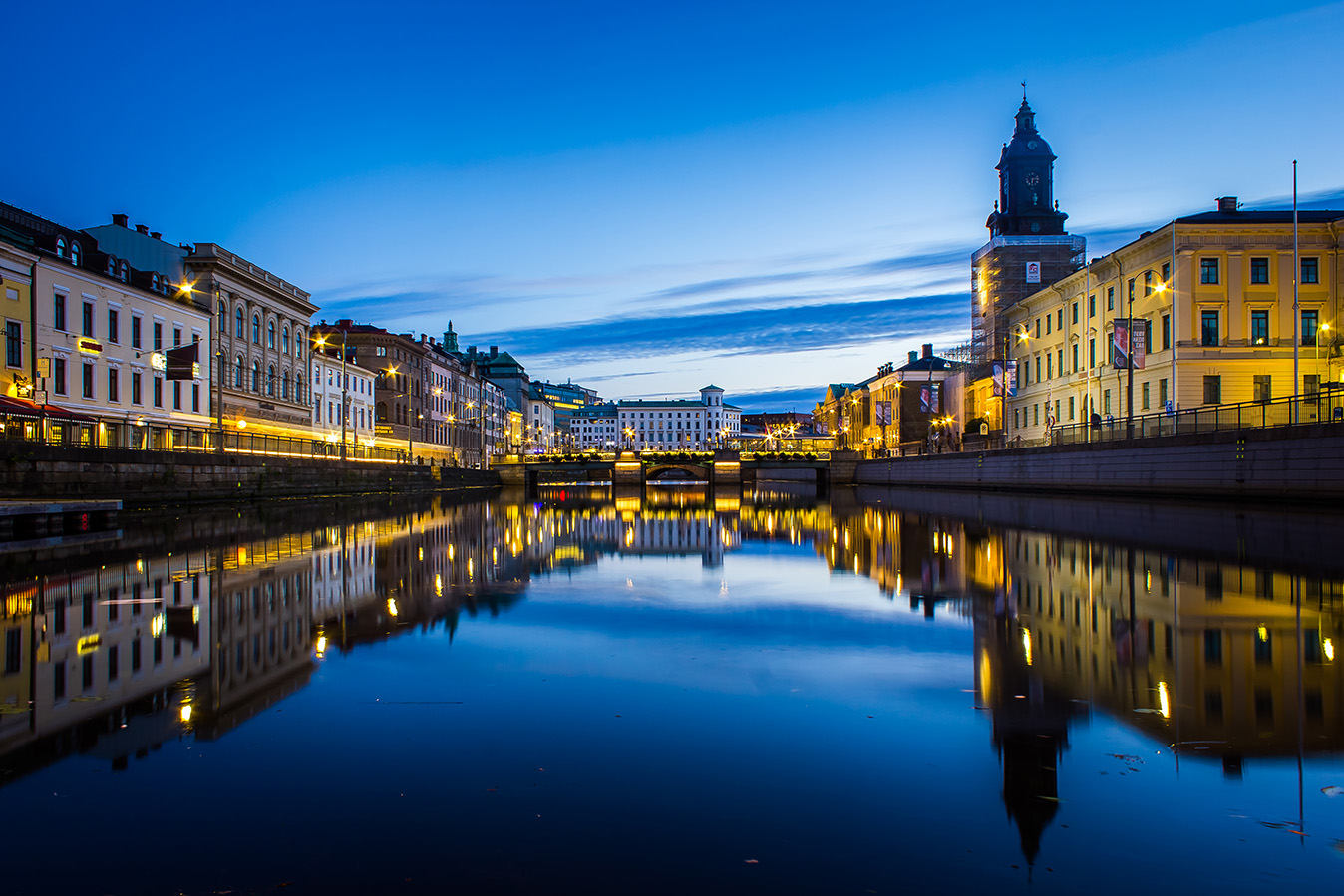
Historically known for its seaport (the largest in the Nordic countries), Gothenburg has evolved over the years into a vibrant urban centre, full of green, sustainable and inclusive spaces, that fully reflects the New European Bauhaus (NEB) values.
Visitors to the Regnlekplatsen Park will find a traditional city park that has been transformed into a modern ‘rain’ playground, with options for playing outdoors even when it rains. Although the playground was built for children, it is a public space that people of all ages can enjoy, and a hidden gem for the residents of Gothenburg.
If you visit this year, you’ll be part of something special. Gothenburg will be celebrating its COVID-delayed 400th anniversary by turning the city's public spaces into an open-air exhibition. It will showcase projects developed from ideas proposed by local residents, with a focus on urban transformation, sustainability and inclusion.
Gothenburg recently received a silver award in the first ever edition of the EU’s Capitals of Diversity and Inclusion Awards for supporting inclusion of the Romani community. Also known for its initiatives to support LGBTQ+ families in pre-schools, Gothenburg was an Access City Award winner in 2014, and was named a European Capital of Smart Tourism in 2020.
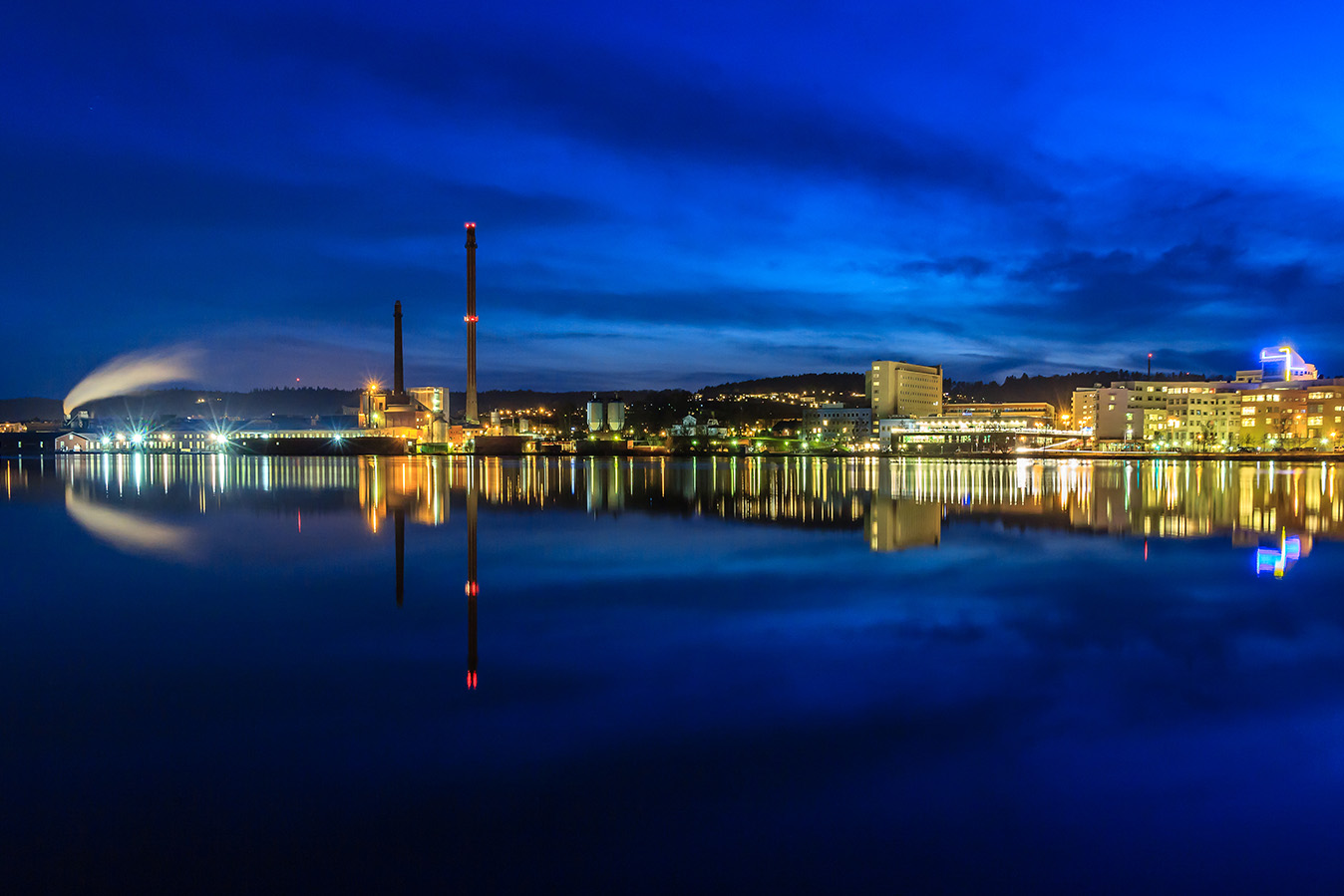
In full compliance with the values of the New European Bauhaus (NEB), Jönköping is a city that works closely with people of all ages and social groups in its urban development. It won the Access City Award in 2021 for making the city more accessible for those with disabilities. City-wide improvements include tactile maps and signage, accessible audio guides, tactile paving, easy-to-read city information, accessible pavements, and barrier-free wheelchair access.
The city’s Österängens Konsthall contemporary art museum is definitely worth a visit. It’s part of a Swedish movement to make art more accessible for people of all ages and backgrounds, and offers workshops for kids while also serving as a community centre.
Heading outdoors, Jönköping is popular for its well-designed and accessible nature activities, with a whole list of wheelchair-friendly hiking trails around the city. The city’s beloved main park is also a must-see, with untouched natural areas, animal enclosures, an open-air museum and bird museum, restaurants and cafés, a playground, mini-golf, and a stadium – not forgetting its trails dedicated to Sweden’s most prominent women.
Holbæk is a destination that is off the beaten track, but with plenty to offer. In the harbour, you’ll find beautiful, old wooden ships, as well as restaurants and places to borrow a bike free of charge. If you’re interested in history, visiting the Holbæk museum – a complex of 12 houses showing how people lived in Holbæk over the centuries – is a must.
Its Homeless Housing project by Astrid Lykke Nielsen was the New European Bauhaus (NEB) Rising Star Award winner in 2021. The project aims to fill the void left by current housing systems by providing alternatives that prioritise a sense of community as well as individual privacy. Developing permanent, sustainable, attractive and high-quality homes for citizens experiencing homelessness, ‘Homeless Housing’ aims to avoid the temporary mindset of many homeless-housing solutions.
Elsewhere, the city focuses on activities for older people. For example, it has dedicated activity and health centres, and has set up an elected Senior Council, which works with the city council to raise issues that are important to older members of the community.
Don’t miss the hiking routes that connect the city with nearby towns. Among the most popular routes are the fjord, ice age and wetlands trails, which can be reached either on foot or by bike. Plus, the observatory in Brorfelde's hills, just outside the city, is Denmark’s largest. It is accessible by wheelchair and offers activities day and night.
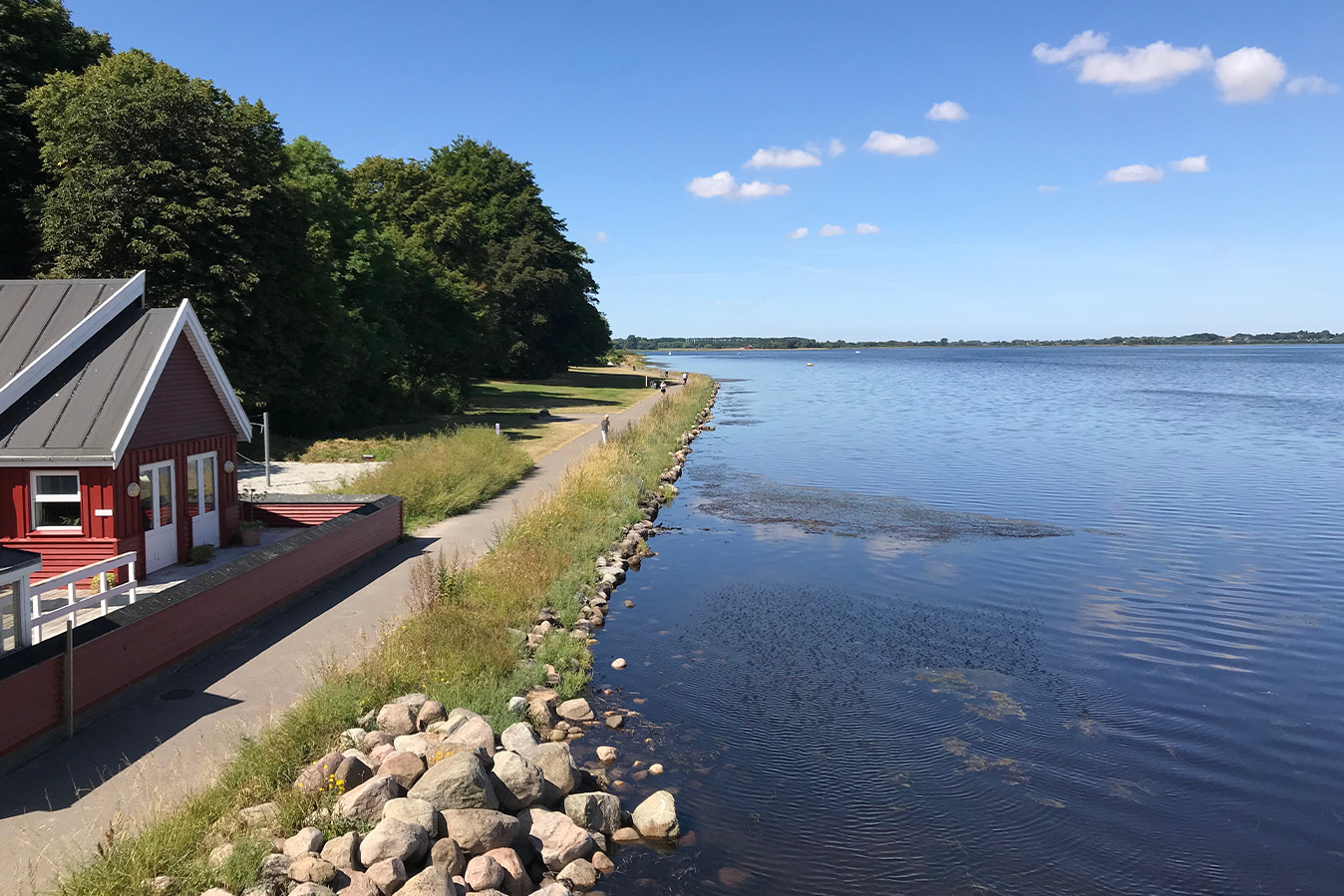
Denmark is known for its elegant and functional design aesthetic, and its people’s skill for staying cosy and happy during the long winters (hygge). Copenhagen is an excellent example of these attributes. Plus, it’s one of the most bike-friendly cities in the world and has been named as one of the happiest cities to live in. A real reflection of the New European Bauhaus (NEB) values!
Copenhagen won the Eurocities Award 2021 for its city-wide design project involving 300 sites that are designed to store excess rainwater while enhancing public spaces. In addition, the city was named the World Capital of Architecture for 2023 by UNESCO, not least because of the presence of the Bjarke Ingels Group. Check out their waste-to-energy ski slope!
Meanwhile, the old Billedvej building is a balanced mix of old and new. The project repurposed an existing building on the site and extended it vertically to accommodate both businesses and people, balancing private, public and common spaces. By combining different-sized apartments, it is designed for tenants with different levels of income. This approach is known to increase tolerance for diversity and improve housing quality, which contributes to social sustainability.
Copenhagen is also home to the Blue Planet Aquarium, which is fully accessible to people with disabilities. The building also stands out for its innovative and sustainable architecture. From above, the aquarium resembles a giant whirlpool, and from ground level it appears to float in a reflective, circular pool.
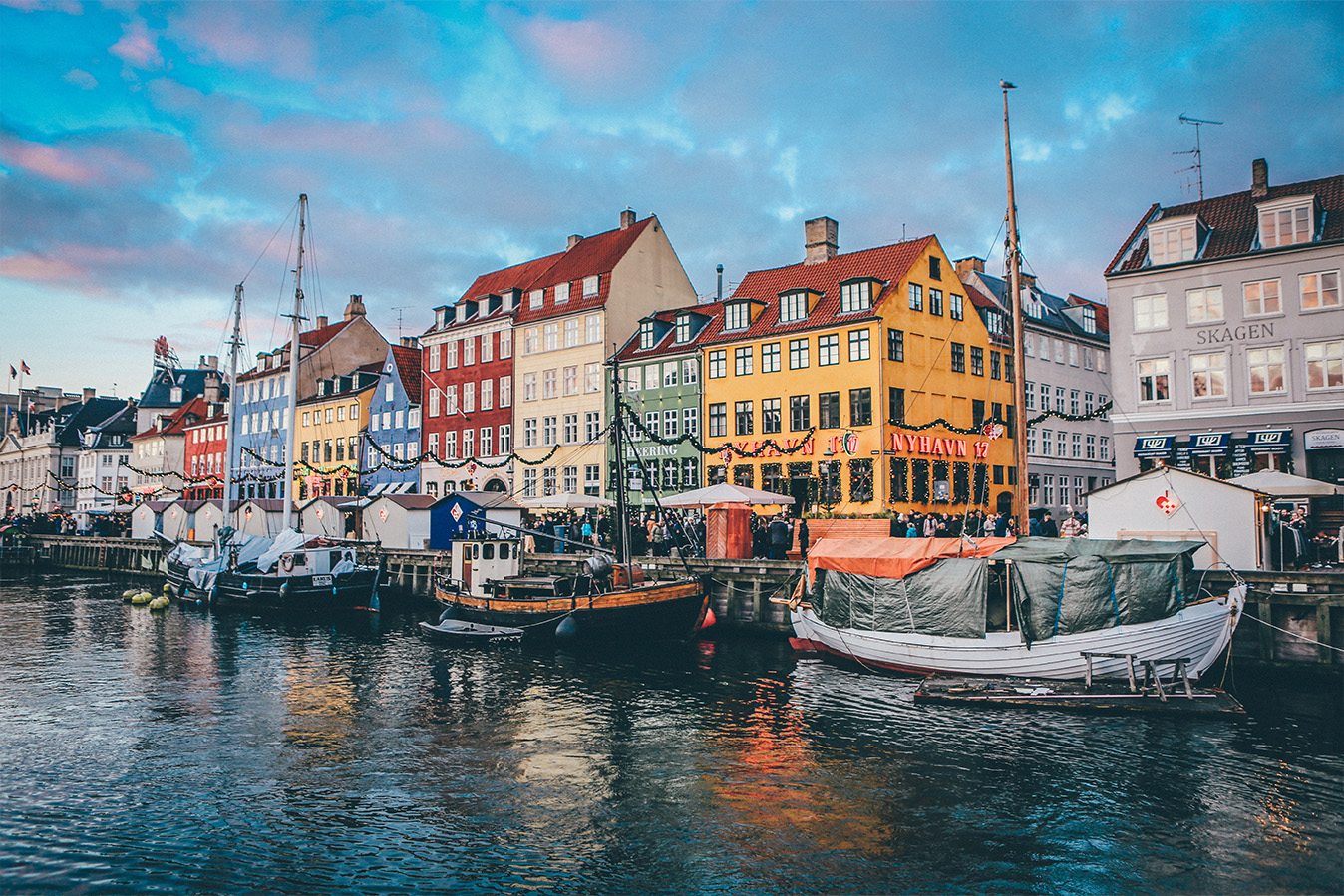
Hamburg is known for its green and sustainable initiatives reflecting the New European Bauhaus (NEB) values and objectives. In 2021, it won the Green City of the Year award, and it was named European Green Capital in 2011. As well as its sustainable, green ideas, its neighbourhoods are examples of truly inclusive and modern metropolitan areas, making the city well worth a visit.
HafenCity is one of Hamburg’s most ambitious inner-city developments. In just a few years, HafenCity was transformed from an industrial port with almost no residents into an urban space with a diverse social and cultural landscape. Unlike many popular inner-city areas, the development is not dominated by single-person households. The wide range of living concepts, price levels and architectural styles attracts a diverse mix of residents, alongside social organisations that are active in the care and nursing sectors. Several spaces in the adjacent historic warehouse district (Speicherstadt), as UNESCO World Heritage Sites, are well worth a visit. Meanwhile the Elbphilharmonie Hamburg concert hall, which opened in 2017, has a striking modern façade.
At the Hamburg’s legendary fish market, which opens at 5 a.m. or 7 a.m. on Sundays, you’ll see a cross-section of the city’s inhabitants. Early birds and night owls vendors loudly promoting their products (not just fish, but fruit, vegetables, cheese and more), and families doing their weekly shop.
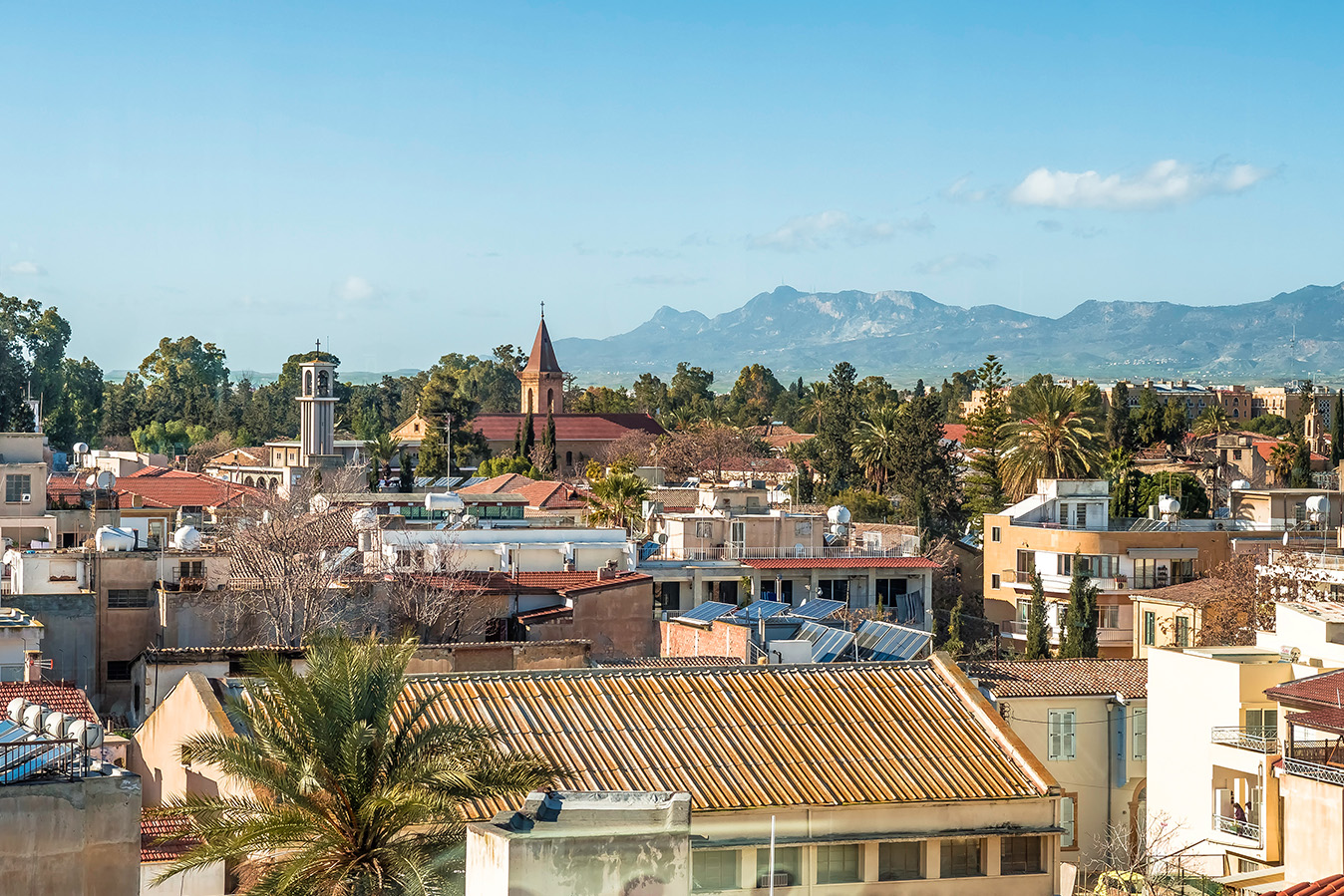
Nicosia has a rich and tense history. The city is considered the ‘world’s last divided capital’. A distinctive feature marked by the Green Line, which delimits the Greek-speaking community from the Turkish-speaking community in the North. However, thanks to a loosening of border restrictions in the early 2000s, you can visit both sides of Nicosia.
In places with such a divisive history, it’s important to look for unity. The Cypriot capital is home to the New European Bauhaus (NEB) project, Gardens of the Future, which won the public vote in the ‘Regaining a sense of belonging’ category. The gardens are designed to be an inclusive, shared space that can help to unite communities, and revive people’s sense of belonging and connection.
The Gardens of the Future project has four key aims: to encourage sustainable development; to play a role in the circular economy by using a ‘building from waste’ philosophy; to enable locals to become agricultural entrepreneurs and support their green social ambition; and to have scalable impact, acting as a beacon for other similar projects across Cyprus.
Although Nicosia looks to the future, it has a rich history for you to explore when you visit. The Cyprus Museum contains some of the island’s archaeological finds, like pottery, jewellery, sculptures and coins, dating all the way back to the Neolithic period, Ice Age, Bronze Age and Greco-Roman times.