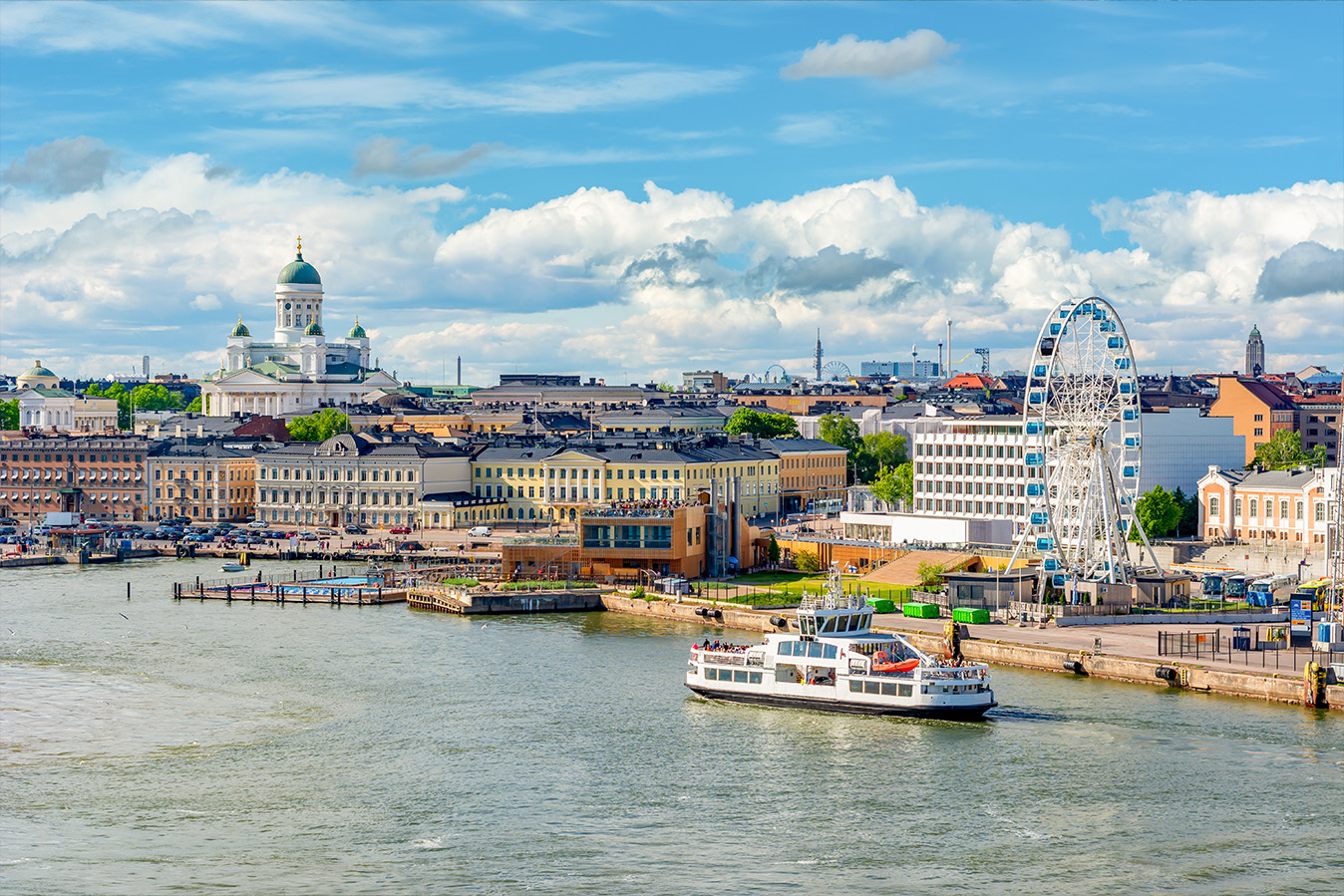

Białystok’s nickname as the ‘green lungs’ of Poland speaks for itself: with its parks, squares and forests, a third of the city is occupied by nature in complete harmony with the sustainable urban development promoted by the New European Bauhaus (NEB).
The city’s first ‘pocket park’ is a real breakthrough. Designed for people of all ages, this tiny but welcoming park has dedicated benches for older and disabled people, swings for children, environmentally friendly lighting, and bicycle racks.
Thanks to Białystok’s proximity to Poland’s borders with Lithuania, Russia, Belarus and Ukraine, the city has attracted quite a lot of migrants over the years, which has fed its spirit of openness. Alongside the majority Jewish population that dates back to the 1900s, there is now also a small Tatar Muslim community with an Islamic centre and a house of prayer.
For a sophisticated evening out, The Podlasie Opera and Philharmonic is the city’s biggest and most modern cultural institution. And with its glass structure, natural interior décor and panoramic views from its plant-covered roof, it’s definitely worth a visit.
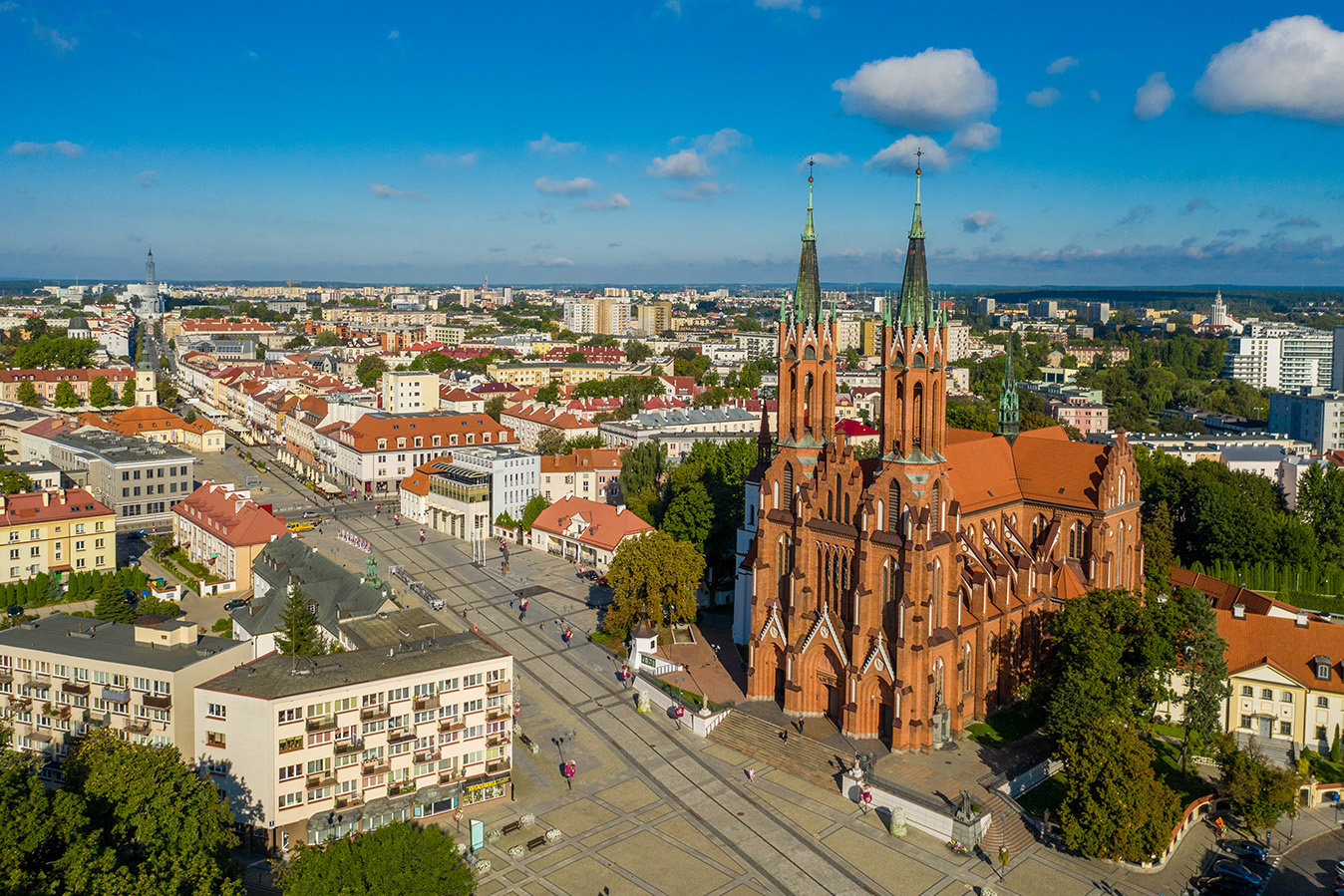
The second largest city in Lithuania, situated where the Nemunas and Neris rivers meet, Kaunas embodies the spirit of freedom of thought. No wonder the city has a street named Avenue of Freedom (Laisves Aleja in Lithuanian), which at 1.6 km is one of Europe’s longest.
As part of the New European Bauhaus (NEB) Festival, this modern city hosted a side event on the role of design in a circular economy. The city is also home to the Genius Loci digital mapping tool, which was designed and created by citizens to safeguard and monitor the urban development of the Šančiai district. Together, the maps create conditions for strengthening and enabling collective citizenship.
As part of Kaunas 2022 European Capital of Culture, the city is progressively turning into ‘one big stage for Europe’, hosting hundreds of different indoor and outdoor events.
While you’re there, you could pay a visit to the NEMUNO7 ship, an ECOC flagship venue reflecting the values of the New European Bauhaus. This old digger boat has been transformed into a cultural space to encourage reflection on the role that water plays in nature.
Inclusion and accessibility are key features in several spots around the city. For example, the Historical Presidential Palace provides accessible guides in six languages, including sign language and braille. And if you fancy learning more about the city’s history, the Citytelling Festival, which brings together museologists, playwrights, historians, storytellers and local activists, celebrates the multi-ethnic ‘memory of Kaunas’.
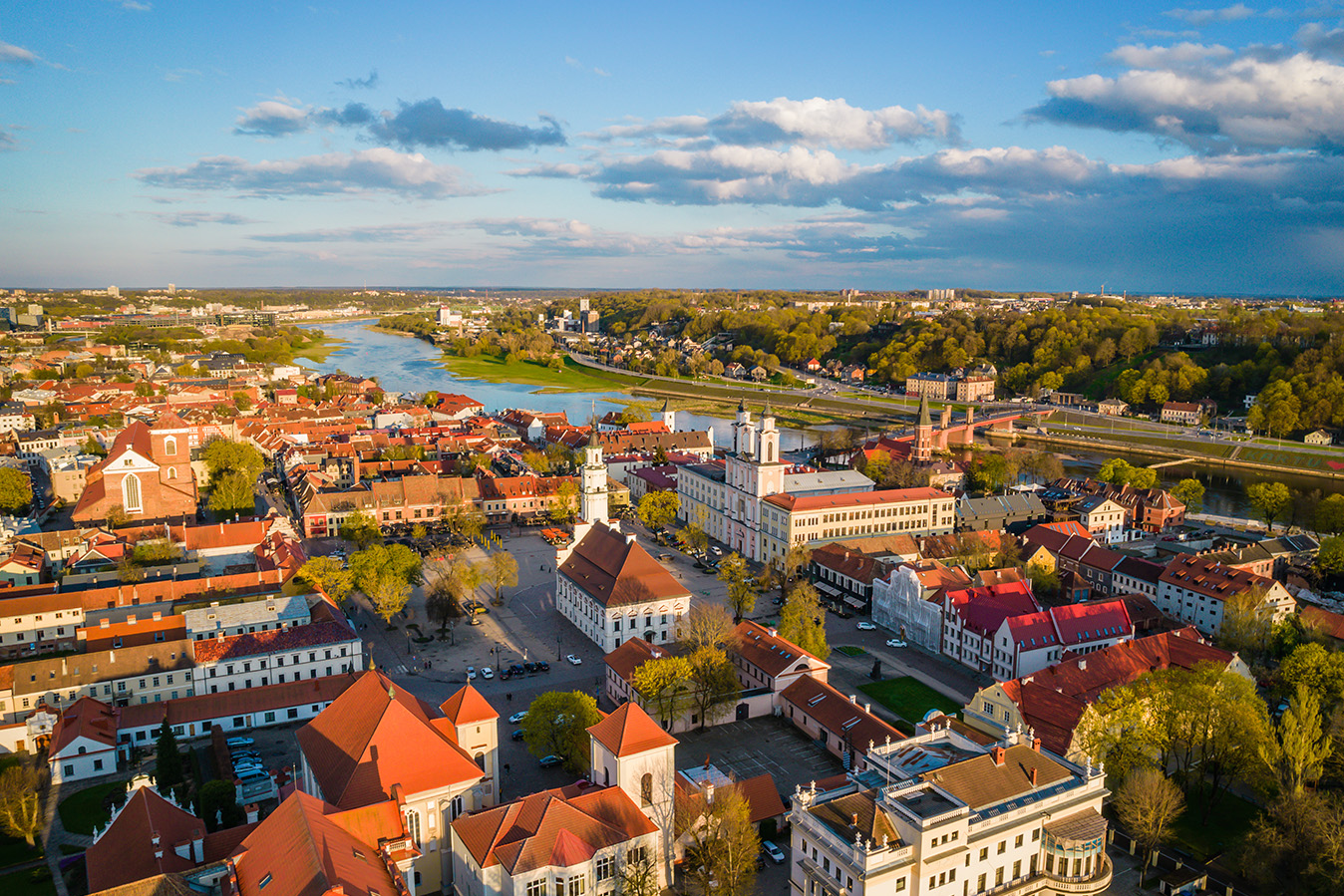
Did you know that Riga has the highest concentration of Art Nouveau architecture anywhere in the world? Take the opportunity to get lost in the city’s streets as you walk around and gaze up at its gorgeous buildings embracing the New European Bauhaus (NEB) architectural values and objectives.
The Latvian capital is home to various venues founded on the pillars of accessibility and sustainability. For example, the Mežaparks – where recreation, culture and nature converge – is the city's most illustrious park, with houses, dunes, forests and a lake.
Fancy exploring some sites that blend architecture with nature? Then be sure to visit the Ziemeļblāzma cultural palace, which sits in the middle of a large park. Or you can check out the recently renovated Mežaparks Great Bandstand, originally built in the 1950s. This impressive piece of architecture is a multipurpose recreational field, which not only incorporates green spaces, but is surrounded by a forest.
The Ethnographic Open-Air Museum of Latvia is one of the oldest and largest outdoor museums in Europe. Its 118 carefully preserved historical buildings are set against a vast pine forest, giving visitors a feeling of freedom as they explore.
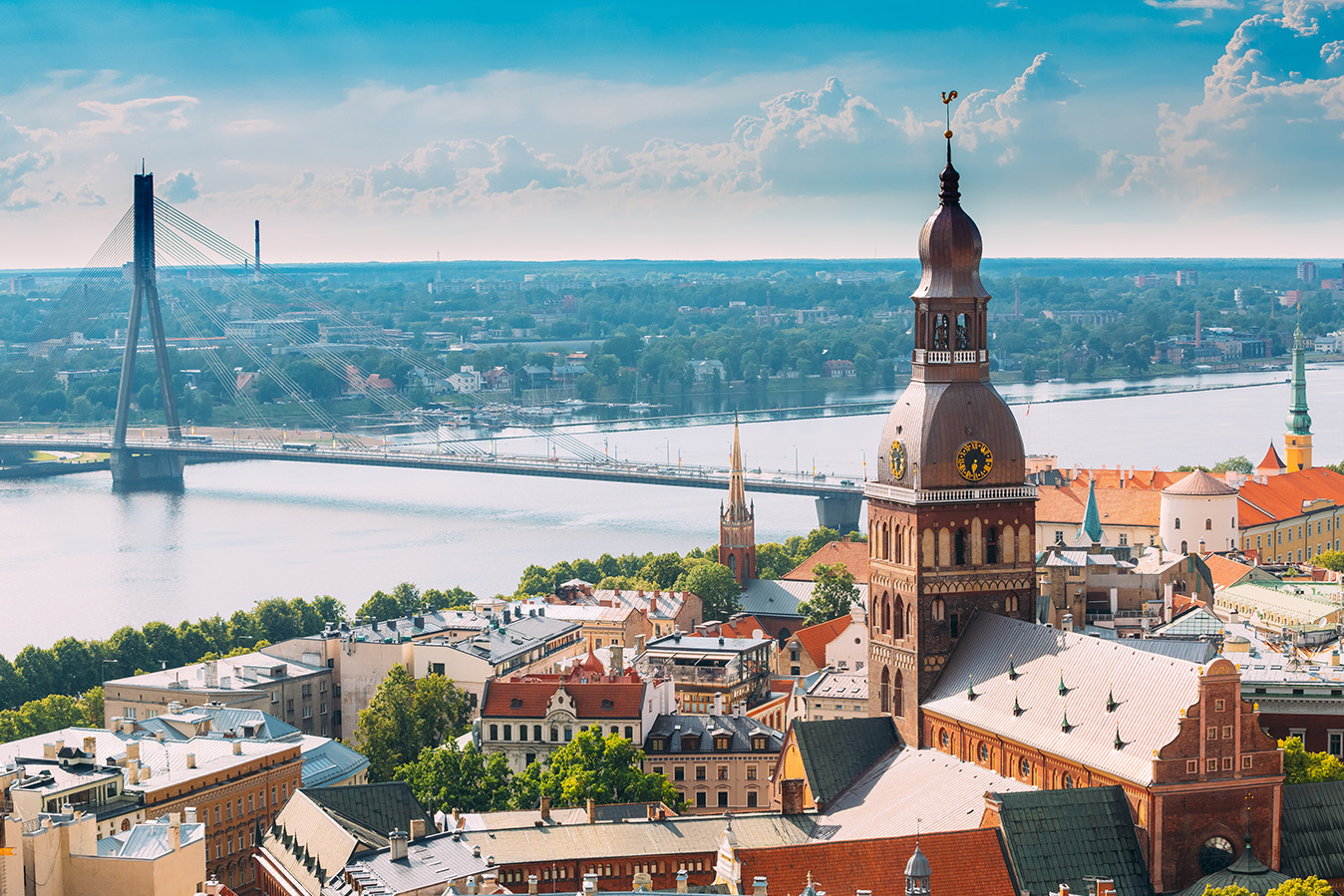
As the European Green Capital of 2023, Tallinn embodies the spirit of the urban avant-garde, freedom, and care for the environment, perfectly representing the meaning of the New European Bauhaus (NEB). The Pollinator Highway integrates nature into the urban landscape by recreating a meadow-like corridor between city districts. Meanwhile, the combination of Tallinn’s medieval history and the post-Soviet influence on its architecture gives the Estonian capital a spirit of versatility and timelessness.
This Baltic coastal city boasts a variety of breathtaking landscapes, often in tandem with sustainable and inclusive spaces, like the Kumu Art Museum. Set against the vast open space of Kadriorg Park, this functional, modern and energy-efficient building embodies Estonian building traditions. And the Telliskivi Creative City cultural centre, where creative communities meet to share inclusive culture, is well worth a visit. Formerly an industrial area, it has been transformed into a venue that hosts all sorts of events: you’ll find exhibitions and concerts, flea markets and festivals, boutiques and bistros.

Finland’s capital is part of the New European Bauhaus (NEB) Hero cities and, in 2021, it hosted a design discussion based on the initiative’s core principles: designing cities in a sustainable and inclusive way.
At the heart of the city is the awe-inspiring Oodi Central Library, made of glass, steel and wood in a combination of traditional and innovative design. Designed to be accessible to anyone, the library’s inclusive spirit enables all citizens, including disadvantaged communities and young people, to access knowledge.
Urban regeneration is a common theme in Helsinki. The Cable Factory, originally built for industry in the 1950s, is now Finland’s largest cultural centre, with five hectares of sports clubs, art schools, museums, galleries, and more.
Looking to escape the noise of the city? Then the Kamppi Chapel is the place for you. This wooden ‘Chapel of Silence’ is the perfect spot to clear your mind, and enjoy some peace and quiet.