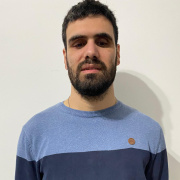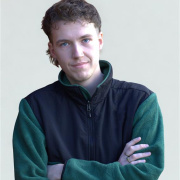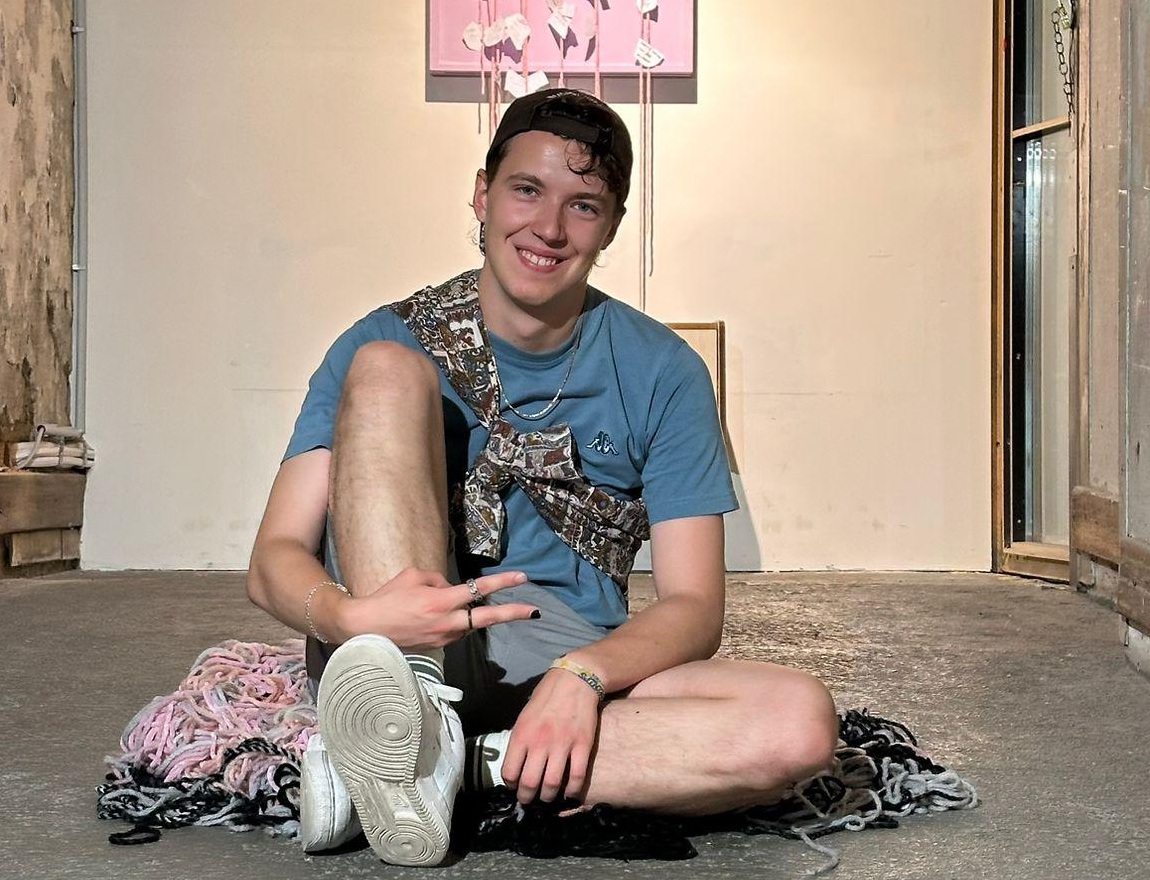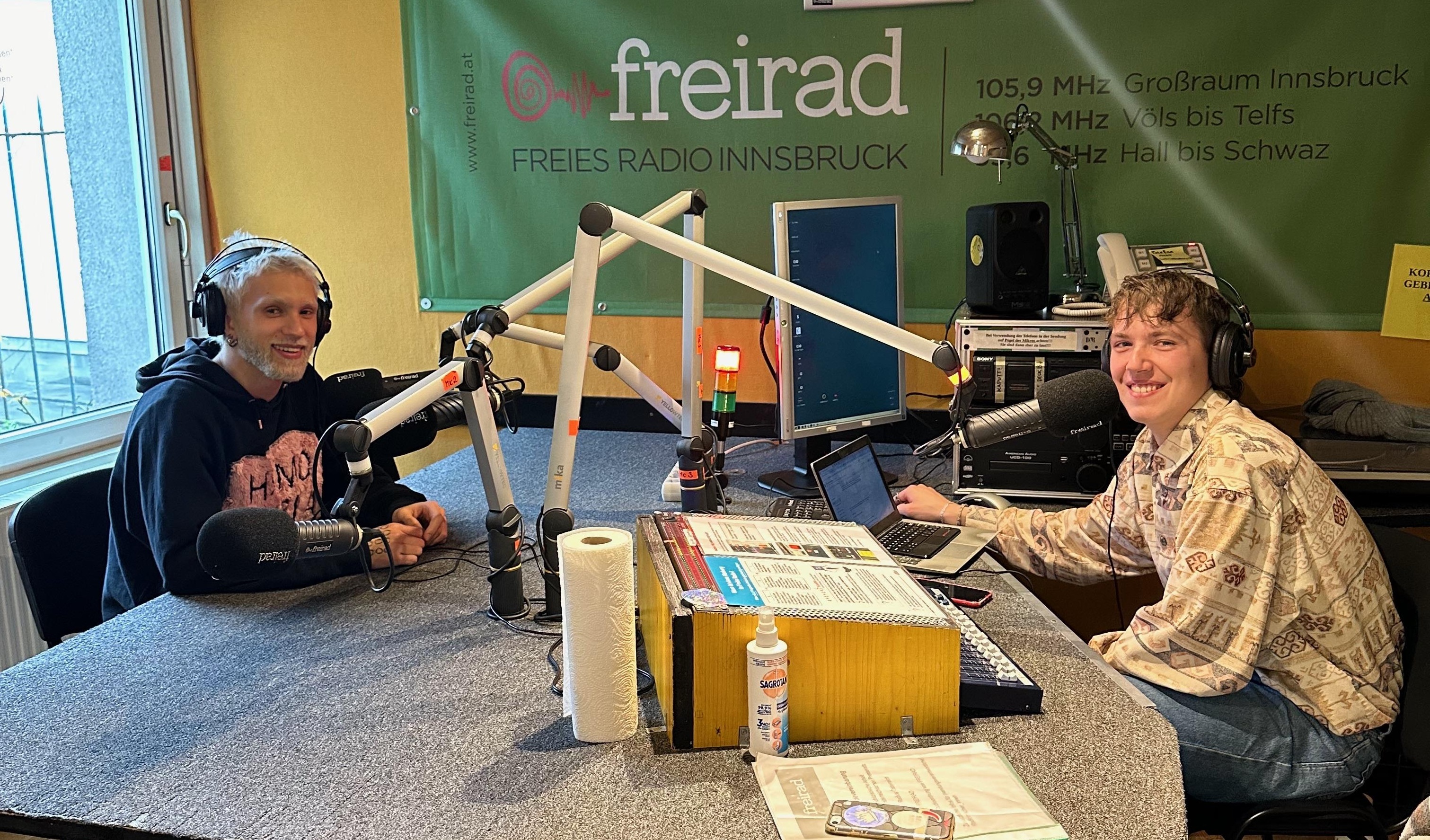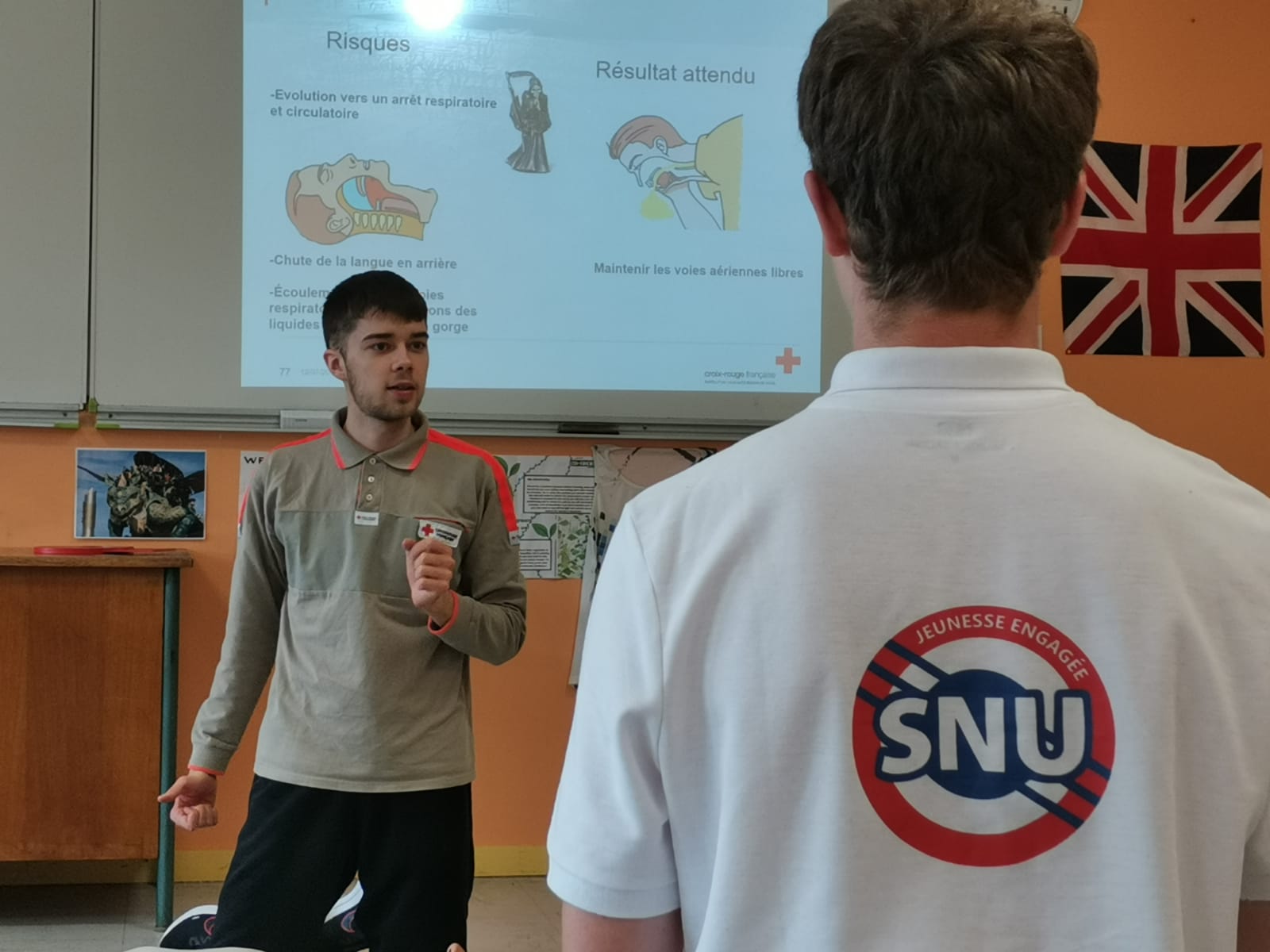

From September 2024 to June 2025, I was an assistant teacher in Michaël Steiner School in Turnhout (Belgium) thanks to the ESC in collaboration with JINT and AFS France & Belgium.
A new start after years of struggle
When I decided to join ESC, I was standing at a turning point in my life. For three years, I had been seriously ill. I spent nearly a full year in the hospital, partially lost my mobility, dropped out of college and lived with daily medical care. My sickness was deeply connected to mental health issues: depression, anxiety, emotional instability and eating disorders. I was on strong medication, had the status of “disabled worker” and my doctor even started mentioning a group home for mentally disabled adults.
I didn’t know whether this ESC experience would finally help me move forward or break me even more. But I chose to take the risk. And I am grateful every day that I did.
Healing without even realising it
The most unexpected result of my ESC experience in Belgium is also the most visible: I lost 25 kilos in ten months, without dieting, exercising intensely or following any strict plan. It happened naturally; through less stress, more joy, and the excitement of discovering a new country, new friends and what I now call my “heart family”.
My body slowly found its balance again. Today, I take care of myself with nourishing food, regular movement, good sleep and rest when I need it. I am learning to fall in love with my body again.
Rediscovering my mental health
ESC didn’t just help my physical health, it transformed my mind. Little by little, my symptoms faded. I reduced my medication drastically and now only take one small pill in the morning, which I am slowly phasing out. Soon, I will be completely free of treatment.
I no longer live in fear, anxiety or the chaos of eating disorders and insomnia. Of course, some days are sadder than others, but no longer in a pathological way. I succeeded.
Living again, truly living
Today, I live on my own in Brussels, in a shared house with other international students. We speak every language imaginable. There are no nurses, no doctors. Just me and friends, living the ordinary life of a young person. My room is clean, bright and spacious, just like my mind feels now.
If I had to summarise everything ESC brought me, it would be this:
Mens sana in corpore sano (meaning: a healthy mind in a healthy body)
Finding peace in my future as a teacher
ESC didn’t just help me heal. It helped me find peace, especially with my professional aspirations. I always knew I wanted to become a teacher, but I was terrified I wouldn’t be good enough. My ESC project as an assistant teacher changed everything. The teacher sometimes let me take care of the class when she needed a break, and it wasn’t chaos at all. It was the opposite: the children were attentive, and I felt fulfilled and confident.
I realised I belonged in this environment of collaboration and knowledge-sharing. That’s why I decided to study for a master in “Teaching French as a Foreign Language” at ULB. With this diploma, I can teach anywhere in the world. I dream of working in the countries my ESC friends come from, to discover their school systems and learn what I want to adapt into my own teaching practice.
After just one year abroad, I suddenly have a plan for the next decade of my life. I no longer feel like I’m running in circles, afraid of missing out on what I could become.
Reconnecting with my French and European identity
ESC also helped me find peace with my identity. Ironically, I never felt more French than when I lived outside of France. I always wished I had another nationality, another language, or a bicultural background. But meeting friends from all over Europe through ESC training made me want to know more about France. Even the things I previously thought were insignificant. I started defining myself more and more through their eyes, because they saw qualities in me that I had never noticed. This experience made me feel whole.
It was also the first time I felt truly glad to be European. I had the chance to live this enriching experience for free, and to understand myself and my neighbours better than ever. I realised subtleties I would never have noticed otherwise.
One example happened during an ESC training game. Someone joked to a team with many German participants: “Don’t raise your right hand too high!” Nobody laughed, but the Germans responded that they never raise their right hand because of the history linked to it. It made me understand the weight this must carry in daily life, even in a simple gesture.
On a lighter note, we taught each other dances, songs and words in languages some of us had never heard before. I even saw the Georgian alphabet for the first time; I had simply never thought about what it could look like.
ESC opened my mind and my heart to what it means to be European. Today, I feel glad and proud of my cultural identity. I want to celebrate it and let it flourish.
In varietate concordia (meaning: unity in diversity).
My language skills
My personal project played a huge role in shaping my new life. First of all, I improved my language skills. Before coming to Belgium, I didn’t speak English. I could understand my Netflix series, but I never had the chance to speak English with anyone. ESC changed that: for the first time, I had real conversations in English. At the beginning my accent was very frenchy, but with time I started speaking more naturally.
I also added Dutch to my CV. I learned it on my own and loved being able to understand children and teachers. It was a stimulating challenge. I am far from bilingual, because what I enjoyed most was learning a language from zero. I prefer the journey to the destination. Now I want to keep learning languages. Why not Danish, Finnish or even Arabic? I am grateful to have rediscovered how a language works and how it can be learned. I genuinely believe many French people would benefit from falling in love with languages again.
Discovering the Steiner school philosophy
My ESC project took place in a Steiner school: a non-traditional system with a very calm and cozy atmosphere. The classrooms looked more like a grandmother’s cabin than a typical school. I felt so comfortable there, and I kept some of their customs: I like lighting a candle when I eat, even when I’m alone. I enjoy putting fresh or dried flowers in the center of the table. I appreciate warm lighting in my room. I try to avoid plastic and shop second-hand whenever possible. I truly became a “natural nerd”!
Most importantly, I learned to slow down. That is the biggest difference between Steiner and traditional schools: the rhythm. Everything is calm, smooth, and slow. Sometimes that was upsetting, even for me. I wanted to go faster because I knew we could. But when I finally accepted the slower pace, I found peace again. I felt complete and I kept habits that changed me for the better.
Sharing what I learned
In the summer of 2025, I worked as a group leader for holidays with mentally disabled adults. During a warm afternoon, I offered them a Steiner-style “aquarelle” activity I had learned during my volunteering. They were all so happy with their paintings.
I also learned practical skills, like how to make a fire: surprisingly useful!
And because I always loved giving presents, I now enjoy preparing them beautifully. It is a small but meaningful gesture. I even bring little flags for every celebration. The photo with my grandparents was taken for their 60th anniversary, and they loved it.


A final thank you
I cannot thank the Steiner Michael School, ESC, JINT and AFS France & Belgium enough for allowing me to be part of this unforgettable adventure. I truly recommend that any young European take this opportunity the European Union gives us. Even if it is not as life-changing as it was for me, I believe it builds confidence, creates incredible memories and helps you get to know yourself. It also makes European youth stronger and wiser, and we all know we need wise youth today.
Updated on Thursday, 04/12/2025