

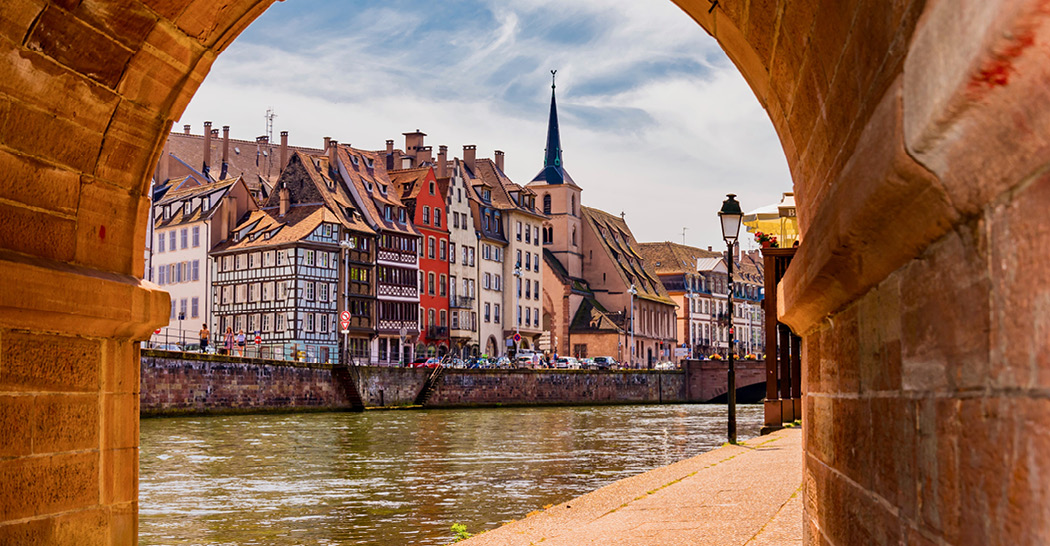
Often thought of as the link between French and German culture, the entire city centre of Strasbourg is a UNESCO heritage site. The city was one of the 2021 European Green Capital finalists, and it is leading the way in terms of fighting climate change and improving air quality. In 2012, Strasbourg launched the All united for more biodiversity charter, which protects the city’s forests, parks and wildlife by creating habitats for species such as bees, discouraging the use of pesticides on crops and installing green roofs on buildings. What’s more, if you’ve always dreamed of being in two countries at once, then Strasbourg is the place to visit. Head to the bridge in the Two Shores Garden – you can stand with one foot in France and the other in Germany!

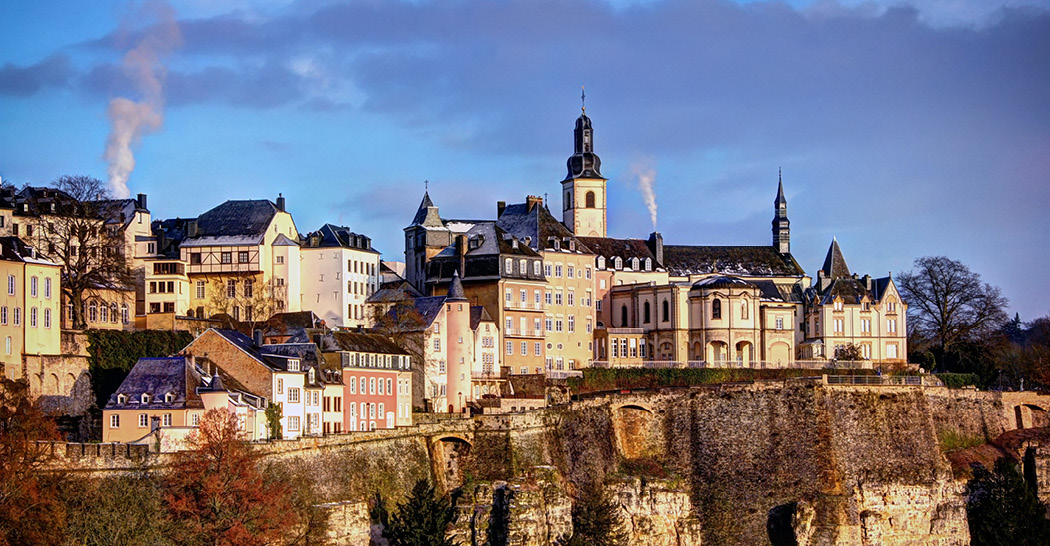
Luxembourg City is the jewel in the crown of Luxembourg – the world’s only Grand Duchy. Over a third of the city is devoted to parks and gardens, and the city is best explored by foot or by bike. Spanning the gorges of the Pétrusse and Alzette rivers, Luxembourg City is a green hotspot not to be missed. All public transport is free within the country, so why not make the most of it by getting a bus from Gare Centrale to the beautiful Lake Echternach. Take a book and some snacks for a picnic and within an hour you’ll be having lunch on the shores of the lake!

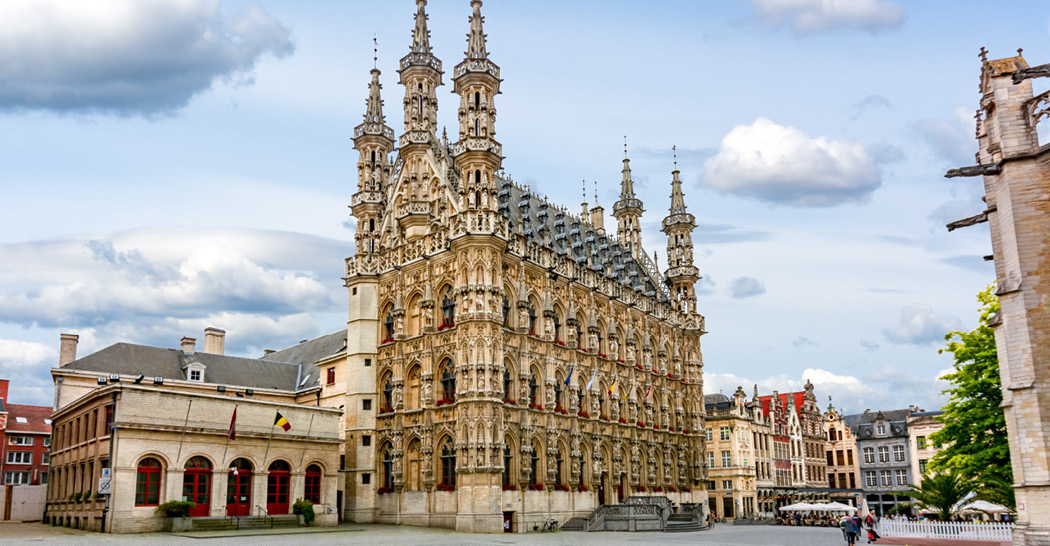
Winner of the European Green Leaf Award 2018, Leuven is a historic university city 25km east of the Belgian capital of Brussels. The city has set an ambitious emissions target of becoming carbon neutral by 2030, and made transport around the city greener by introducing car-free zones and by improving the cycling network. Leuven’s botanical garden dates back to 1738 and is the perfect place to snap some Instagram-worthy shots of amazing tropical plants. If you can’t make it to Leuven, you can also visit the gardens digitally instead!

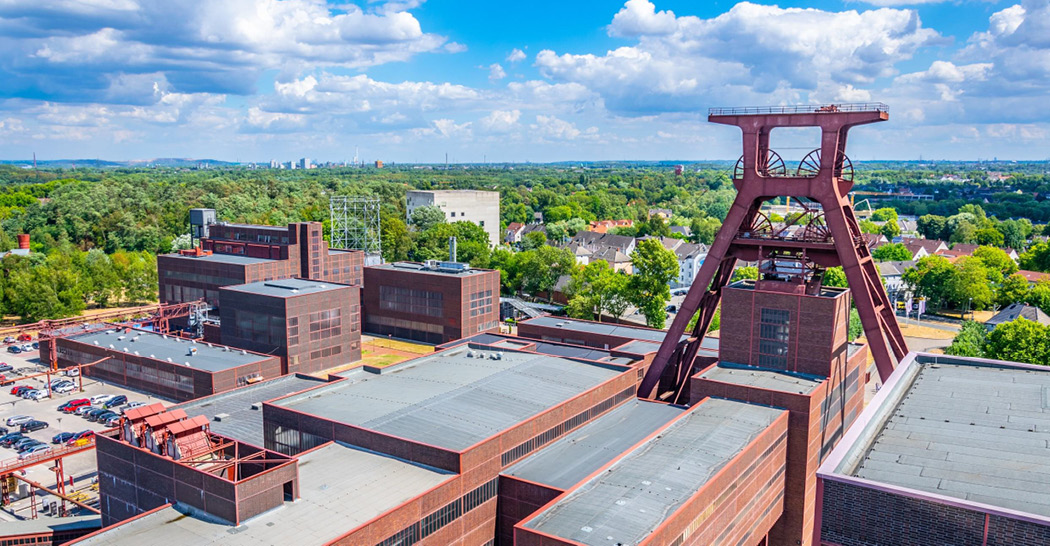
One of Germany’s hidden gems, Essen has made commitments to fight climate change, introduce green areas and improve local air quality. Over the past 40 years, Essen has transformed itself from being a community focused on coal mining and steel production to become an environmentally conscious green city. This transformation was recognised in 2017, when it was crowned European Green Capital. To learn more about the city’s industrial past and eco-friendly transition, be sure to visit the Ruhr Museum. Located in a disused coal mine, the museum is a piece of cultural history telling the story of the Ruhr Valley.

Nestled on the banks of the river Waal, Nijmegen was awarded the title of European Green Capital in 2018 and was the destination of the very first DiscoverEU meet-up in 2019. Emerging from a Roman settlement, today the city is both a cultural and environmental hotspot. It aims to be ‘climate-proof’ by 2050 and is achieving this aim with the support of local people, businesses and NGOs. Nijmegen also worked with environmental NGOs to create a windmill park, which now powers 10% of the city. For a glimpse into Nijmegen’s past, don’t miss the Valkhof Park; a site of natural beauty peppered with Roman ruins and a chapel dating back nearly 1,000 years.


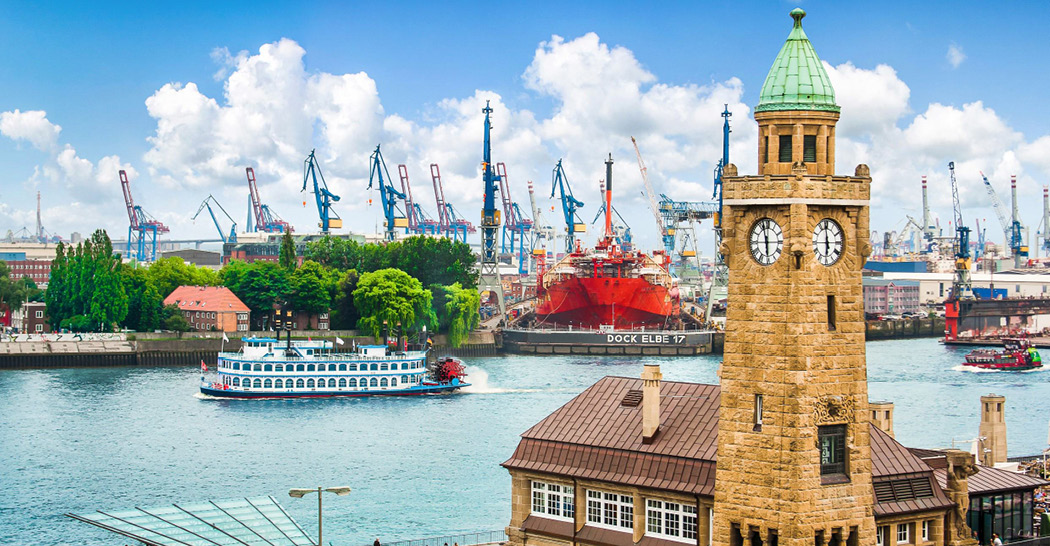
The German city of Hamburg offers lots to do and explore – making it a perfect stop on your DiscoveryEU journey. Did you know it has more bridges than any other European city? Challenge your friends to find as many as possible and give extra points to the person who can find the oldest bridge in the city – which dates back to 1633! Named European Green Capital in 2011, the northern metropolis of Hamburg has taken measures such as introducing renewable energy sources and banning plastic bottles and disposable coffee cups in public offices. There are even plans to rid the city centre of cars by 2034 to make it exclusively available to people on bike or on foot.

Copenhagen is worth a visit by any DiscoverEU traveller. Whether you’re snapping a photo of the Little Mermaid statue or visiting a market to taste Smørrebrød for the first time, the Danish city offers plenty to see and do. Awarded the title of European Green Capital in 2014, the city is also committed to making life greener for everyone. It intends to be the first carbon-neutral city in the world by 2025 and has successfully encouraged as many as 50% of residents to cycle to their place of work or education. Don’t miss the Torvehallerne – a permanent covered market offering fresh local products. Inside, you can try some Danish delicacies and speak with other shoppers about the importance of eating sustainable, locally-sourced food.


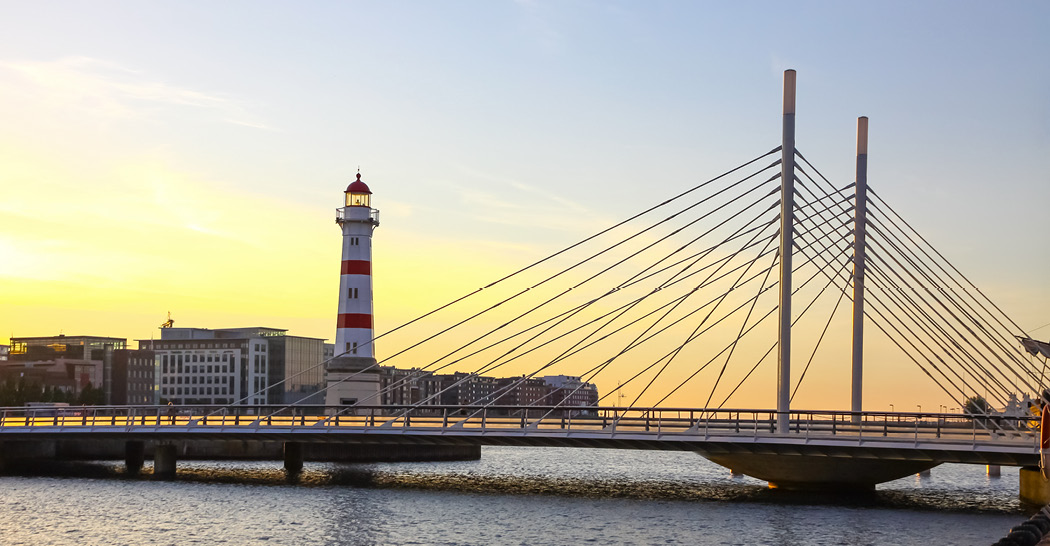
Malmö is a city that has risen from the ashes of being a former industrial wasteland to become one of Sweden’s greenest cities. Previously known for shipping and heavy industry, the Swedish government helped the city become more environmentally friendly. To understand the industrial history of the city – and compare it to its eco-friendly ambition today – visit the Malmö Museum. Housed on the site of a former castle, the complex is in fact a collection of museums, offering useful insights into the city’s past, natural environment and maritime traditions. All of the city’s 177 buses run on a mixture of compressed gas and biogas, meaning that not only is exploring the city interesting, but it’s green, too! Take the no.5 bus to Fullriggaren to visit the Scaniaparken – a quiet park that offers excellent views of the famous Øresund Bridge between Sweden and Denmark.

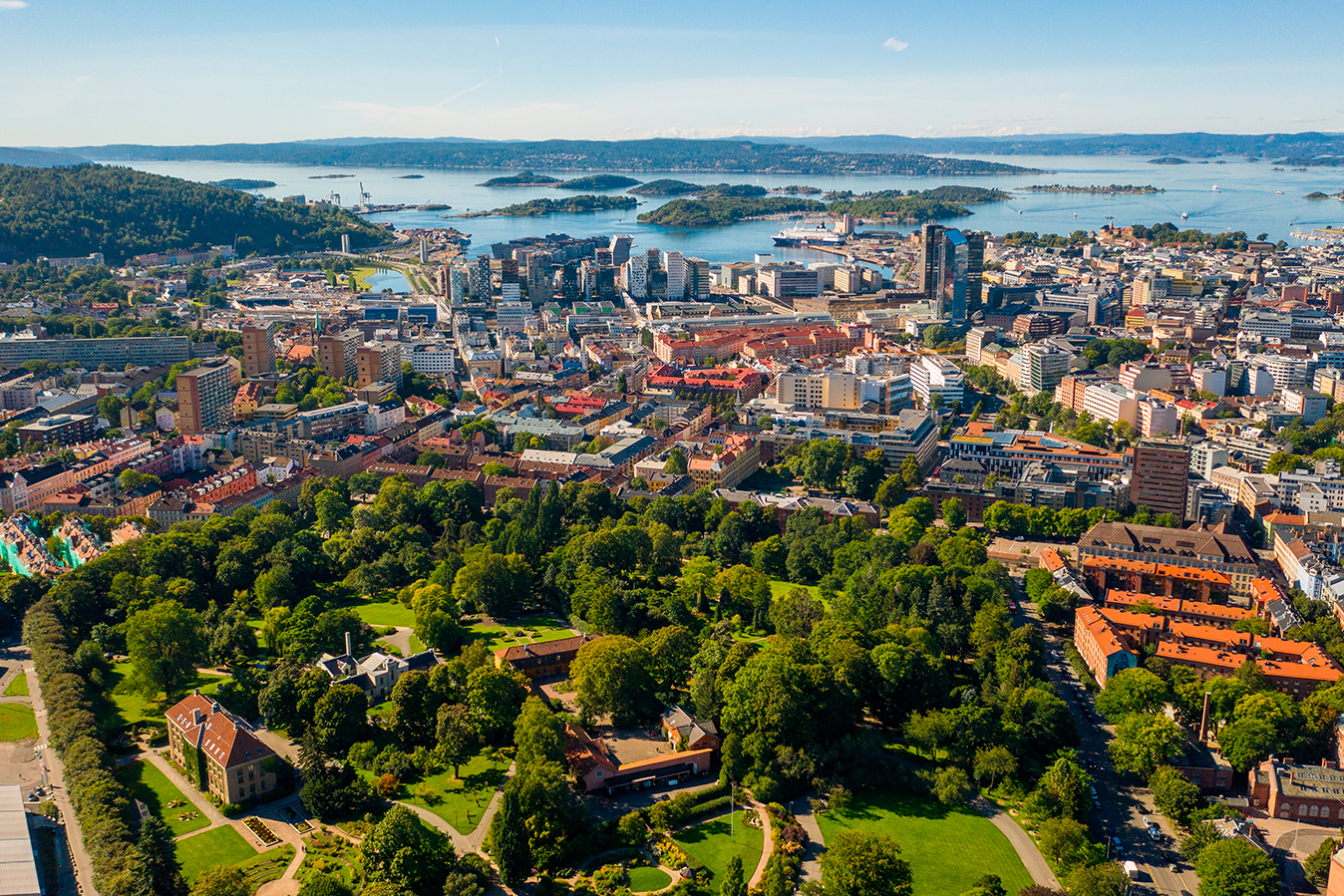
In 2019, Oslo was recognised for the work already done to make the city more environmentally friendly and the city’s commitment to building a sustainable future by being named European Green Capital.
When you’re there, visit Frogner Park to walk, picnic, people watch or enjoy the sculpture park. In need of more greenery? Stop by the 54-acre Palace Park (Slottsparken) or the botanical garden at Tøyen. It’s easy to access nature outside the city too. You can take the metro to Sognsvann lake where you can hike, run, swim or picnic.