

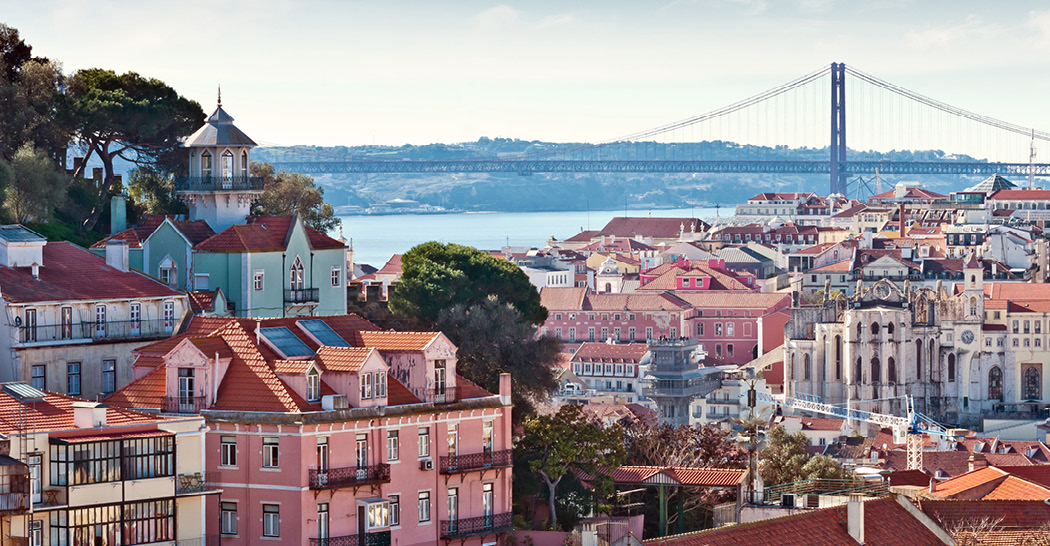
Lisbon is one of the 100 cities in Europe that has pledged to be climate neutral by 2030 as part of the EU Climate-Neutral and Smart Cities Mission. As European Green Capital 2020, Lisbon lives and breathes sustainability. The Portuguese capital, famous for its picturesque hills and coastal cuisine, halved its CO2 emissions between 2002 and 2014, and is now a leader in terms of public transport, electric vehicles, cycling initiatives and the provision of green parks and gardens. Want to catch beautiful views over the city? Go for a stroll in the Jardim do Torel.

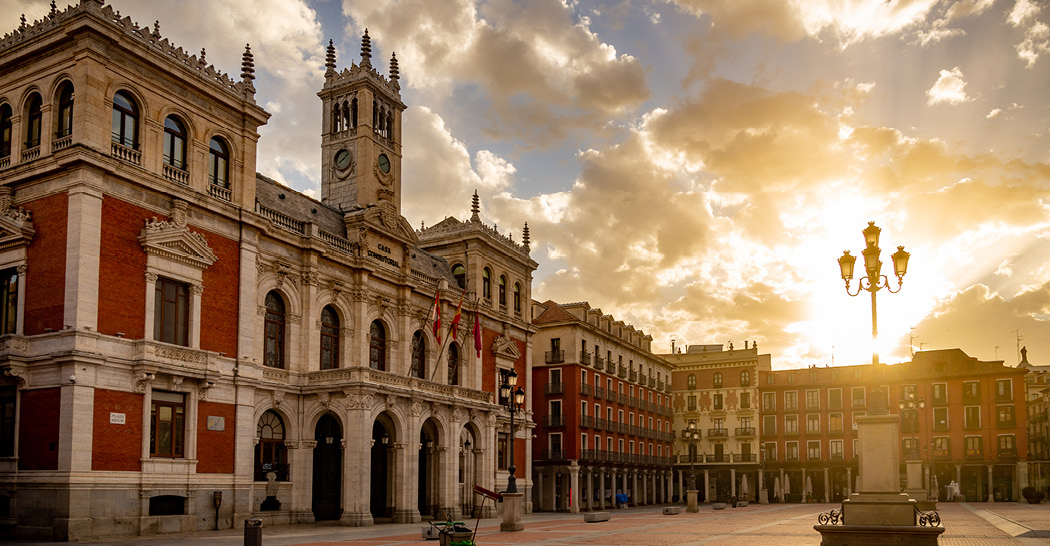
Nestled in the valley of the Pisuerga river, Vallodolid is a city committed to sustainability. Areas of urban woodland help to absorb the city’s carbon emissions, and nearly 1,500 cycle paths help residents get around in an eco-friendly way. The surrounding province is famous for historic castles like the Castillo de Simancas, so why not hop on a rented bike and explore one of these hidden Spanish treasures?

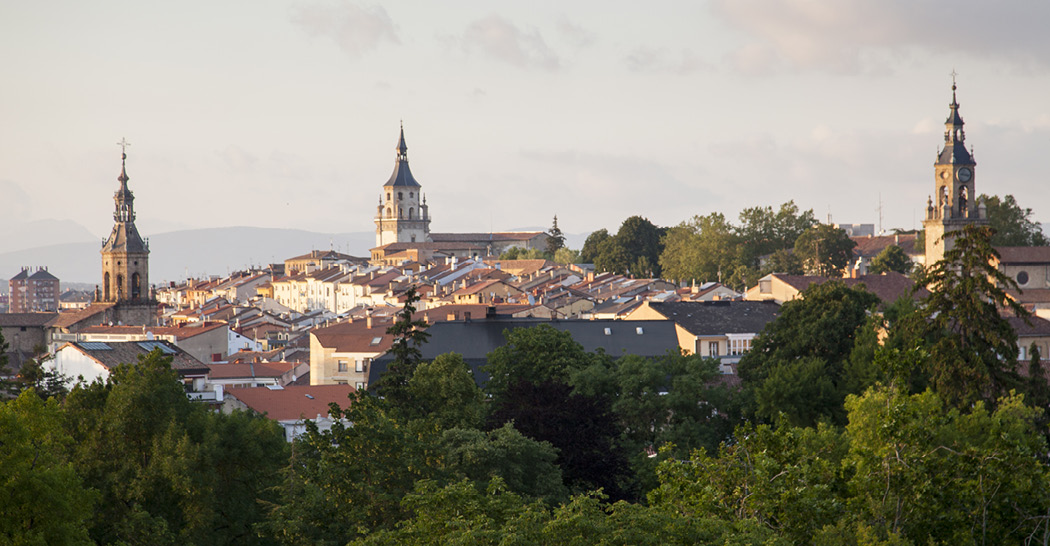
Located just an hour away from Bilbao, Vitoria-Gasteiz was awarded the title of European Green Capital in 2012 – and it’s easy to see why. The city is surrounded by a "Green Ring" of mountains and forests, and its entire population lives within 300m of a green space. The central La Florida Park, a botanical garden with over 90 species of trees, is a great place to relax and soak up the local ambience. The park is even home to a culture house, dedicated to the Spanish writer José Ignacio de Aldecoa, which features its own library.

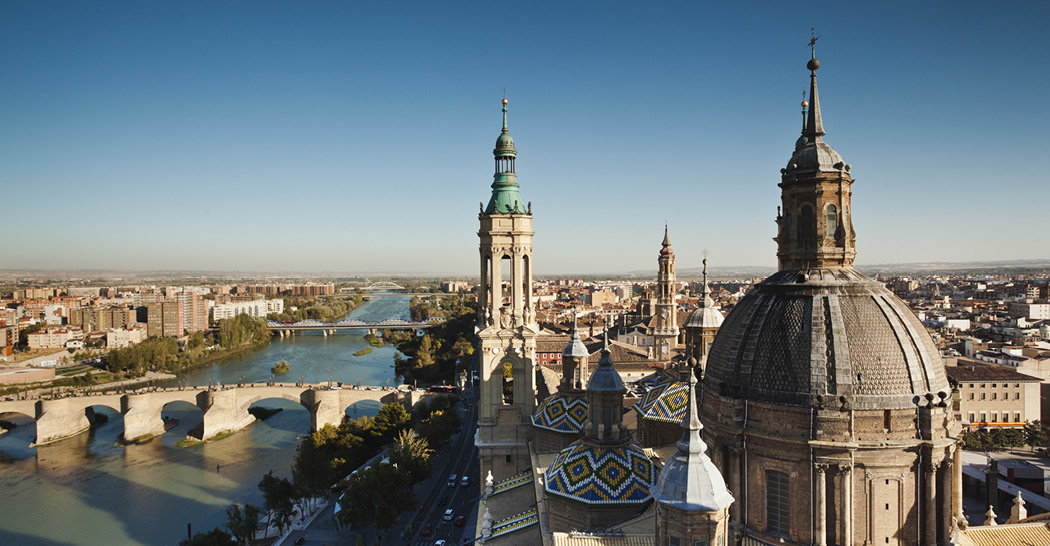
Capital of the Aragón region of Spain, Zaragoza is famous for its Roman history, its unique cuisine and its powerful urban art. But beyond these, the city is making a commitment to the environment too. The Parque del Agua "Luis Buñuel" is a large park situated north west of the city centre. Built on 140 acres of unused cropland, the public eco-park is an excellent example of green redevelopment and now offers activities such as white-water rafting and horse riding. If you prefer a calmer pace, you can also go for a row on the park’s boating lake.

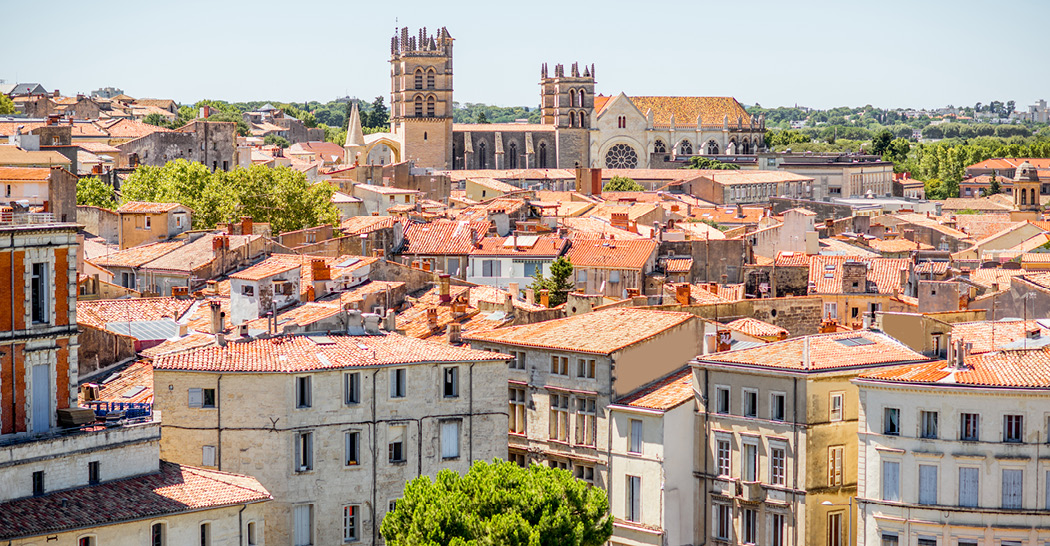
Combining beautiful Mediterranean coastal weather with fascinating Medieval history, Montpellier is an unmissable stop on your DiscoverEU journey. The coastline itself is home to the Palavasian Lagoons, a series of stunning lakes that are protected by the EU as Natura 2000 sites. Since the area is often subjected to extreme heatwaves, the protection helps to conserve wildlife in the lagoons. Another Natura 2000 site in the city is the Lez river, which flows through the Parc du Domaine de Méric. The park is home to the former residence of French Impressionist painter Bazille, so whether you want to learn more about his life or simply enjoy a leisurely walk along the riverside, the park offers something for everyone.

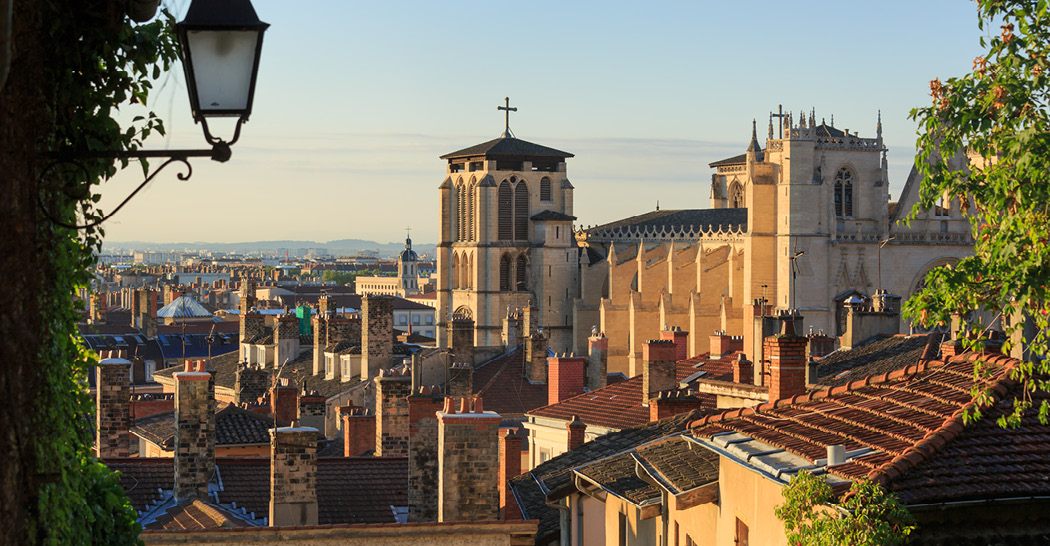
The 815km-long ViaRhôna cycle path runs through Lyon, offering DiscoverEU travellers the chance to explore the south of France sustainably on two wheels. The cycle path follows the winding Rhône river through valleys and olive tree orchards from Lake Geneva to Lyon and, eventually, to France’s Mediterranean beaches. If you have a spare afternoon, why not use the path to discover the beauty of the region?

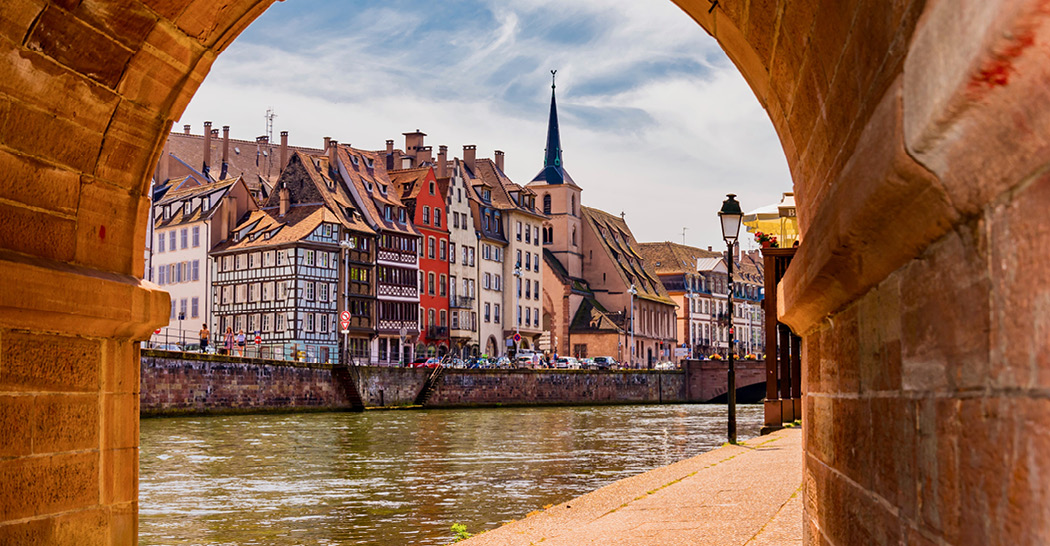
Often thought of as the link between French and German culture, the entire city centre of Strasbourg is a UNESCO heritage site. The city was one of the 2021 European Green Capital finalists, and it is leading the way in terms of fighting climate change and improving air quality. In 2012, Strasbourg launched the All united for more biodiversity charter, which protects the city’s forests, parks and wildlife by creating habitats for species such as bees, discouraging the use of pesticides on crops and installing green roofs on buildings. What’s more, if you’ve always dreamed of being in two countries at once, then Strasbourg is the place to visit. Head to the bridge in the Two Shores Garden – you can stand with one foot in France and the other in Germany!

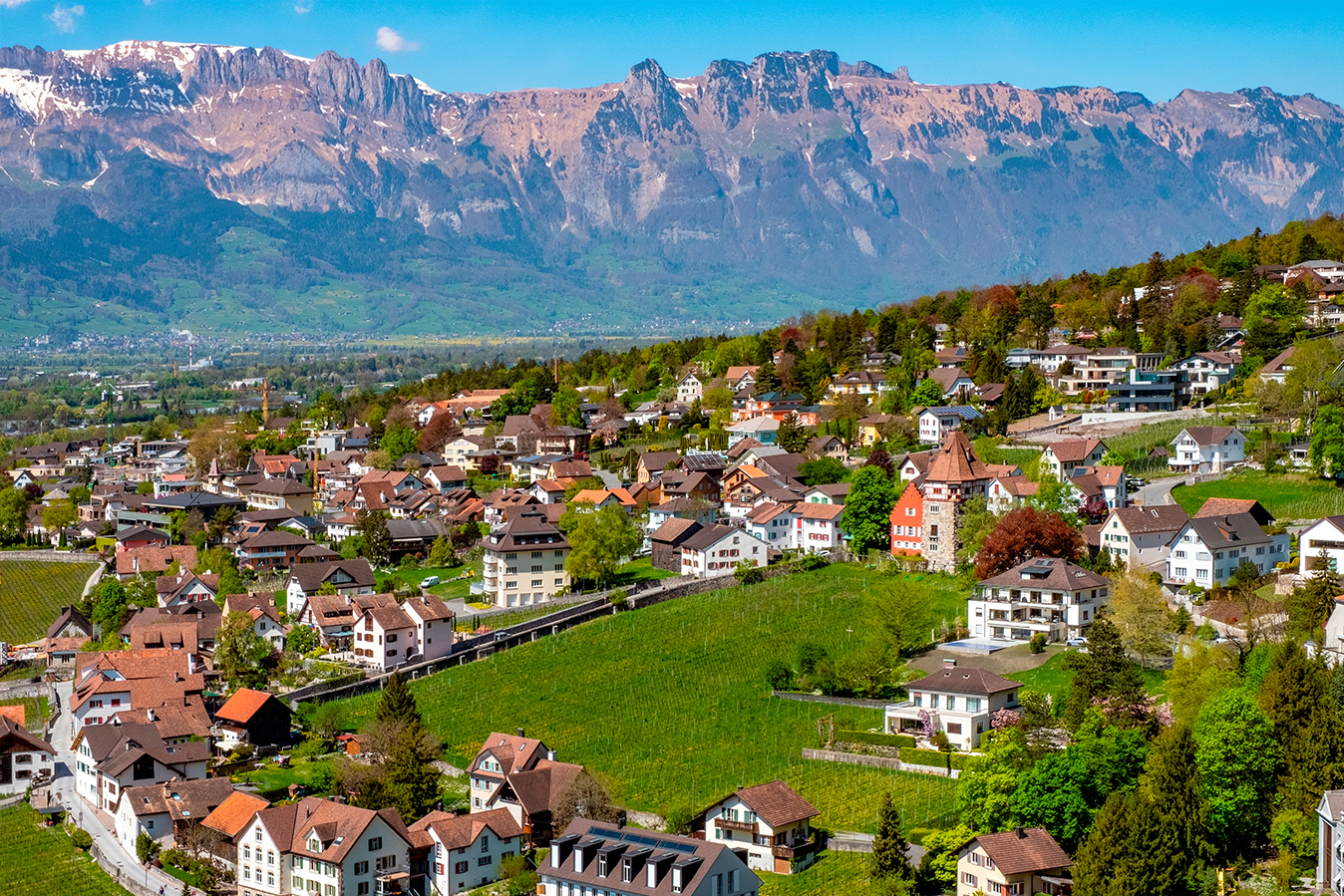
Perched in the picturesque Alps, on the banks of the Rhine, Vaduz offers stunning views of forested mountains and towering peaks in almost any direction you turn. Its diminutive size makes it easy to exit the city and set off to explore nature on foot or by bike. Liechtenstein is taking care of its flora and fauna with 171 hectares of protected nature reserves across the country. If you decide to visit Vaduz, make sure to bring your hiking boots so you can make the most of this bucolic country.

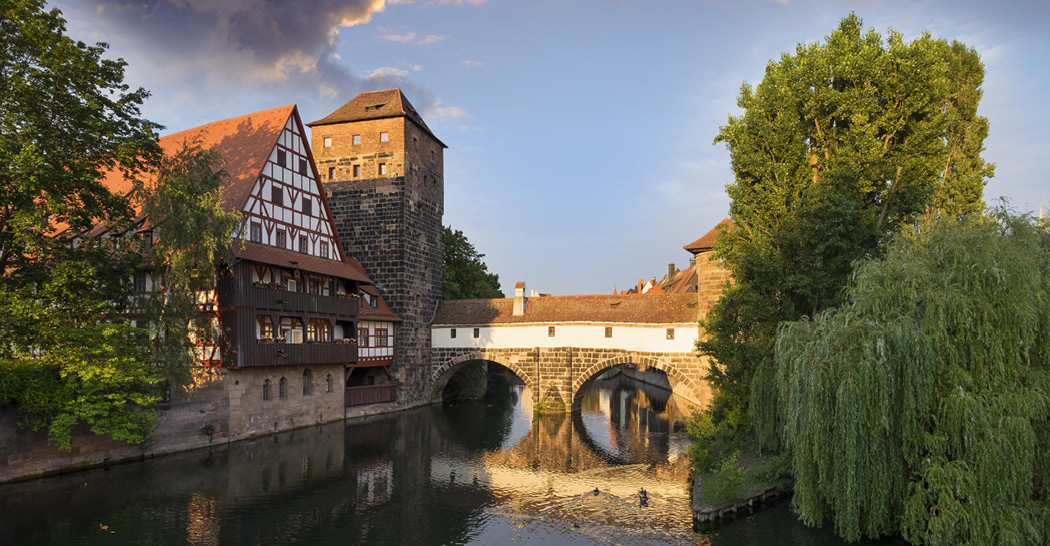
Famous for its imposing castle and the winding streets of its old town, the Bavarian city of Nuremberg was a finalist of the European Green Capital Award in 2012 and 2013. Green zones throughout the city restrict the use of pollutive vehicles, making the city’s air cleaner and healthier to breathe. There’s also a strong commitment to the circular economy in the city, with 56% of municipal waste being recycled. The city centre is full of independent shops that are committed to selling eco-friendly or organic products. Fans of traditional handmade crafts should be sure to wander through the Medieval Craftsmen’s Courtyard.