

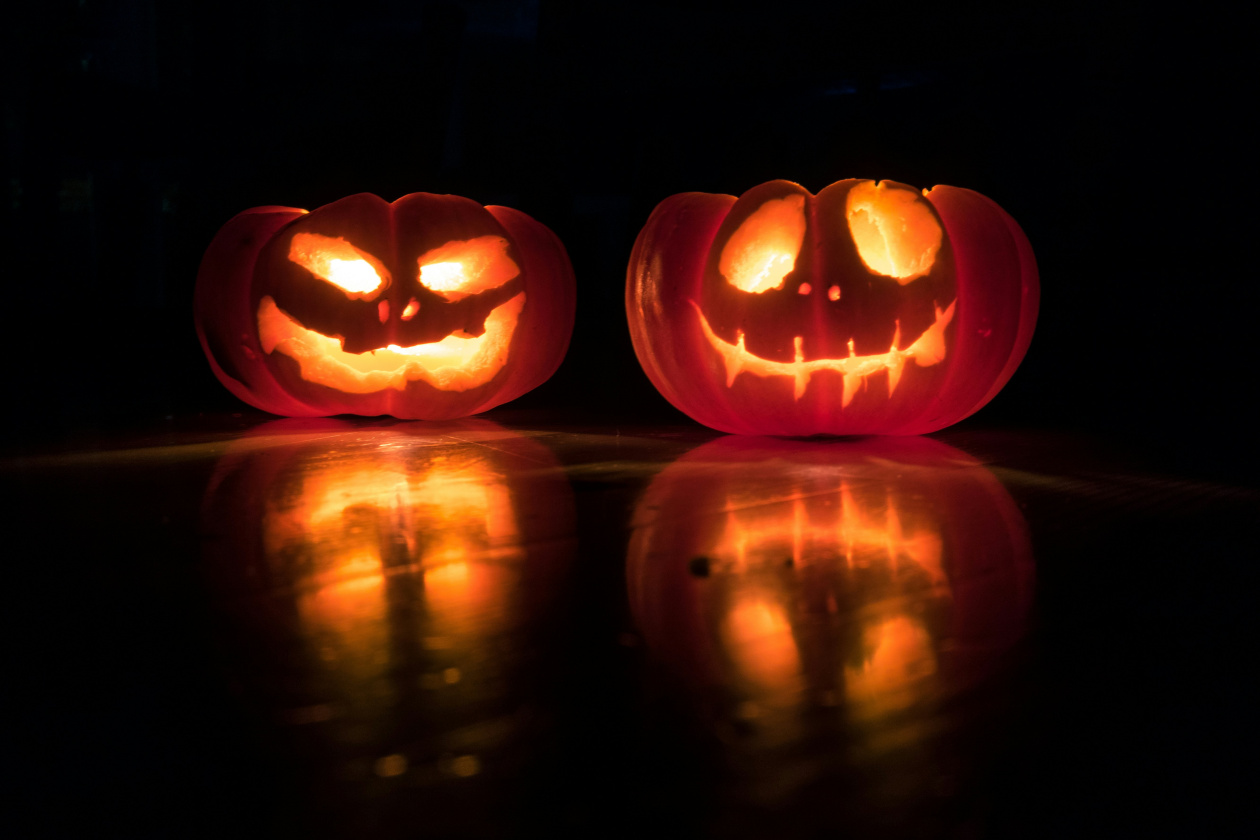
 Photo by David Menidrey on Unsplash
Fantastic routes and creepy traditions in Europe
Síðast uppfært Miðvikudagur, 22/10/2025
Ready to dig into some of the creepiest European traditions?
For a child of the '90s, watching Tim Burton’s "Nightmare Before Christmas" could have been a traumatic experience. It is also true that nowadays a movie like "Coco", which celebrates the Mexican "Dia de los Muertos", triggers, pretty much, warm-hearted feelings and moving moments (talking to you, grown-ups out there).
However, if you are looking for truly mysterious and kind of creepy stories, all you have to do is ask. There is always room for a little shiver down the spine, especially around Europe this time of the year. So, get comfy, grab a cup of tea (or a piece of pumpkin pie) and plan your next spooky European getaway!
Going back to its Celtic roots
Did you know that the much-celebrated Halloween, a diminutive of the English "All Hallows' Eve", has its roots in the Celtic ritual named Samhain, which means “end of summer”? Back then, the New Year started on the 1st of November. On the night before, the population, consisting mostly of farmers, celebrated the link between seasonal cycles and life cycles, with elements of magic and mystery included.
The belief was, on that night, the veil separating the two worlds, dead and living, became thinner and thinner, making it easier for the spirits to pop up for a short visit. People would light bonfires and wear costumes to ward off ghosts.
In the 8th century, Pope Gregory III designated November 1st as a time to honour all saints.
It soon incorporated some of the traditions of Samhain.
Adding an Irish touch to it…
Have you heard of the legend of Stingy Jack? An Irish drunk crook, who, after having tricked the devil a few times, eventually died because of his drinking. Poor Jack got rejected at the gates of both Heaven and Hell. He ended up condemned to a life between the two worlds, wandering around with an ember put inside of a hollowed turnip.
This probably started the current Jack-o-Lantern tradition of a carved pumpkin with a light placed inside, which lights the way of the children going from door to door, wearing costumes and impersonating the spirits.
A European Halloween gastronomic heritage!
Ever wondered where the trick-or-treat tradition came from?
Souling was a tradition recorded in parts of Britain, Flanders, southern Germany, and Austria in Medieval times. It referred to an activity where the poor would visit the homes of the rich to ask for soul cakes in exchange for a promise to pray for their dead relatives. The practice was later taken up by children, who would go from door to door asking for gifts.
You may wonder why we passed from soul cakes to candies? As it turns out, candy was simply much more popular after the war!
In some corners of Europe, you can still get a chance to try soul cakes. Yes, there is also a European Halloween gastronomic heritage! All around Spain, you can buy Huesos de Santo, delicious marzipan cookies said to resemble the bones of Saints. In Italy, you can try the Fave dei Morti, a little sweet biscuit formed to look like broad beans, as well as Ossi da Morto, bones of the dead!
For many Sicilians, a tablecloth is laid out on the family tomb, complete with chrysanthemums, the flowers of the dead, and the family gathers for a picnic. Spooky? Not if you believe that your relatives will come back to the living world to be with you on that day.
Getting in the mood: where to go?
Germany: Rhine Castles Trail Hike
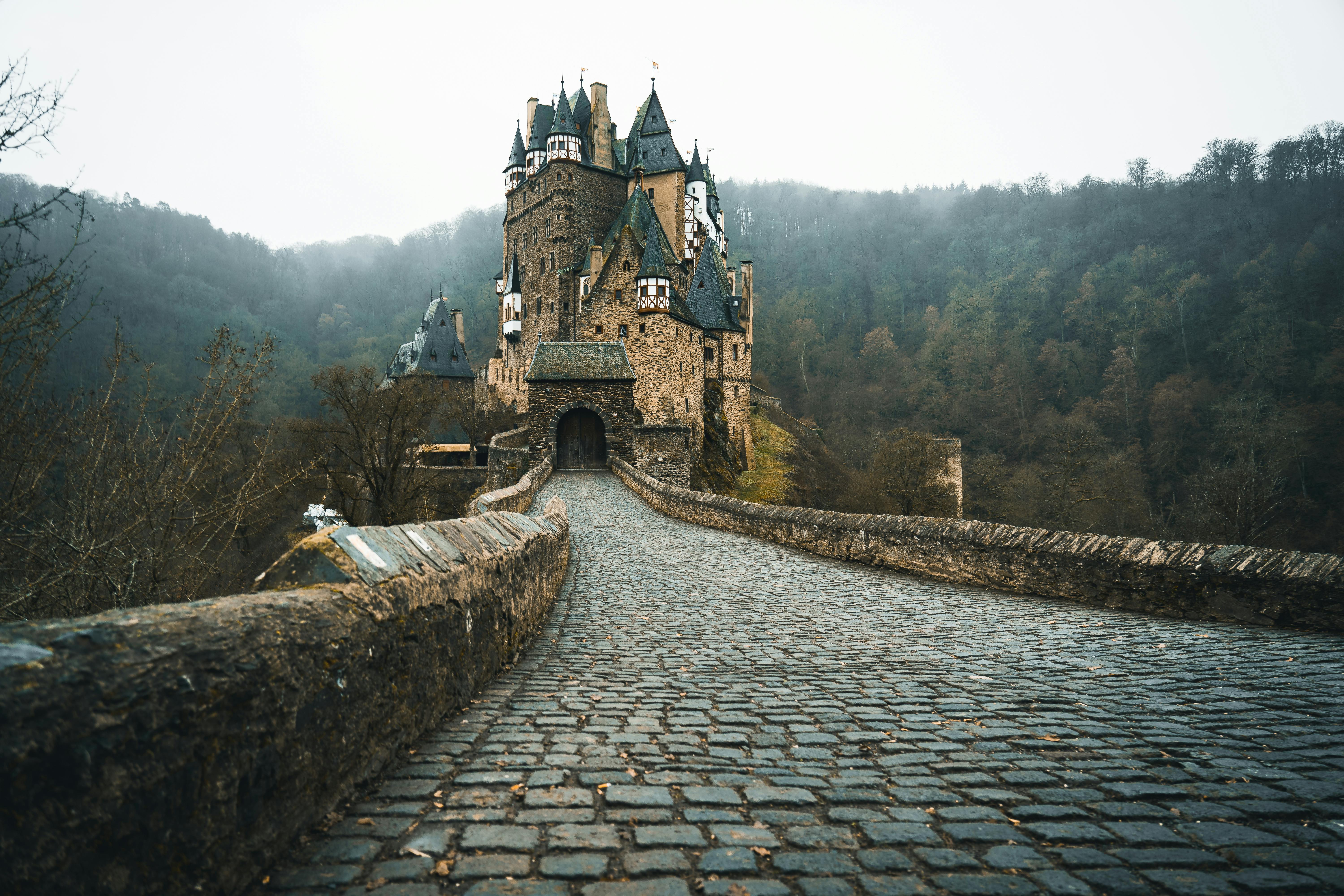
Photo by Julien Riedel
If you’re a hiking enthusiast looking to add a spooky twist to your adventures, the Rhine Trail hike is perfect for you! This hike is divided into 13 stages, each offering different views of the Rhine Valley, a UNESCO World Heritage Site.
The Rhine Castles Trail, also known as the Rhineburgenweg, spans a total of 120 kilometres. This makes it an ideal hike for the Halloween season, as you’ll walk through numerous castles and forests, creating an eerie feeling of almost stepping back into the medieval times. Some must-see castles along the Rhine Castle Trail include Burg Rheinstein, Burg Katz, Burg Pfalzgrafenstein, and Burg Eltz.
Italy: Foods to try during the Halloween season!
If you are in Italy during the Halloween season, be sure to try some traditional seasonal foods that Italians prepare for this time of year!
Two of the most popular treats are “fave dei morti,” which means "beans of the dead," and “ossa dei morti,” meaning "bones of the dead."
Rest assured, they’re not trying to trick you into eating actual bones! These treats are made with almonds and sugar and are made to honour the deceased. Another snack you should definitely try is pan dei morti, which translates to "bread of the dead." This is a spiced cookie made with dried fruits and nuts.
Additionally, in some regions of Italy, special breads and cakes are also baked to celebrate the dead.
Lithuania: Hill of Crosses
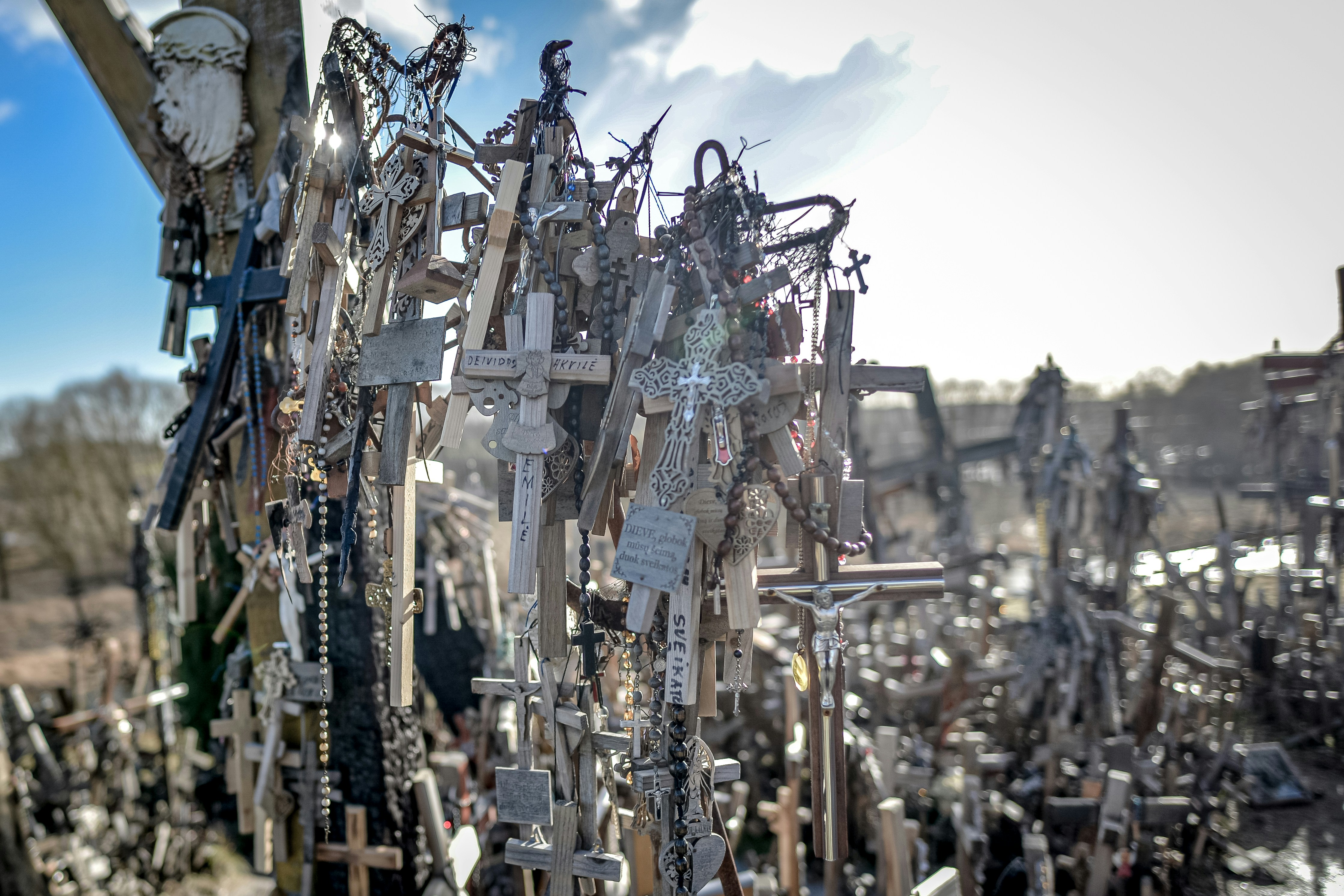
Photo by Gabriela on Unsplash
If you really want to crank up the creepy and scary level of Halloween to a hundred and feel that unsettling chill running through your bones, then you should definitely visit the Hill of Crosses in Šiauliai, Lithuania!
At this site, you'll find over 100,000 crosses scattered across the hill. It’s located about 13 kilometres from the town of Šiauliai. Although it may first look like a graveyard, no one is buried there; it's just a huge collection of crosses.
The origin of this sight dates back to an uprising against the Russian Empire in 1831. When relatives of the deceased could not retrieve their bodies for burial, they placed these crosses as a way to symbolise their grief and create a space to mourn their loved ones.
Czech Republic: Houska Castle
You can’t mention gothic castles and Halloween, they do go well together! The Czech Republic is known to have over 2,000 Gothic castles scattered throughout the country. One interesting rumour surrounds Houska Castle, which is said to be built directly above a large hole in the ground, often referred to as a “gateway to hell.” Apart from this, Houska Castle also holds the title of being one of the world’s most haunted places, making it a fitting site for Halloween.
According to locals, strange creatures have been seen emerging from this dark pit and terrorising nearby villages. Interestingly, the castle’s chapel was strategically built to overlook this hole, serving as a kind of spiritual shield against the malevolent forces that may dwell within.
You now have stories, you have food, and you have places to visit. Pick a costume and get charmed by these European old traditions, and no worries, an old sheet with two holes in it is still popular.
Written by Eurodesk Brussels Link