

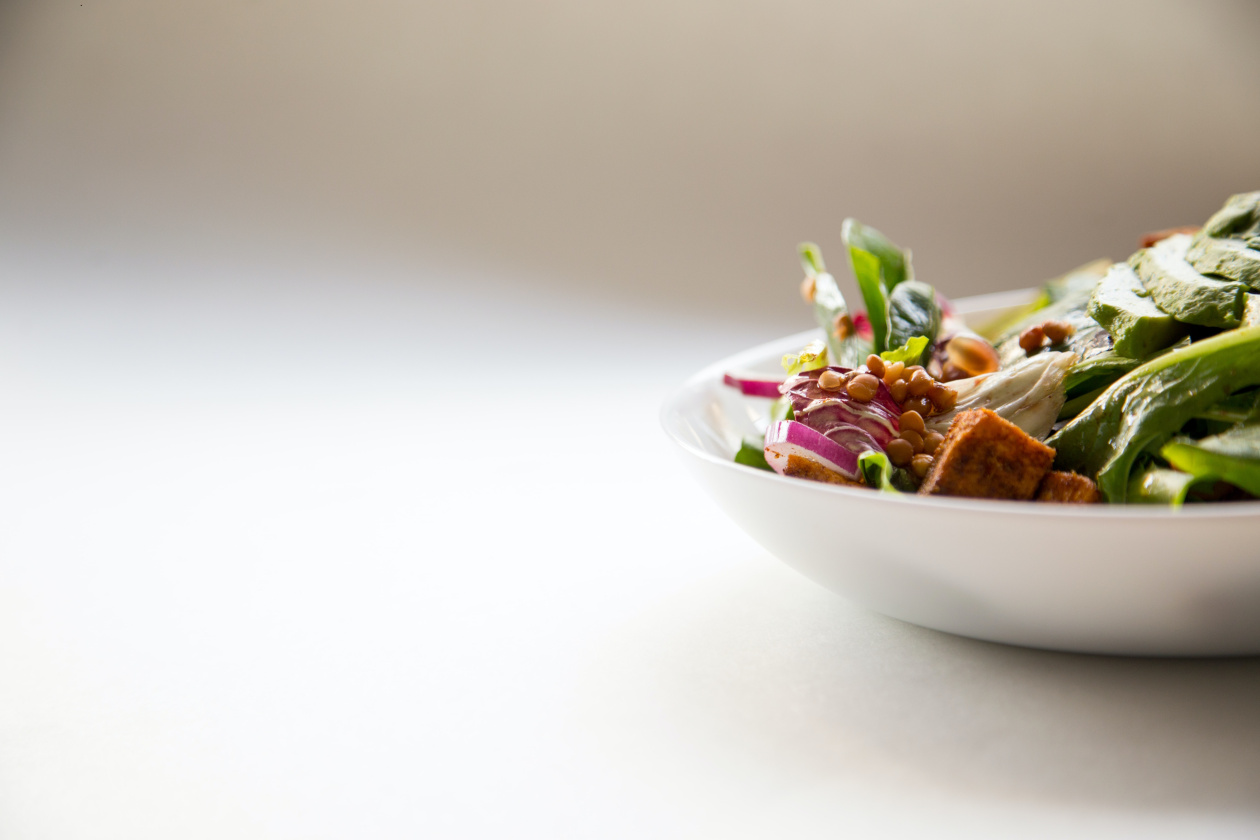
 © Photo by Hermes Rivera on Unsplash
Fighting climate change starts on your plate
Ultima actualizare Marți, 22/06/2021
Every day you have plenty of opportunities to make choices helping our environment, farmers, and health. Do you wonder how? Start by thinking about what you are putting on your plate.
The EU launched the Farm to Fork Strategy in May 2020 and placed it at the heart of the European Green Deal because it aims to make food systems fair, healthy and environmentally-friendly. It is also closely linked to the UN Sustainable Development Goals and some of the key objectives are:
- Ensure sustainable food production and reduce climate food print
- Make sure citizens get healthy, affordable and sustainable food
- Protect the environment and preserve biodiversity
- Boost fair economic return in the food chain and increase organic farming
This strategy will contribute to make Europe the first climate-neutral continent by 2050 and will lead the way for sustainable food systems across the globe.
How what you eat impacts the environment
Usually, food has a long way to travel from where it is produced or grown until it enters into your kitchen, and that means that it leaves behind a huge carbon footprint.
It’s a hard pill to swallow knowing that about 20% of the food produced is wasted when so much energy resources have been used to produce it and while there are people suffering from hunger at the same time.
Less travel and more vegetables in our daily diet is healthier for us and the planet. Indeed, to produce 1 kg of plant-based protein (chickpeas or lentils, for example) requires 10 times less the amount of water and up to 18 times less the land area when compared to what is required to obtain1 kg of beef .
Obesity is also rising, which is truly bad news given that it is estimated that in the EU in 2017 over 950,000 deaths were attributable to unhealthy diets (one out of five). This is why more sustainable and healthy food systems are also a matter of urgency.
How to get started
Every choice counts so you have plenty of power to:
- Buy seasonal products: they taste better, are cheaper and it’s an easy way to introduce more variety in your fruit and legumes intake. Don’t your summer memories always contain that piece of refreshing watermelon? It is for a reason and that is quite bizarre to have that fruit in December, for example. You can find many calendars to make it easier for you to know what’s in season.
- The closer the better! Check where your food has been grown and choose, when possible, products that have travelled less. This will help reduce their carbon footprint and that of your diet.
- Explore plant-based alternatives and enjoy learning new recipes. UN General Assembly designated 2021 the International Year of Fruits and Vegetables (IYFV), so you can share your new recipes with the hashtags #IYFV2021 and #FruitsVegYear and attract more people into the healthy and sustainable side!
- Avoid single use take-away packages and use reusable containers. Can you imagine the pollution of over 2,000 million takeaway containers per year that are being used in the European Union alone? Discover more about the damage to our planet in our article Life in plastic, not fantastic.
In the end, think of it as a win-win situation: we all benefit from healthier diets, the planet is taken care of, for our present and future and we boost sustainable economic recovery where we all need it.