

The German city of Hamburg offers lots to do and explore – making it a perfect stop on your DiscoveryEU journey. Did you know it has more bridges than any other European city? Challenge your friends to find as many as possible and give extra points to the person who can find the oldest bridge in the city – which dates back to 1633! Named European Green Capital in 2011, the northern metropolis of Hamburg has taken measures such as introducing renewable energy sources and banning plastic bottles and disposable coffee cups in public offices. There are even plans to rid the city centre of cars by 2034 to make it exclusively available to people on bike or on foot.


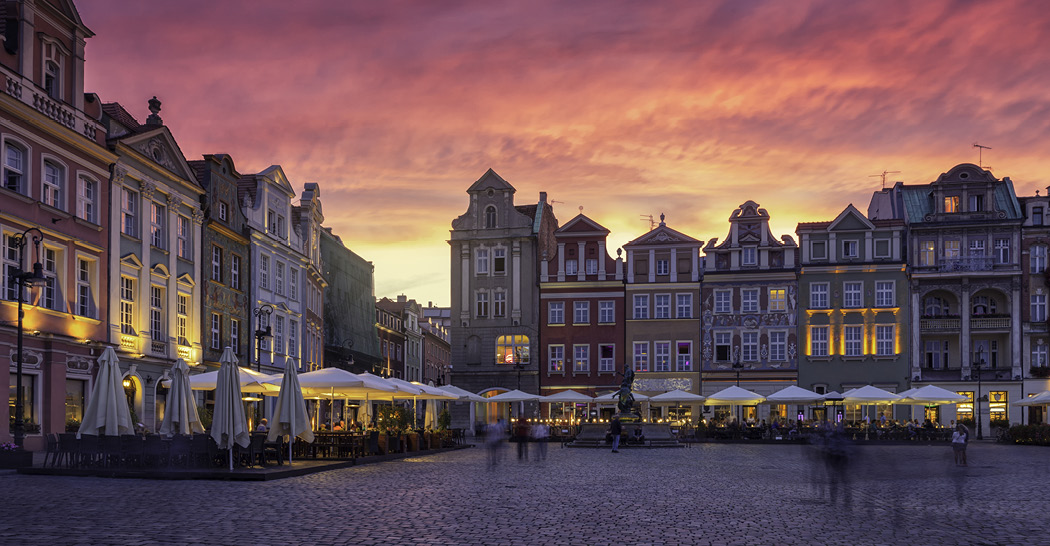
One of the missions of green living and the circular economy is to find a new purpose for old things. In Poznań, one of Poland’s oldest cities, this is exactly what’s happened to a series of historic fortresses and fortifications. The Fortyfikacje w Poznaniu are nineteenth century buildings, which can be found in the centre of the city and in a ring around the outside. They have been preserved by the EU’s Natura 2000 programme due to being valuable shelters for many protected species of bat.

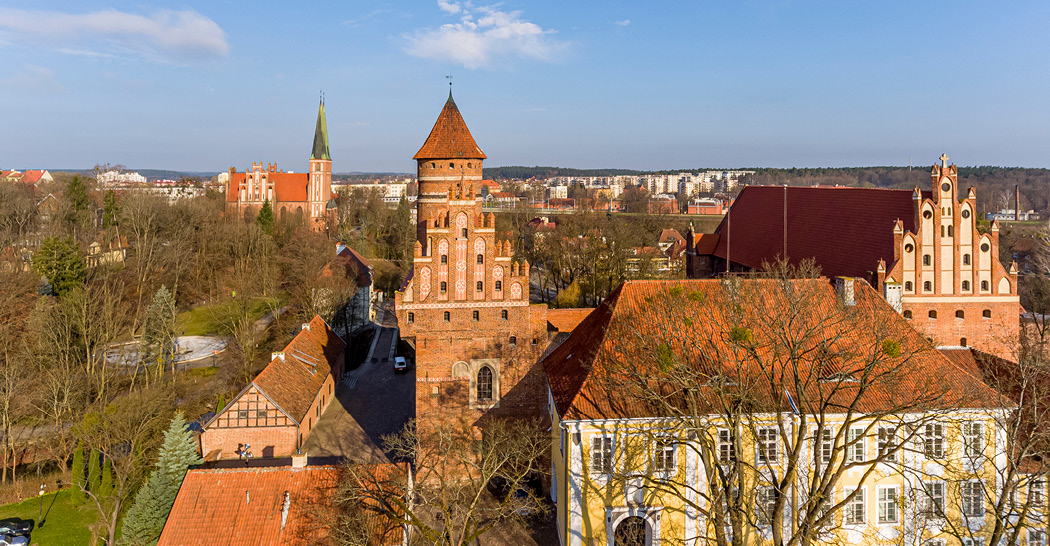
Defined by its red-brick, Gothic architecture, Olsztyn is one of Poland’s hidden treasures. Formerly the home of Nicolaus Copernicus, the city is situated north of the Napiwodzko-Ramucka forest – an area protected by the EU under the Natura 2000 programme. The forest contains many protected species of bird, including the Kingfisher, the Lesser Spotted Eagle, and the Eagle Owl – how many species can you spot?

Located to the east of the historic Lithuanian city of Kaunas is the Kauno Marios (or ‘Kaunus Lagoon’), an artificial reservoir protected by the EU as a Natura 2000 site. The reservoir is not only home to many species of insect, fish, otter and bat, but the dam is also the site of the Kaunas Hydroelectric Power Plant, which supplies the city with green, renewable energy. The shoreline around the Pažaislis peninsula is suitable for swimming and there are great camping locations further south along the reservoir at Duobakalnis and Samylai. So pack your swimwear, pitch a tent and enjoy the great Lithuanian outdoors.
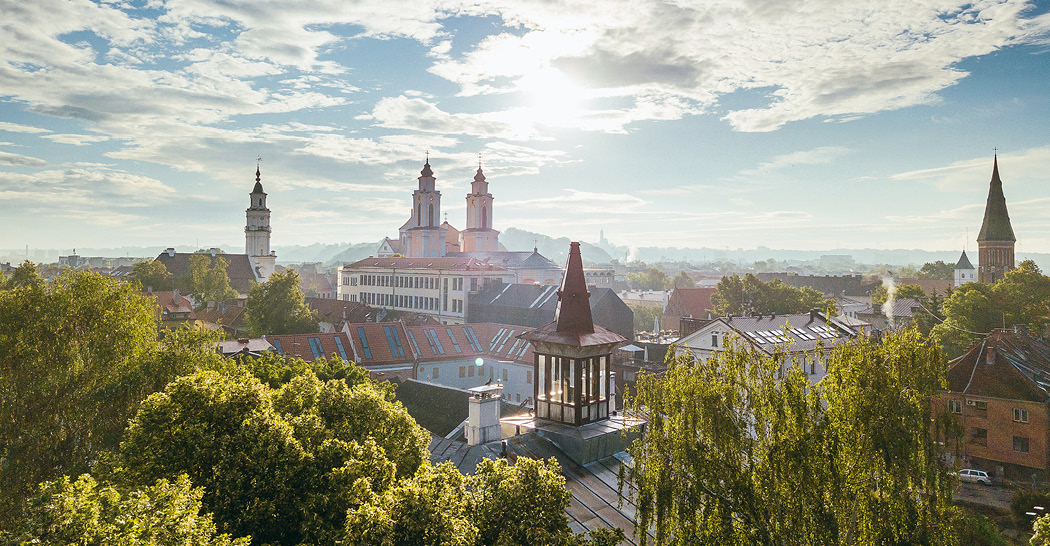

From its neoclassical churches to its fascinating past, the Lithuanian capital of Vilnius should be on your list of cities to visit. One of the 15 cities that initiated the European Green Capital Award, 46% of Vilnius is occupied by parks, gardens, woodlands and forests. Perhaps the most iconic example is Kalnai Park, which is home to the Hill of the Three Crosses. The crosses are a national symbol so hike to the top of the hill to not only get a great view of the city, but also experience a piece of Lithuanian cultural heritage. The city has also constructed power plants to recover energy from municipal waste, bringing Vilnius closer to realising the circular economy.


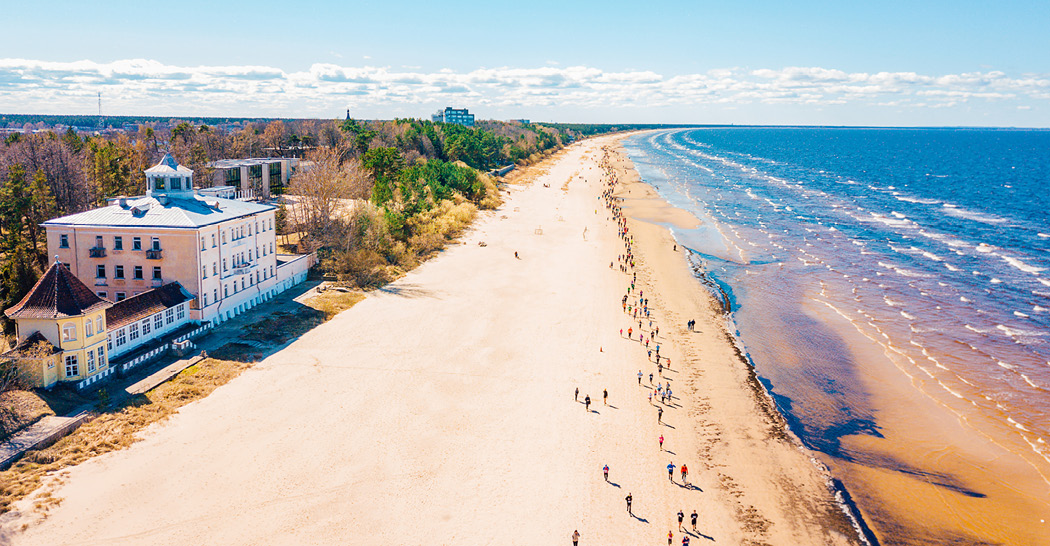
The Latvian resort city of Jūrmala can be found near the beaches of the Gulf of Riga, just off the Baltic Sea. It is home to the Ķemeri National Park, an area of wetland and bog which contains a unique range of wildlife including geese, owls and newts. As an important area for biodiversity, the national park is protected as a Natura 2000 site by the EU and worth a visit for any traveller keen on spotting animals in their natural Latvian habitat.

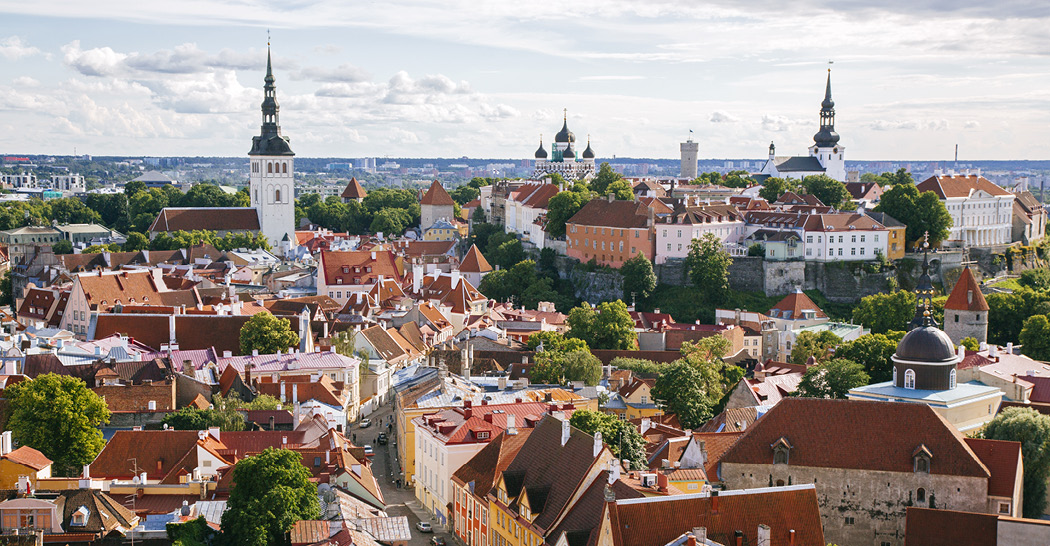
Located on the shores of the Baltic Gulf of Finland, the Estonian capital of Tallinn is famous for its medieval fortress and its beautiful old town. A finalist of the European Green Capital Awards 2019 and 2022, the city has eliminated its dependency on heavy industry in recent years. Recent improvements to the city’s lakes and shores have given them Blue Flag status for the quality of the bathing water, and the city has made public transport free for its residents. Bus no.1A follows the coastline to the north-east of the city – so jump aboard and test the quality of the water yourself!

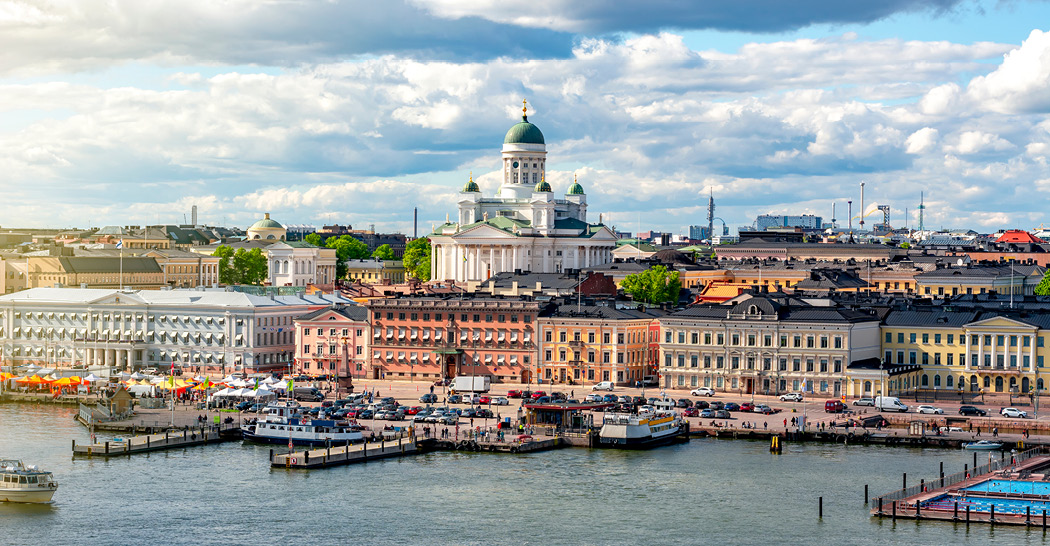
Between its saunas, its fresh fish and Nordic cuisine, and its unique blend of architectural styles, you’ll find plenty to do in Helsinki. What’s more, the city has pledged to become carbon neutral by 2035 – a commitment that can already be seen given that a 2014 survey found that three quarters of the journeys in the Finnish capital are sustainable. Speaking of which, why not rent a bike and travel across to the island of Seurasaari, accessible via a bridge from the mainland. This serene, forested island is home to the Seurasaari Open-Air Museum, which has preserved and relocated historic buildings from across the country to provide a cultural snapshot of traditional Finnish life.

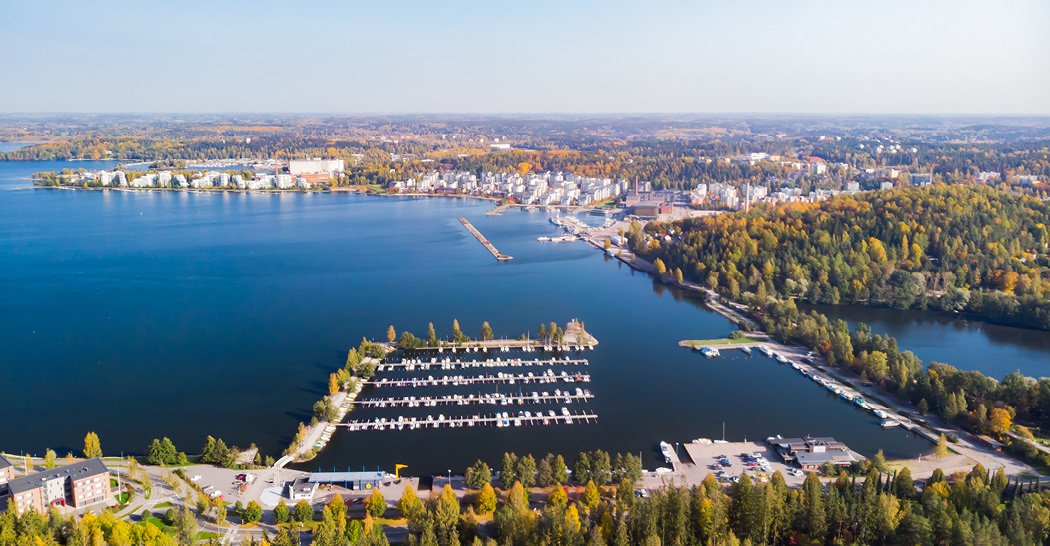
What started out as a mission to clean up Lake Vesijärvi, led to the city of Lahti being given the title of European Green Capital for 2021. Situated among dense forestry in the South of Finland, Lahti not only aims to become a carbon-neutral city by 2025, but also aims to become a circular economy – completely waste-free – by 2050. DiscoverEU travellers can find so much to see and do at Lake Vesijärvi – from canoeing across the lake, to experiencing the quirky musical fountain on the lake’s southern shores.