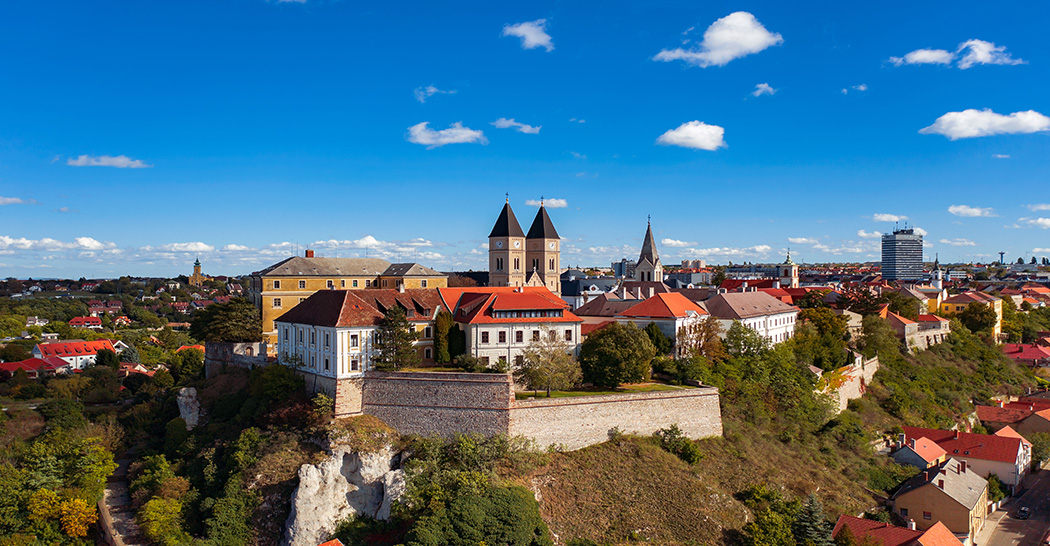

Brno is a hotspot of the literary world. Bohumil Hrabal and Milan Kundera, two of the most famous Czech authors, were born here. Once a year, the renowned Větrné Mlýny publishing house organises the Authors’ Reading Month, Central Europe’s largest literary festival. With its charming Neo-Renaissance architecture and fairy tale-like castles, Brno is sure to capture your attention. Brno’s Werkbund Estate, one of several awarded the European Heritage Label in 2019, is a must-see for its showcase of influential interwar European modernism. Make sure to also follow the Historical Trail “Brno Calls the World!” along the sites associated with the secret broadcasting of the Brno television studio in the first days of the occupation of Czechoslovakia by the Warsaw Pact troops in August 1968. The trail is part of the Free Speech Space EHL site, awarded the label in 2025, educating about 20th century Czech resistance to censorship and the struggle for freedom of expression under totalitarian regimes. When in Brno, visit the old town hall and climb its 63-metre tower to enjoy a spectacular view over the city’s historic centre.
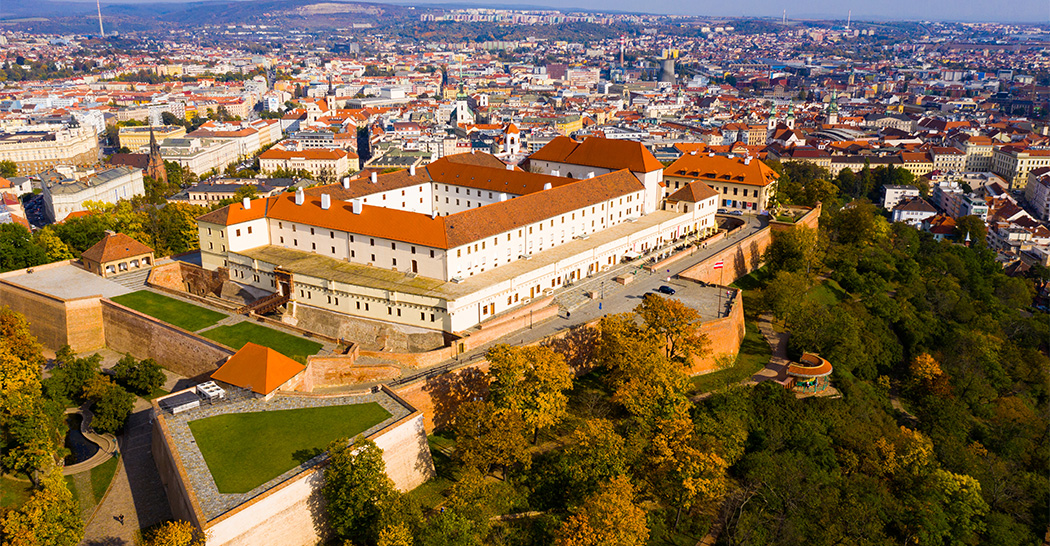
The heart of Bohemian culture, Prague is a literary paradise, with around 200 bookstores and 20 literary cafes. It was designated the UNESCO City of Literature in 2004, and for good reason, from the Prague Writers’ Festival to the Prague Microfestival, literature is celebrated extensively. Its rich architectural heritage can be seen all around the city – indeed, its historic centre was added to UNESCO’s World Heritage List in 1992. Examples of Modernist design can be found in the city’s Werkbund Estates, a transnational European Heritage Label site which, like the counterparts found in Brno and Wrocław, aimed to solve the lack of quality, affordable housing following World War I. A visit to Prague Castle is a must when in the city, as is a walk down Charles Bridge.
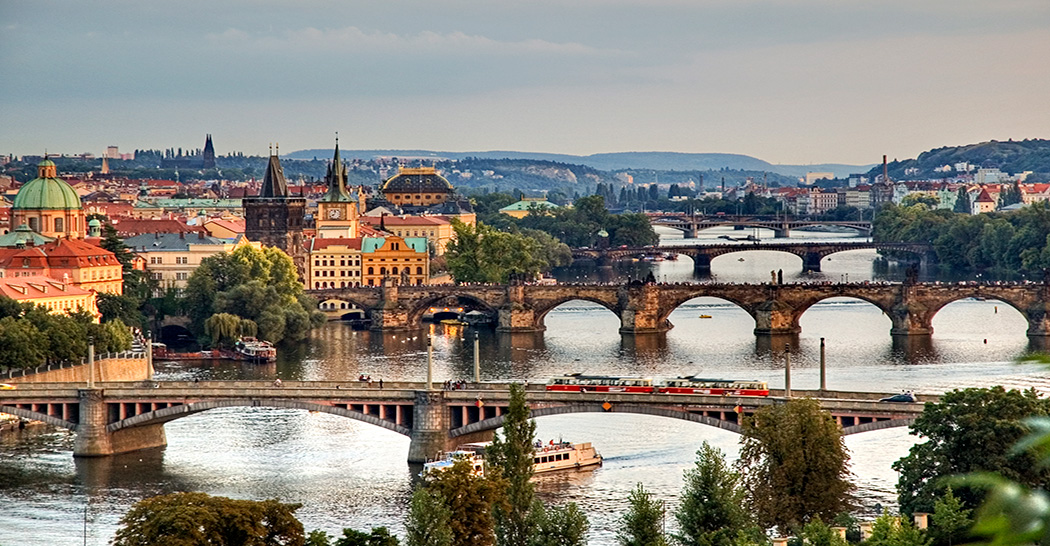
Just across the Czech border lies Wrocław, the city of a hundred bridges. Wrocław is no stranger to the literary world. In 2016, it was named European Capital of Culture and UNESCO World Book Capital and in 2019, UNESCO City of Literature – all testament to its vibrant literary tradition. Like Brno and Prague, Wrocław is another of the five cities that make up the transnational Werkbund Estate European Heritage Label site, making it a significant place in the development of Modernist residential architecture.
While in Wrocław, visit one of the city’s 60 bookstores or head over to the Wrocław Literature House, which frequently hosts literary events from poetry recitals to book launches. If you’re visiting in the summer months, look out for one of the festivals, like the International Short Story Festival.

Krakow is Poland’s second-largest city. Its Old Town, including the Wawel Royal Castle, holds the honour of being declared the first-ever UNESCO World Heritage Site. The Kazimierz district, once home to as many as 90 synagogues, is now a beacon of Jewish heritage, celebrated through the annual Jewish Culture Festival. Krakow was a runner-up in the Access City Award in 2012 for its efforts to improve accessibility in the city, despite the presence of many historic and culturally significant streets, buildings and monuments. Literary-wise, Kraków is home to the Read PL! Project, an e-book platform that promotes reading by giving free access to electronic versions of bestsellers and new releases. In 2013, it was designated UNESCO City of Literature – this gave rise to the establishment of several literary routes dedicated to famous authors like Stanisław Lem and Joseph Conrad

In north-western Slovakia, near the Czech and Polish borders, lies Žilina; a city where literary significance is intertwined with historical importance. It is home to Žilinská Kniha (The Town Book of Žilina), a historical document from 1378 that contains the oldest known sample of Slovak writing. May and June are the best months to visit Žilina since that’s when the Old Town Festivals, the largest cultural event in Slovakia, takes place. The festival brings with it a variety of folk crafts and a wide spectrum of music, from jazz and swing to pop and rock.
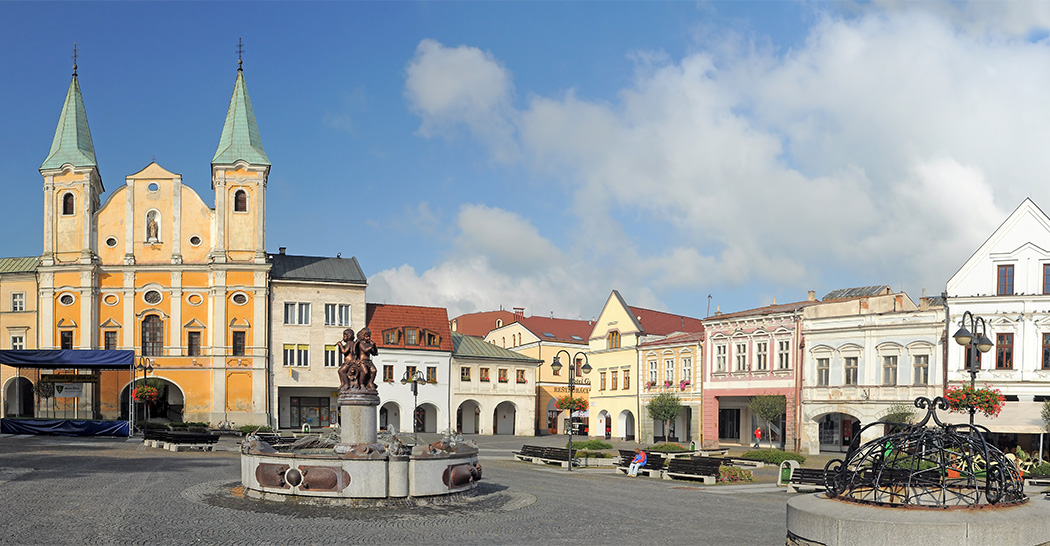
Košice is Slovakia’s second-largest city and the European Capital of Culture 2013. Its well-preserved historical centre is the largest in the country and contains many protected buildings, mostly in the Renaissance and Baroque styles. Three major arts hubs in the city (the Kulturpark, the Kunsthalle and the Amphitheatre) offer everything from visual arts to theatre performances. The city’s literary tradition is anchored in its one of its famous residents; renowned author Sándor Márai, who gained prominence during the city’s Austro-Hungarian era.

Hungary’s university city, Debrecen, is also a sanctuary for nature – it stands on the Northern Great Plain and the Nagyerdei Park is a peaceful haven with woodland, landscaped paths, outdoor artworks and cycling paths. Its Protestant church, Hungary’s largest, is both an architectural masterpiece and a symbol of national pride. Debrecen has been home to some of the country’s most influential writers, such as Magda Szabó, Hungary’s most widely translated author, and the national poet Sándor Petőfi.
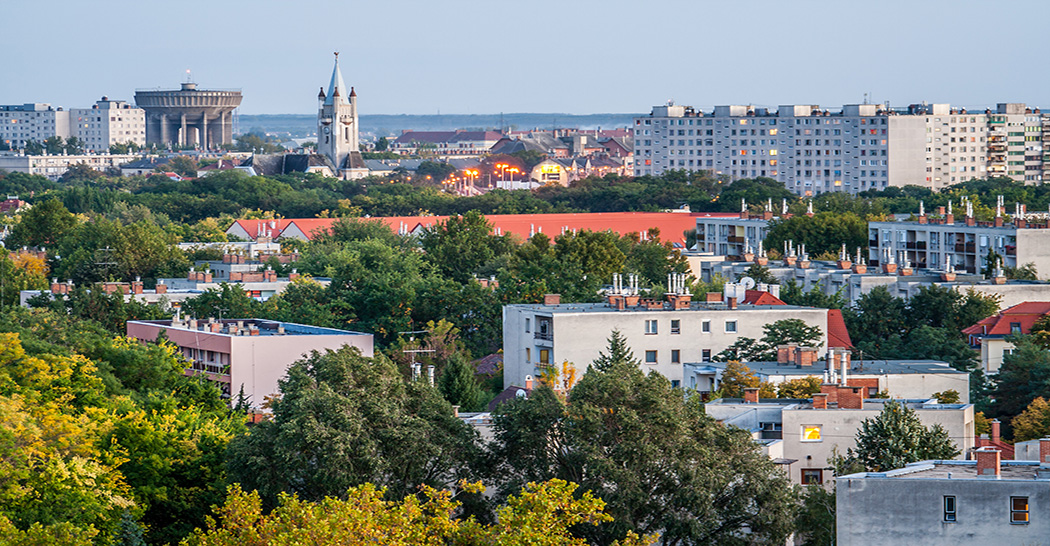
It may be lesser known than the Hungarian capital, Budapest, but Veszprém is a hidden gem with many cultural offerings. As the European Capital of Culture in 2023, the town radiates rich cultural energy, reflected in its aim to make culture sustainable, innovative and inclusive. Veszprém was awarded UNESCO City of Music in 2019, an award reflected in the numerous world-famous live music events such as VeszprémFest and the Auer Violin Festival. Take a train to the nearby Lake Balaton and you’ll find on its shores a memorial museum dedicated to József Attila, one of the most famous Hungarian poets of the 20th Century.