

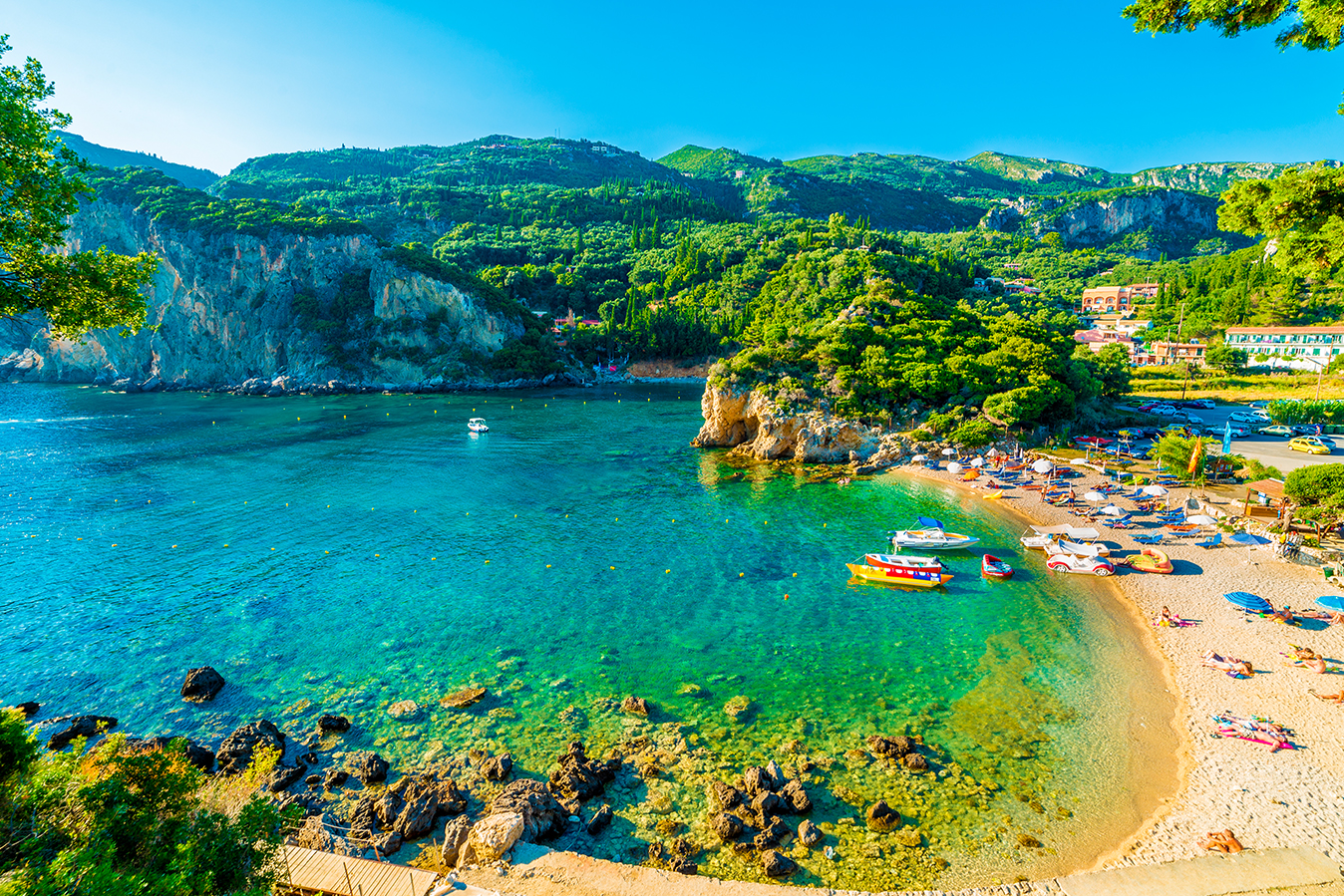
Perched in a privileged position on an island in the Ionian Sea, Corfu enjoys 300 days of sunshine a year and a rich food culture. Greece’s culinary traditions stretch back thousands of years and the Mediterranean diet, based around fruits, vegetables, whole grains and healthy fats, is considered one of the healthiest in the world. While in Corfu, buy fresh produce (seafood, vegetables, local products and herbs) from Corfu’s market near the Venetian Castle, try local dishes such as bourdeto (fish served with red peppers, onions, chilli and lemon) and taste locally produced products like honey, olive oil and kumquats. The last 2 have both been awarded a PDO (protected designation of origin) label.
As a port, Brindisi has long been an important stop for traders travelling through the Mediterranean, as well as further afield. Thanks to this, food in Brindisi contains a mouthwatering blend of influences. While there, try the PDO (protected designation of origin) Collina di Brindisi olive oil (thought to offer various health benefits) that comes from the region and fresh local vegetables in dishes like ciambotto (vegetable stew). Such is the value placed on food and cooking that Brindisi and the whole region are known for their food festivals, such as the swordfish festival and octopus festival.

Located in Emilia-Romagna, Bologna is the birthplace of many of Italy’s most iconic foods, including Parmigiano Reggiano cheese, Prosciutto di Parma ham, Aceto Balsamico di Modena vinegar, tagliatelle and tortellini. Emilia-Romagna was also home to Pellegrino Artusi, a writer whose book Science in the Kitchen and the Art of Eating Well (1891) is a key work in the world of Italian cooking. And as is fitting for a city so associated with good food, Bologna has great food markets where you can pick up fresh, local produce. Stroll around this picturesque, historical city to work up an appetite for lunch.

Nice is in a privileged position in the south of France, on the Mediterranean Sea. Thanks to this, visitors have access to a wide range of foods that make up the Mediterranean Diet (on the UNESCO Intangible Cultural Heritage register), including the eponymous salad Niçoise – a healthy mix of salad leaves, tomatoes, olives, hard boiled eggs, tuna and anchovies and ratatouille, a summer vegetable stew. The oil made from olives from Nice and the olives themselves both have a PDO (protected designation of origin) and olive oil is a key part of the famous Mediterranean diet. There are lots of markets in Nice selling fresh vegetables, fruit and local products, making it easy for you to pick up local ingredients and cook for yourself. Or enjoy street food with a healthy twist by snacking on socca, a crusty chickpea pancake.

Thanks to Tarragona’s position by the sea, you can enjoy seafood from Catalonia's largest traditional fishing port. A good area to eat is in el Serrallo, the picturesque fisherman’s district. While in Tarragona, make sure to try Catalonian delicacies like escalivada, a salad of roasted aubergines, peppers, onions, potatoes and artichokes or calçots (a type of long spring onion) with romesco sauce. Try some of the local olive oil, Siurana, a PDO (protected designation of origin) oil made exclusively in the province of Tarragona. After a leisurely lunch, enjoy taking part in sobremesa. Literally, it means ‘over the table’ and it refers to the time spent chatting and hanging out after a meal is over. It’ll help you understand how the country’s strong social bonds contribute to its long life expectancy. If you’re in Tarragona in May, you can visit the Tàrraco a Taula food festival and try dishes made according to ancient Roman recipes.

Sardinia is recognised as one of the world’s ‘Blue Zones’ (an area that is known as a hot spot for longevity) thanks to locals’ habit of frequent walks, their diet and prioritising family. Enjoy a taste of how they live when you visit Sassari and try Sardinian food like pane crasau (flat crunchy bread), pompia (a local citrus fruit) or pecorino, the Sardinian sheep cheese with PDO (protected designation of origin) recognition. While there, take a moment to explore the Nuragic culture, a mysterious population that inhabited Sardinia 3 000 years ago.
