
Romania’s gastronomy has a variety of cultural influences - they’ve adapted recipes and styles from the Romans, Türkiye, Greece, Austria and Bulgaria, making it a great place to try new dishes. When you’re in Timișoara, make sure to visit a market where you can try fresh produce from the Romanian countryside. The city offers plenty of tasty dishes and local specialities like salată de vinete, a roasted aubergine salad, or zacuscă, aubergine and red pepper dip. Thanks to its long history of innovation (Timișoara is known as the ‘city of firsts’) and culture, Timișoara was named European Capital of Culture 2023, sparking a new cultural legacy.

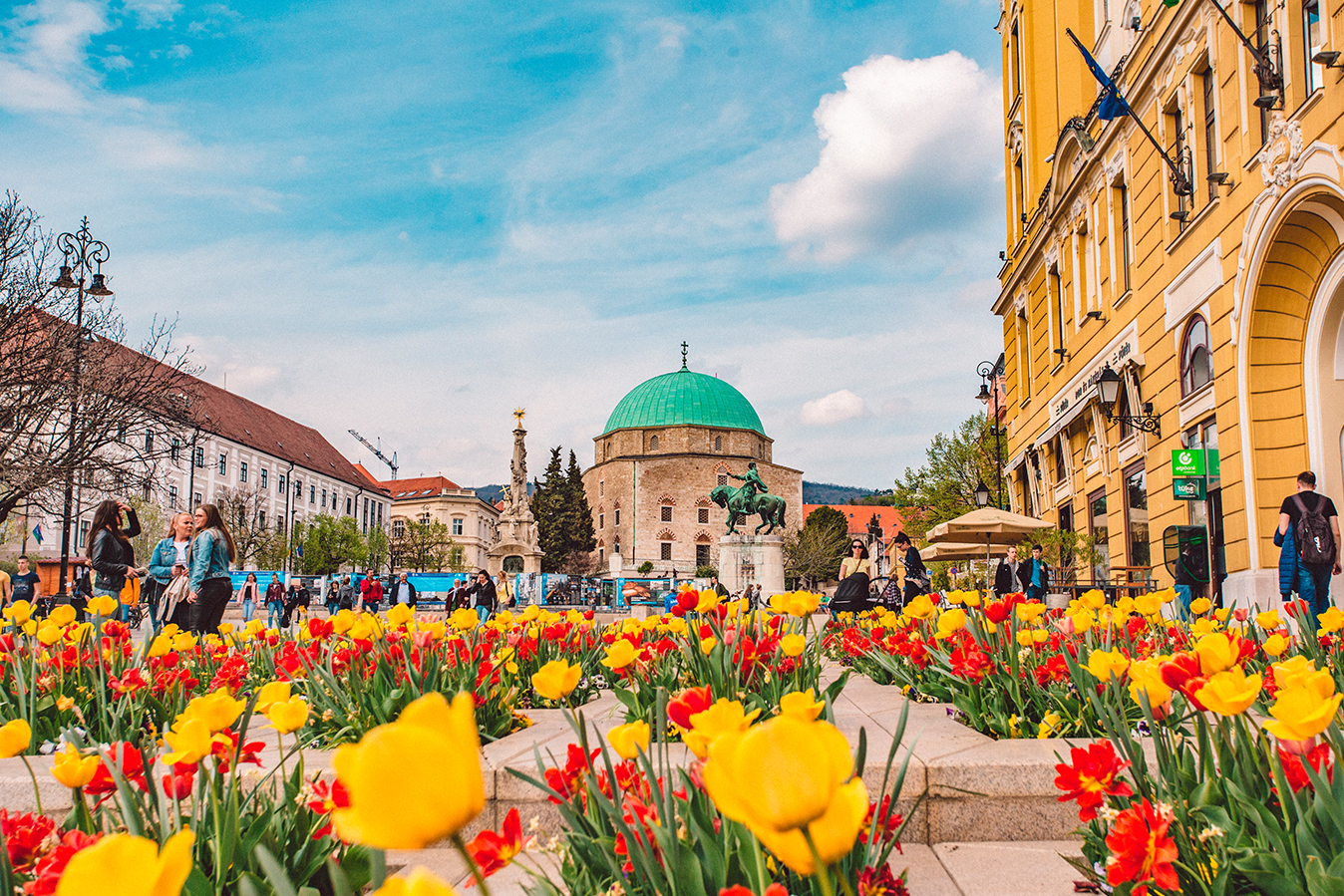
Being awarded European Capital of Culture in 2010 was the impetus for renovating the Zsolnay Cultural Quarter, transforming previously disused factory buildings into a new cultural hub. While in Pécs, take the opportunity to try traditional Hungarian dishes like halászlé (a famous hot and spicy fish soup with hot paprika) or a summer soup like spenótfozelék (spinach soup) or maybe tökfozelék (pumpkin soup). You can also visit the market and enjoy fresh fruit and vegetables. After a tasty lunch, stroll down pedestrianised Király Street and stop in at one of the many cafes that line the street or simply admire the Neoclassical facades and historical houses.
Thanks to Greek, Bulgarian, Turkish and Hungarian influences, Serbian food is wonderfully varied, making Serbia the perfect place to expand your culinary horizons. Visit green markets to buy fresh fruit, vegetables and homemade products. Riblja Pijaca (fish market) and Futoška Market are good ones to explore. Novi Sad is a fantastic place to explore on foot and build up an appetite. Why not take a walk down partly pedestrianised Dunavska (Danube) Street and admire the grand townhouses built in the middle of the 19th century, after Novi Sad was damaged during the 1848 revolution? More recently, Novi Sad was also European Capital of Culture in 2022, leaving a legacy of interesting places to explore.

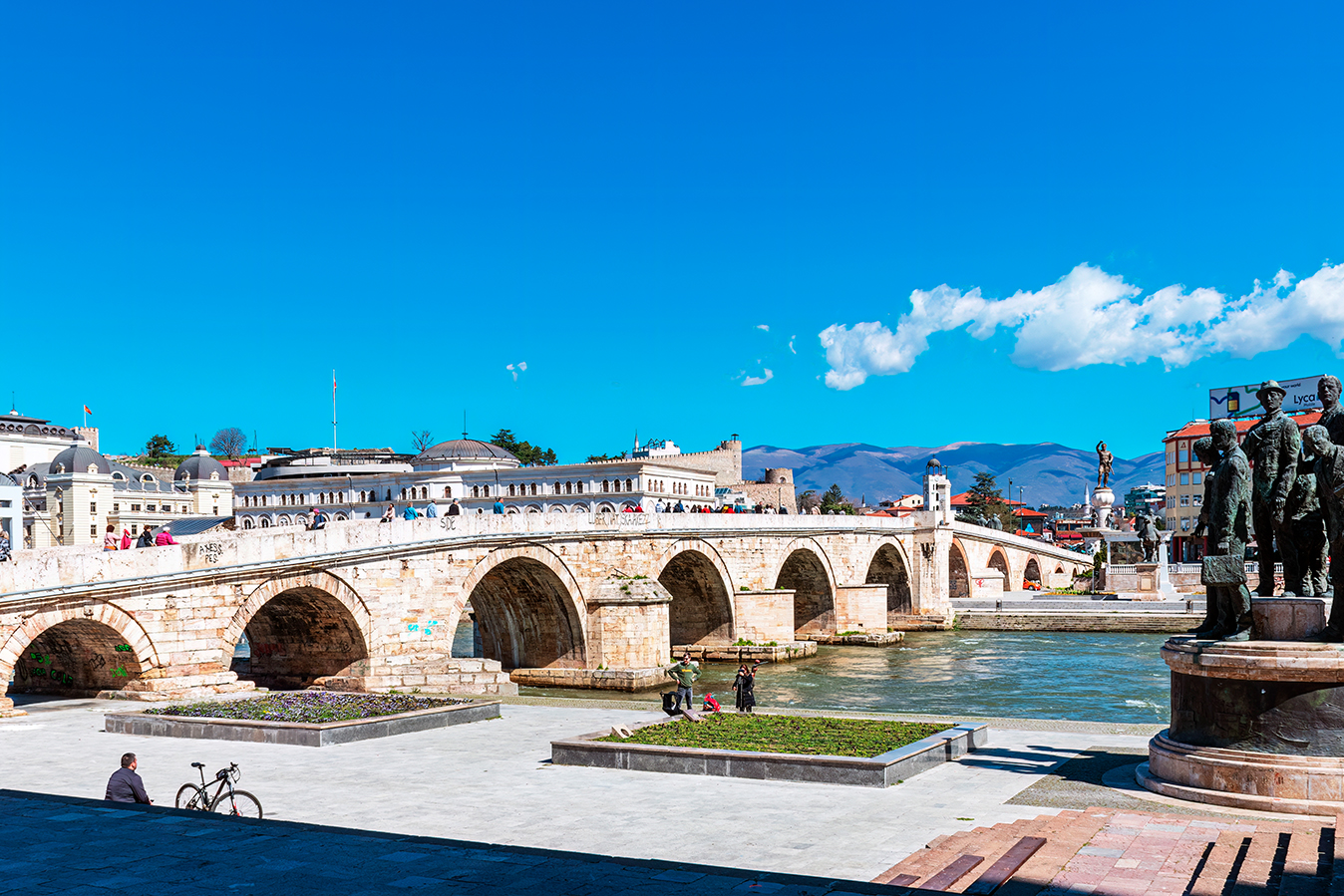
Skopje has a unique charm and a rich history. It’s also a great place to try the national dish of North Macedonia, tavče gravče - beans stewed with onions and seasonings. Debar Maalo, a lovely tree-lined neighbourhood, has a wonderful eating and drinking scene and is a great place to try local specialities. Or you can enjoy a taste of history in the 12th century Old Bazaar in Skopje or with a visit to the 6th-century AD Byzantine (and later, Ottoman) Tvrdina Kale Fortress. Čaršija, Skopje's hillside Ottoman old town with its winding lanes and historic structures, is also well worth a visit.
Plovdiv is located between the Balkan, Sredna Gora and Rhodope mountains, in the middle of the Valley of Tracians. It’s surrounded by natural beauty – gorges, hills, forests, waterfalls – and a day trip to connect with nature is highly recommended. Within the city, there are lots of interesting sites to visit, such as the ancient Roman Theatre (still used to this day) and the Sveta Bogoroditsa church, built in 1884 on the site of a 9th-century shrine. Plovdiv was also European Capital of Culture 2019. Or you can visit one of Plovdiv’s markets to buy local vegetables, often sold by the growers themselves and to try boza (also called bosa), a lightly fermented drink made from maize, wheat or rice flours and purported to have health-giving properties. Fermented vegetables, which recent studies have shown contribute to good gut bacteria, are an important part of Bulgarian cuisine.

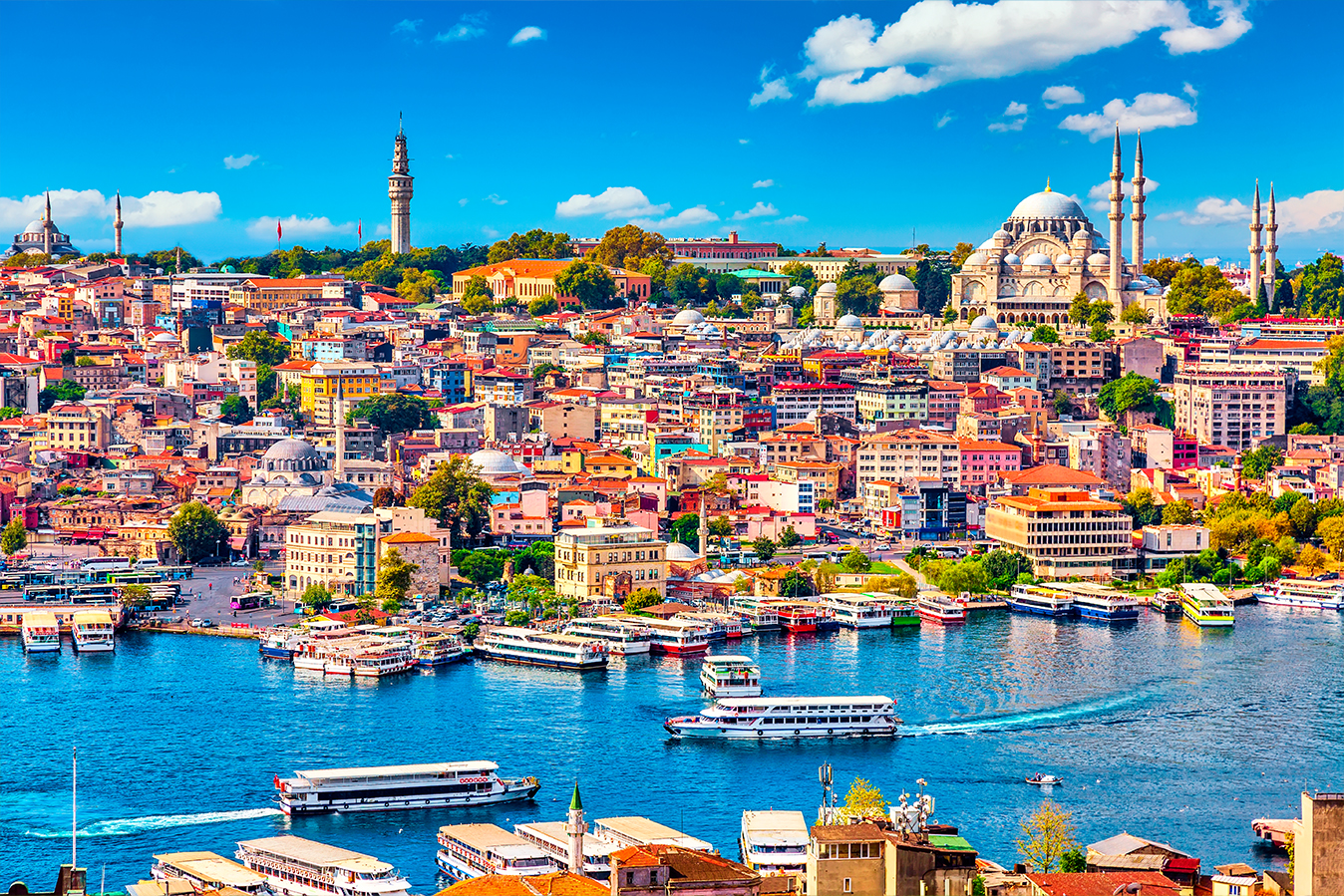
A meeting place between Europe and Asia, a buzzing, exciting, incomparable city – welcome to Istanbul. This vibrant metropolis is a great place to explore a mix of food cultures. Thanks to Türkiye’s variety of climates, plus access to the sea, and Istanbul’s history as an important trade route, there is an amazing variety of fresh ingredients, spices and herbs. Istanbul is blessed with amazing food markets, from weekly open-air markets where fresh produce from the nearby countryside is sold to permanent markets selling fresh fish, spices and organic products. The Egyptian Bazaar has been around since 1660 so a visit is a culinary and a historical experience. Don’t miss trying a freshly squeezed pomegranate juice, sold seasonally on carts throughout the city in September and October.
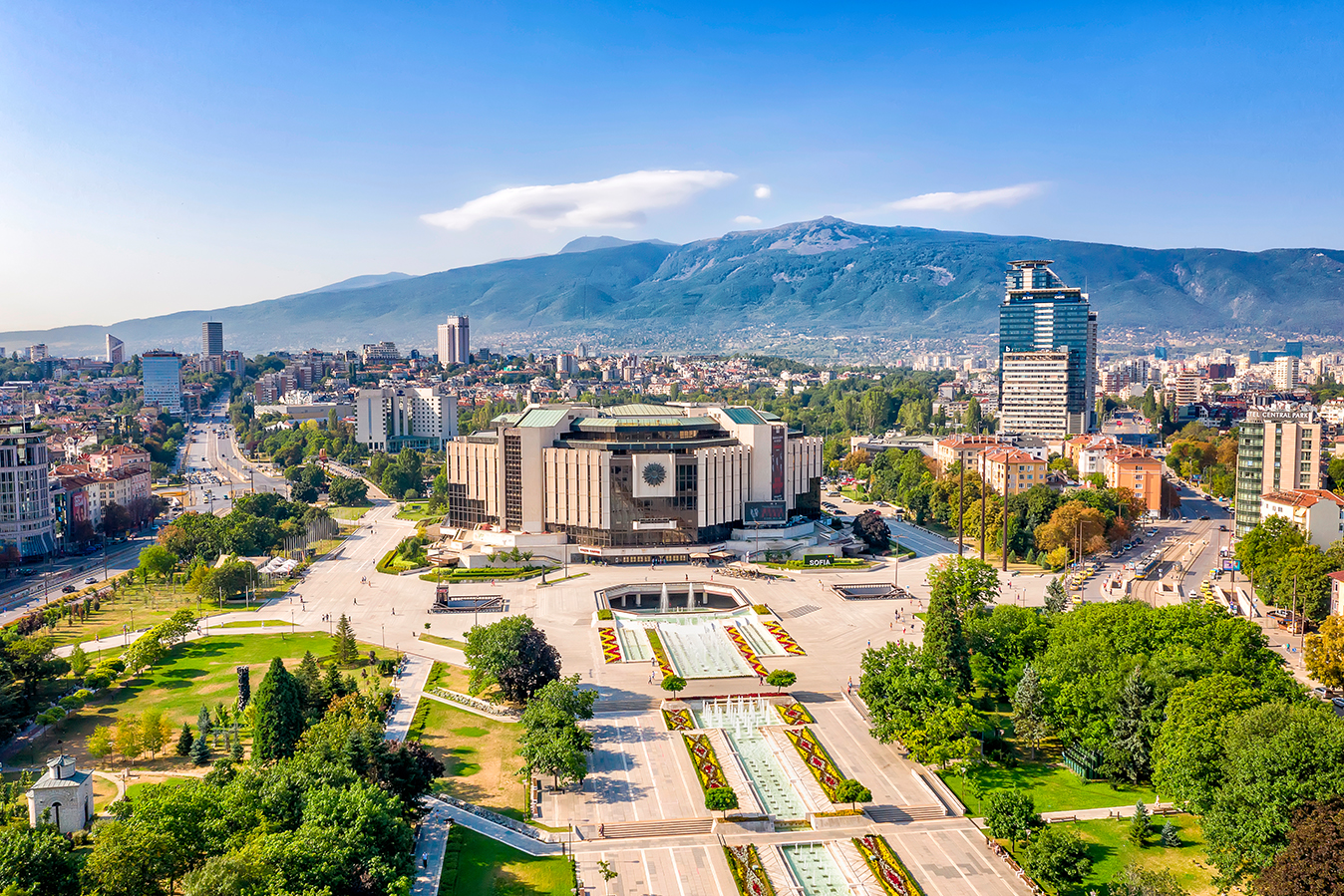
Sofia is a lively city with a vibrant youth scene and food culture. While visiting, try shopska salata, a simple salad of cucumbers, tomatoes, spring onions, peppers and salted cheese or tarator, a cucumber and yoghurt soup, served cold or kiselo mlyako, a type of Bulgarian yoghurt known for its tangy taste and thick texture and thought to have numerous health benefits. Visit Central Sofia Market Hall, one of the oldest market buildings still in use or the recently renovated Women’s Market to pick up some fresh veggies and prepare the dishes yourself. Sofia is currently undergoing a green renaissance; it’s overcome its industrialised past and in 2022, it was a finalist for the European Green Capital Awards.